Maternity and Nursing Bras: Essential Support Through Pregnancy and Beyond
During pregnancy, your breasts undergo dramatic changes-expanding up to 40% in size, per the American Pregnancy Association-demanding specialized support beyond everyday bras.
Discover why maternity and nursing bras are essential, their key differences, must-have features like adjustable straps and nursing clips, sizing secrets, top brands, and care tips to ensure lasting comfort.
Unlock the perfect fit for every stage-what’s your next upgrade?

- Premium Fabric : Made from 90% nylon and 10% spandex, this maternity bra offers a soft, stretchy feel that adapts to your body’s changes, providing comfort and durability for everyday…
- Low-Impact Support for Active Moms: Designed for low-impact activities like jogging, Pilates, and yoga, our nursing sports bra offers gentle support with its wide shoulder straps and…
- Effortless Nursing on the Go: With a convenient one-hand clasp, these nursing bras for breastfeeding allow for easy and quick access, making them ideal for breastfeeding bra moments…
Last update on 2026-10-09 / Affiliate links / Images from Amazon Product Advertising API
Why You Need Maternity and Nursing Bras
During pregnancy, research suggests most women experience breast size increases, making standard bras painful and ineffective.
This shift underscores the need for maternity bras featuring stretchy fabrics and adjustable straps. Switching early ensures comfort throughout pregnancy.
Key physical changes include breast tissue growth, with cup sizes often increasing as hormones surge. Post-delivery, engorgement increases milk volume, while the milk ducts expand to support lactation.
These alterations make supportive bras essential to prevent discomfort and sagging.
Real-world experiences show that women typically go through several bras during pregnancy, consistent with findings from brands like Bravado. Investing in nursing bras with nursing clips and leak-proof features pays off.
It protects clothing from leaks and supports long-term breastfeeding comfort.
A modest investment in quality pregnancy bras helps you avoid having to replace damaged wardrobe items.
Opt for wireless or soft cup designs for daily wear. This approach provides reliable breast support from trimester one through postpartum.
Changes During Pregnancy
Research suggests hormonal surges cause breasts to grow significantly by mid-pregnancy, with ligaments stretching to accommodate changes.
Track size weekly using a soft measuring tape for accurate maternity bra sizing. This helps select comfortable bras with non-binding bands.
Breasts become more sensitive, so choose cotton bras over lace for gentle contact. Wider straps address visible veins and reduce shoulder strain.
Pair with full coverage bras for all-day pregnancy comfort.
Colostrum leakage often begins around week 16, requiring leak-proof bras or nursing pads. Moisture-wicking fabrics keep skin dry during tender breast phases.
Incorporate adjustable straps for evolving shapes.

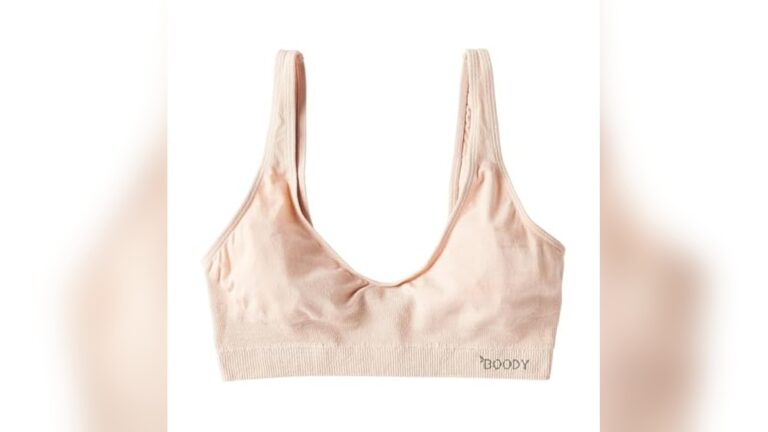
- Seamless Stretch Comfort: High-elasticity seamless fabric flexes with changing cup size and underbust; wide sides and flexible underband provide gentle, secure support in nursing bras…
- Fixed Molded Cups Hold Shape: Sewn-in molded pads stay put after wash, help catch minor leaks, and reduce show-through—keeping you confident between feeds. Includes a laundry bag for…
- Breathable U.S. Cotton Fabric: Premium U.S. cotton is naturally breathable and absorbent—helping release heat and moisture—yet stays soft and low-irritation on sensitive skin for…
Last update on 2026-10-09 / Affiliate links / Images from Amazon Product Advertising API
| Week | Typical Change | Action |
|---|---|---|
| 1-12 | Initial tenderness | Switch to soft cotton bras |
| 13-20 | Cup size increase | Measure band and cup weekly |
| 21-40 | Leakage and engorgement | Add nursing pads and clips |
| Postpartum | Peak volume | Fit postpartum bras with support |
Key Differences: Maternity vs. Nursing Bras
Maternity bras prioritize stretch and comfort for pregnancy growth, while nursing bras add one-handed clip access for breastfeeding convenience.
These pregnancy bras support changing breast sizes during each stage. Understanding their differences helps you choose the right supportive bras.
Maternity bras feature stretchy fabrics and wide bands to accommodate breast expansion during trimesters one through three. They offer pregnancy comfort with adjustable straps and non-binding bands.
Expect prices around $25 to $45 for comfortable bras, such as cotton or seamless options.
Nursing bras, or breastfeeding bras, feature clips or drop cups for easy access during feeding. They include leak-proof layers and moisture-wicking fabrics for lactation support.
These postpartum bras cost about $30 to $60 and provide nursing comfort with side support panels.
Many mothers use maternity bras early in pregnancy, then switch to nursing bras post-delivery. Hybrid options like the Bravado Body Silk work for both stages with versatile nursing clips.
This approach ensures breast support through breast changes like tender breasts and engorgement.
| Feature | Maternity Bras | Nursing Bras |
|---|---|---|
| Purpose | Growing breasts during pregnancy | Feeding access and postpartum use |
| Key Design | Stretch fabrics, wide bands | Clips/drop cups, leak-proof |
| Price Range | $25-45 | $30-60 |
| Best For | Trimesters 1-3, daily wear | Breastfeeding, pumping |
| Examples | Wireless bras, full coverage | Hands-free pumping bras, sleep bras |
Hybrid bras combine features for seamless transitions. Brands like Bravado offer maternity lingerie that adapts to nursing needs.
Always check bra sizing for maternity bra sizes or nursing bra sizes during fittings.
Essential Features to Look For
Prioritize maternity bras with 4+ adjustment points and seamless construction to accommodate breast volume changes during pregnancy.
These features ensure comfortable bras adapt as your body shifts. Experts recommend focusing on supportive designs for daily wear.
The top six must-have features, ranked by importance, include a 4-hook adjustable band first for a secure fit.
Next come wide non-slip straps at least 1.5 inches wide to prevent digging.
These ranked essentials provide reliable breast support throughout pregnancy and nursing.
- 4-hook adjustable band for customizable band fit.
- Wide non-slip straps (1.5″ minimum) to distribute weight evenly.
- Side support panels to prevent spillover and enhance shape.
- Breathable mesh panels for all-day ventilation.
- Tag-free seamless design to reduce irritation on tender skin.
- Racerback convertible straps for versatile layering under clothing.
Moms often seek pregnancy bras with these traits to ensure a seamless transition to postpartum bras. Pair them with bra extenders if needed for extra room.
This combination supports lactation comfort from pregnancy through breastfeeding.

- Jelly Strips Support: Experience natural uplift with our “Jelly Strip” technology in nursing bras. Gently supports breastfeeding, ensuring a 360° round lift without compromising breast…
- Weightless Elegance: Crafted from 55% Nylon and 45% Spandex, our seamless nursing bra offers a second skin feel. Free from harmful substances, it’s the ideal maternity bra for changing…
- Effortless Breastfeeding: With one-handed clasps and adjustable straps, our maternity bra makes feeding convenient and fast, easy to open and close, no more hassle for you to feed so…
Last update on 2026-10-09 / Affiliate links / Images from Amazon Product Advertising API
Adjustable Straps and Bands
_2.jpeg)
Look for nursing bras with 4 rows of hooks and 3-4 strap adjustments to handle band expansions. These allow adjustable straps to shift with cup-size increases common during pregnancy.
Choose multi-hook bands for long-term flexibility.
Three key adjustment types stand out.
First, multi-hook bands with 4×3 rows offer progressive tightening as needed.
Second, sliding strap adjusters provide full range motion for shoulder relief.
- Multi-hook bands (4×3 recommended) for band security.
- Sliding strap adjusters with a full range for custom height.
- J-hook racerback converters to transform into a racerback style.
Add a bra extender now if your band feels tight, especially for maternity bra sizes. Brands like Bravado Designs feature a 5-hook system that shows clear before-and-after fit improvements.
This supports breast changes during pregnancy without the need for constant replacements.
Nursing Clips and Access
Choose breastfeeding bras with one-handed drop-down clips that open in under 2 seconds for discreet feeding.
These enable easy access to nursing anytime, anywhere. Prioritize clips compatible with hands-free pumping.
Four common clip types offer varied benefits. Plastic C-hooks from Medela prove durable for frequent use. Metal sliders by Anita glide smoothly without snags.
| Clip Type | Example Brand | Key Benefit |
|---|---|---|
| Plastic C-hooks | Medela | Durable for daily wear |
| Metal sliders | Anita | Smooth, snag-free action |
| Magnetic closures | Cake | Fastest one-handed release |
| Cross-over flaps | Hotmilk | Modest coverage during nursing |
Test for nursing bra pump compatibility by simulating let-down with cups down. Practice a 30-second feeding routine to ensure speed. These nursing clips enhance postpartum comfort in wireless or underwire styles.
Types of Pregnancy Bras
Wireless soft-cup bras dominate pregnancy wear, offering all-day comfort as breast sizes change. These comfortable bras suit early pregnancy when tenderness begins.
Experts recommend them as a staple in any nursing bra guide.
In the first and second trimesters, opt for wireless lounge bras with light support. They provide a gentle hold without constriction.
Pair them with maternity tops for everyday ease.
During the third trimester, switch to soft cup support bras for a firmer lift. These handle growing volume and offer breast support as you prepare for nursing. Look for adjustable straps to accommodate shifts.
For active moms, sports nursing bras deliver medium support during exercise. Sleep bras ensure comfort during pregnancy, while postpartum compression bras aid recovery.
Price ranges typically fall between $20-50, with support from light to firm.
- Wireless lounge: Trimesters 1-2, light support, $20-40.
- Soft cup support: Trimester 3, medium support, $25-45.
- Sports nursing: Active use, firm support, $30-50.
- Sleep bras: Nighttime, light support, $20-35.
- Postpartum compression: Recovery, firm support, $25-50.
Wireless and Soft Cup
Wireless bras eliminate underwire pressure on tender breasts during pregnancy. They prioritize comfort during pregnancy and adapt to size fluctuations.
Many pregnant women favor them for daily wear.
Explore four key wireless subtypes to match your needs.
Each offers unique features, such as seamless bras or cotton builds. They work well under maternity clothing.
| Type | Price Range | Support Level | Example Brand |
|---|---|---|---|
| Molded seamless | $30-45 | *** (medium) | Bravado |
| Cotton bandeau | $20-30 | ** (light) | Motherhood |
| Bralette style | $25-40 | ** (light-medium) | Hotmilk |
| Postpartum wireless | $35-50 | **** (firm) | Medela |
Molded seamless options provide smooth lines for layering compatibility with nursing tops. Cotton bandeau styles offer breathable cotton bras for hot days.
Bralettes add a touch of maternity lingerie, while postpartum versions include nursing clips for easy access nursing.
Check the support rating (1-5 stars) to gauge fit. Wide shoulder straps and non-binding bands enhance comfort.
Rotate bra styles during nursing to maintain shape.

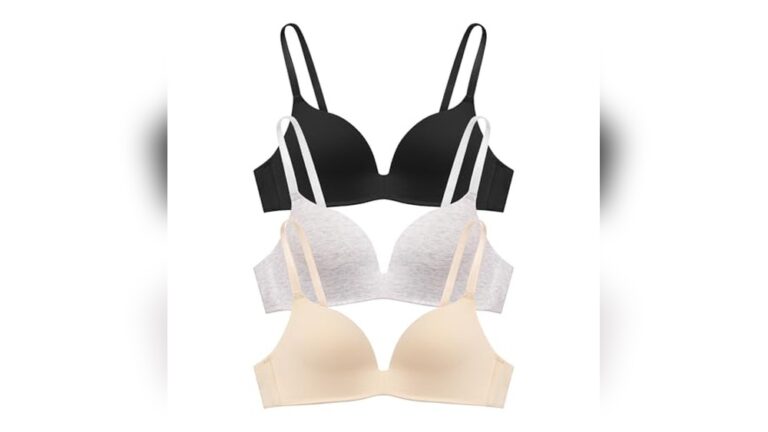
- Ultra Comfort & Soft Material: HBselect nursing bras are made of 92% nylon and 8% elastane, ensuring softness, comfort, and support without feeling constricting. The high-elasticity…
- Easy to Breastfeed with One Hand: HBselect seamless nursing bras feature one-handed clip-down cups that offer quick access for both nursing and skin-to-skin contact because every second…
- Adjustable Straps & V-Neck Design: Our maternity bras are designed with a stylish V-Neck, which is more breathable than others, ensuring that you can wear them with various styles of…
Last update on 2026-10-08 / Affiliate links / Images from Amazon Product Advertising API
Fabrics and Materials Guide
_3.jpeg)
Choose cotton-modal blends with 4-way stretch and moisture-wicking properties to manage 24/7 leakage and sensitivity.
These fabrics suit maternity bras and nursing bras by keeping skin dry during pregnancy and breastfeeding. They offer comfort for tender breasts and engorgement.
Breathable fabrics like cotton prevent irritation in pregnancy bras. Pair them with stretchy options for adjustable straps and easy nursing access.
Experts recommend them for sensitive skin during the postpartum period.
Consider leak-proof bras with microfiber linings for overnight use in sleep nursing bras. Rotate fabrics to maintain nursing comfort and support.
This approach extends the life of your breastfeeding bras.
The table below compares key fabrics for maternity bras. Use it to select based on dermatologist recommendations and sensitivity needs for pregnancy comfort.
| Fabric | Key Benefits | Approx. Price | Care Rating | Sensitivity Ranking |
|---|---|---|---|---|
| Cotton | Breathable | $25 | Easy wash, air dry | Low sensitivity |
| Modal | Silky | $35 | Machine wash gentle | Low sensitivity |
| Bamboo | Antibacterial | $40 | Hand wash preferred | Very low sensitivity |
| Nylon-Spandex | Stretchy | $30 | Machine wash cold | Medium sensitivity |
| Microfiber | Leak-proof | $45 | Delicate cycle | Medium sensitivity |
| Lace | Decorative only | $25 | Hand wash only | High sensitivity |
Sizing: How to Measure Correctly
Measure weekly during pregnancy. Your band size often increases by 2 to 4 inches, and cup size by 1 to 3 sizes as breasts grow.
A proper fit in maternity bras and nursing bras helps prevent breast pain from rapid changes.
Start with the band measurement. Wrap a soft tape measure snugly under your bust, keeping it level.
Multiply that number by 5 for many pregnancy bra brands, or add 4-5 inches for even sizing.
Next, take the cup measurement at the fullest part over your bust.
Subtract the band from this number: a 1-inch difference is A cup, 2 inches B cup, and so on up to DD or beyond for breastfeeding bras.
- Stand straight in front of a mirror. Measure under the bust on bare skin for the band.
- Measure over the bust’s fullest point, wearing a thin bra if possible.
- Calculate sister sizes: 38D equals 40C or 36DD; adjust the band up or down by 2, and change the cups by the opposite amount.
Use sister sizing for postpartum bras when sizes shift. Brands vary, so check the charts below for accuracy in maternity bra sizes.
| Brand | Size Tendency |
|---|---|
| Bravado | Runs large in band and cups |
| Anita | True-to-size for most |
| Medela | Slightly small in cups |
| Motherhood | Generous cups, standard band |
Print a measuring guide: mark the tape at the under-bust and over-bust points. Retest weekly for nursing bra sizes as breasts prepare for lactation.
Common Sizing Mistakes
Many women wear the wrong size, and pregnancy makes it worse with fast breast growth each trimester. Focus on these fixes for comfortable bras and proper breast support.
- Too small band: It should sit flat without riding up. Fix by sizing up the band and sister sizing down the cup.
- Spilling cups: Breasts escape the top or sides. Choose full coverage bras with side support panels.
- Loose straps: They slip off the shoulders. Adjust wide shoulder straps or try racerback styles.
- Ignoring brand variance: Bravado runs large; Anita runs true to size. Always check brand charts before buying maternity bra brands.
- Pre-pregnancy sizing: Old bras won’t fit engorged breasts. Update for cup size increase and band size increase.
Take Sarah’s case: her 36C pre-pregnancy bra caused pain by week 20. After measuring 38DD in a Bravado wireless bra, comfort returned with no breast tenderness.
Seek professional bra fitting at maternity stores. Look for specialists in nursing bra fitting who handle plus-size maternity bras or petite options for the best pregnancy comfort.
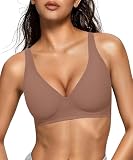
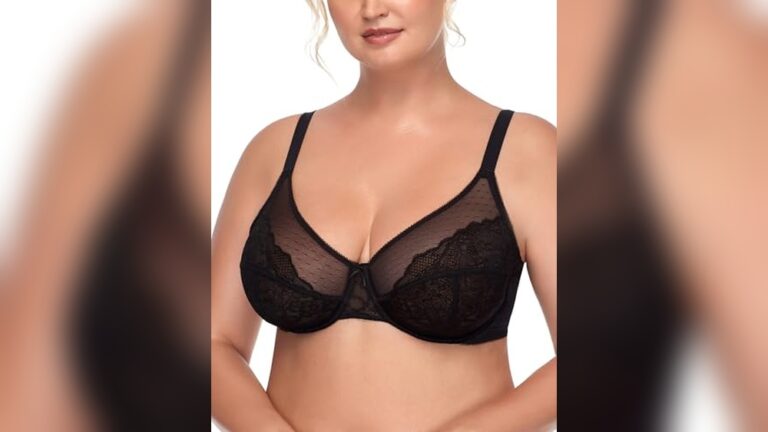
- Stylish Deep V Bras for Women – The OEAK Wireless bra adopts a cute plunge design, which gathers and lifts your breasts, setting off the breast line to make your breasts more upright…
- Full Support Bras – These no-wire bras feature a “W-shaped” and innovative 3D supportive technology formed by liquid jelly band, providing full support for your breasts and creating a…
- Ultra Soft and Comfortable Bras – These deep V bras with semi-fixed pads are made from high-quality fabric with a delicate texture, super breathable and gentle on the skin, providing a…
Last update on 2026-10-08 / Affiliate links / Images from Amazon Product Advertising API
Top Brands and Recommendations
Bravado Body Silk earns top ratings for seamless nursing access and 6-hook adjustability. This pregnancy bra offers full coverage with easy clips for breastfeeding.
It suits various stages, from maternity to the postpartum period.
Brands like Medela focus on pump compatibility, ideal for hands-free sessions.
Motherhood provides budget wireless options for beginners navigating breast changes. Each excels in specific areas, such as plus sizes or fashion-forward styles.
Choosing from these top nursing bras depends on your lifestyle and fit preferences. Look for adjustable straps and moisture-wicking fabrics for daily comfort.
Rotate a few styles to maintain support during engorgement or let-down.
A comparison table below highlights key features across six brands. Consider maternity bra sizes and nursing clips when making your selection.
Experts recommend trying wireless bras first for tender breasts in early pregnancy.
| Brand | Price | Key Feature | Best For | Rating |
|---|---|---|---|---|
| Bravado | $45 | Seamless nursing | Best overall | 4.8 |
| Medela | $35 | Pump-compatible | Hands-free | 4.7 |
| Motherhood | $28 | Budget wireless | Beginners | 4.5 |
| Anita | $55 | Medical-grade | Plus size | 4.9 |
| Cake | $48 | Luxury modal | Fashion | 4.6 |
Care and Maintenance Tips
_4.jpeg)
Hand washes in lingerie bags on the wool cycle (30 degrees C) to maintain elasticity for 3x longer than machine washing.
This gentle approach preserves the stretchiness of fabrics in maternity and nursing bras. It prevents damage to adjustable straps and nursing clips during pregnancy and breastfeeding.
Follow a simple washing routine for your pregnancy bras. Wash every 3rd wear while rotating 5-7 bras to allow proper drying. Use only wool or silk detergent to protect delicate materials like cotton and nylon.
Air dry flat and store unstretched to keep your supportive bras in top shape. Avoid hanging underwire bras or wireless bras by their straps, as this can distort the fit.
Proper storage extends the life of postpartum bras and breastfeeding essentials.
| Material | Expected Lifespan |
|---|---|
| Cotton bras | 6 months |
| Nylon bras | 3 months |
For restoration, try a freshener spray between washes. This keeps moisture-wicking bras and leak-proof bras fresh without full cleaning. It works well for sleep nursing bras and sports nursing bras used daily.
Washing Routine for Nursing Bras
Rotate your nursing bra collection by washing 5-7 pieces every third wear. This practice supports bra rotation nursing and prevents wear on nursing bra features, such as easy-access nursing clips.
It ensures that lactation support remains reliable throughout the engorgement phases.
Always use wool/silk detergent in a lingerie bag on the wool cycle at 30 degreesC. Harsh soaps degrade the hook-and-eye closure and side support panels in full-coverage bras.
This method suits seamless bras and molded cups perfectly.
Experts recommend hand washing over machine cycles for nursing comfort. It preserves non-binding bands and wide shoulder straps in plus-size maternity bras.
Pair this with nursing pads to effectively manage let-down reflex stains.
Drying and Storage Best Practices
Air-dry your pregnancy bras flat on a towel, away from direct heat. This keeps breathable fabrics like organic cotton bras and bamboo fabric bras intact.
Avoid dryers, which shrink stretchy fabrics in maternity lingerie.
Store bras unstretched by nesting cups inside each other. Keep them in a cool, dry drawer to maintain the fit of maternity and nursing bra sizes.
This tip applies to racerback bras and soft cup bras alike.
For long-term care, use bra extenders if the band size increases during breast changes or pregnancy.
Proper storage prevents distortion in underwire bras and postpartum bras. It supports ongoing breast support through maternity wear rotation.
- Jelly Strips Support: Experience natural uplift with our “Jelly Strip” technology in nursing bras. Gently supports breastfeeding, ensuring a 360° round lift without compromising breast…
- Weightless Elegance: Crafted from 55% Nylon and 45% Spandex, our seamless nursing bra offers a second skin feel. Free from harmful substances, it’s the ideal maternity bra for changing…
- Effortless Breastfeeding: With one-handed clasps and adjustable straps, our maternity bra makes feeding convenient and fast, easy to open and close, no more hassle for you to feed so…
Last update on 2026-10-09 / Affiliate links / Images from Amazon Product Advertising API
When to Upgrade Your Bras
Replace bras every 3-6 months or when the band stretches 1 inch. This change affects support capacity. It helps maintain breast support during pregnancy.
Pregnant bodies shift quickly, so maternity bras and nursing bras wear out faster. Check fit weekly as breasts change.
Upgrading ensures comfort during pregnancy and nursing.
Follow a trimester upgrade schedule for best results. Buy in the first trimester, refresh mid-second trimester, and update late third trimester or postpartum.
This matches bra size changes, such as increases in band and cup sizes.
Use a budget rotation system. Get 5 bras per stage at around $30 each. Rotate them daily to extend wear and support bra rotation nursing.
6 Key Signs It’s Time to Upgrade
- Band rides up 2+ inches: The underband lifts during movement, signaling lost elasticity in non-binding bands.
- Straps slip constantly: Adjustable straps or wide shoulder straps don’t stay in place, causing discomfort.
- Cup gap or wrinkle: Fabric doesn’t fill out, common with full coverage bras, as breasts grow.
- Hooks catch skin: Hook-and-eye closures can be irritating, indicating wear on postpartum bras.
- Fabric pills: A rough texture on seamless or cotton bras indicates breakdown.
- Support feels insufficient: Breasts spill or ache, a red flag for supportive bras during engorged breasts.
Spot these signs early with a bra fit guide. Test by jumping or raising arms. Upgrade to pregnancy bras with side support panels for better hold.
Experts recommend checking maternity bra sizes and nursing bra sizes monthly. Pair with bra extenders temporarily.
This prevents issues like tender breasts or poor lactation support.