How to Open & Close a Front-Close Bra in Simple Steps
Key Takeaways
- Know your four front-close mechanisms and what they provide. Slide, barrel, magnetic, and hook-and-eye front-close bra closures each strike a different balance between speed, security, and adjustability.
- Select a closure type that works with your lifestyle and your level of mobility. Magnetic and slide clasps make them easy to fasten, while barrel and hook-and-eye styles provide security and allow you to customize the fit.
- Use an easy, foolproof method for opening or closing a front-close bra. Put cups and straps first. Clasp carefully, secure firmly, and adjust for comfort and a smooth appearance under clothes.
- Avoid clasp catastrophes with proper sizing and some TLC. Make sure it is aligned and you are not pulling the entire fabric too tightly. Check stitching and replace hooks or bras if they are worn.
- Benefit from the fit superiority of front-close bras. Anticipate a streamlined back and a convenient front closure that requires no reaching. Enjoy reliable support that suits both formfitted tops and racerback styles.
- Extend bra life with thoughtful care. Hand wash or use a gentle cycle. Close hooks before washing. Hang to dry. Wipe clasps. Store flat or hung to preserve shape and function.
How to open and close a front-close bra involves aligning and securing the center clasp at the front, then releasing it with a gentle squeeze or slide depending on the mechanism. Most front-closures utilize a hook-and-eye or snap-style clasp made to be easily fastened without needing to reach behind yourself.
For comfort and longevity, check fit at the band and cups before closing, and use both hands to lead the clasp. Below we dissect the methods, fit recommendations, and how to troubleshoot.
Understanding Front-Close Mechanisms
Front-close bras feature center-front hardware that clasps the cups together, pulling the breasts closer for a lifted, centered appearance and a smooth front under fitted and racerback tops. They’re functional for limited mobility and recovery surgery situations because the closure lies right where hands come together.
They’re available in front-close, back-close and sleek racerback styles. There’s a rhythm to these and it takes practice to learn the motions. Different mechanisms open differently, and once you know yours, fastening and release feel second nature.
- Benefits over back closures:
- More efficient access for stiff shoulders, arthritis, or post-op care.
- Smoother back silhouette, less bulge under light knits.
- Centered molding that can boost cleavage and lift.
- Quicker on/off when you are getting dressed in cramped quarters or racing against the clock.
The Slide Clasp
| Feature | Advantage | Best For |
|---|---|---|
| Flat, interlocking slide | Quick on/off | Everyday wear, travel |
| Low-profile housing | Smooth under thin tops | T-shirts, blouses |
| Works with stretch fabrics | Gentle, natural feel | Thin foam cups, wire-free bras |
Slide clasps fit anyone who appreciates a quick, one-handed closing action. The mechanism works well with the bands and thin foam cups, so it feels lightweight and natural.
Check alignment every time: bring both sides together, slide fully until you feel resistance, then press once to confirm lock. Misalignment can lead to uneven support by the end of the day.
If it feels tricky opening at first, twist the clasp a bit outward, then slide one side down and out like a bikini clasp.
The Barrel Clasp
The barrel clasp inserts a peg into a cylindrical barrel insert, then twists to lock. That twist keeps the closure from slipping when you move.
You’ll find it frequently in racer back and workout bras because it keeps everything in place through jumping, rowing or yoga flows. It generates a smooth, flat front under clingy tops, with as little hardware show-through as possible.
Go for it if you prefer robust security with minimal bloat. If the clasp resists on release, a small upward pull can liberate a tucked end, saving you from yanking and preserving the stitching.
The Magnetic Clasp
Magnets click shut, aligning themselves even when your hands are fatigued. This is an intelligent choice if you have issues with dexterity or you are recovering from breast surgeries and require soft, front-access support.
Make sure that both magnets are fully sealed. Run a fingertip along the seal to sense a smooth connection. If they don’t, unstick them and let them locate each other once again. The outcome is easy to close and contemporary simplicity.
The Hook-and-Eye Clasp
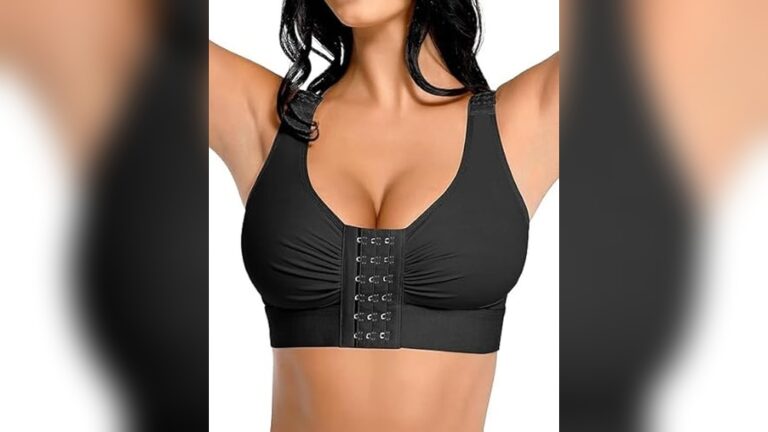
That’s the old system relocated to the front. Several columns and rows allow you to adjust snugness as the band stretches out.
Begin on the loosest comfy column post surgery or on tender days. Push in for a tighter grip later. Hook up every hook for even lift and less gore strain.
To wear, center both sides and hook bottom to top. If a zipper style doesn’t let go right away, a gentle tug or lifting up one side will dislodge the end.
How to Operate a Front-Close Bra

Front-close bras are made for ease and accuracy. They come in particularly handy post-surgery, while recuperating, or when back fastening proves to be challenging. The center-front closure pulls breasts inward for a lifted, centered appearance. Here’s the secret to operating a front-close bra for solid support and comfort.
Position each cup over your breasts so the edges lay flat and your nipples face forward, not downward or to the side. Go for coverage that suits your style—unlined for a natural shape and molded for smoothing. Some find it easier to do while sitting or lying down.
Position the band so it lies level and firm underneath your bust. It shouldn’t ride up in back. Straps are untwisted and sit comfortably on the shoulders without digging.
Slip your fingers under, then pull breast tissue forward and into each cup. Scoop from the side and underneath. This is crucial for shaping, particularly if you’re dealing with volume loss or asymmetry.
- Align the Clasp
Grip both sides of the closure at your sternum. Bring the two halves together at equal height for balanced support.
Match the hardware style: slide-and-lock, barrel, magnetic, or hook-and-eye. Depending on the design, it can be easy or tricky to operate, so pay attention to how your particular clasp clicks.
Make sure fabric does not cover. Make sure lace, padding, or straps aren’t caught. If your bra has an adjustable back closure, check that you have the back band set correctly before fastening the front.
- Secure the Fastener
Press or hook the closure until you encounter resistance or hear a click. Nothing is worse than having your bra slip mid-day. A nice solid, clean connection avoids this.
Pull lightly to test. Smooth the band around your torso, then adjust straps so both sides lift evenly. It should lie flat for a sleek underclothing line and a centered, lifted silhouette.
- Perform the Release
Hold both sides of the closure in your hands and disconnect as designed by pressing, sliding, unhooking, or using magnets. Use soft pressure so you don’t strain the material or twist out the clasp.
Slip straps off, lift bra away, reshape cups. Keep it flat or hang it to maintain structure and elasticity.
- Adjust for Comfort
Fine-tune straps: tighten for lift, loosen to reduce pressure on shoulders. Move the band a bit higher or lower if you experience pinching.
Scope cup coverage. No bulge back at top or sides, no flattening out at apex. If fit shifts throughout the day, make minor strap or band adjustments.
Front-close bras vary. Some offer both front and back closures, while others feature racerback styles. Select the hardware and style that correspond with your coordination and support requirements.
Why Your Clasp Fails
Front closure bras can be convenient; when they fail, the snap clasp’s cause is often predictable and fixable.
- Band that is too tight or too loose puts added strain on the clasp.
- N.O. Limited shoulder and hand mobility adds twisting force while fastening.
- Single hooks, plastic latches, or thin metals wear out faster than sturdier materials.
- Breast shape and placement change stress angles on the clasp.
- Fabric fatigue, stretched bands, or poor care weaken components.
- Limited adjustability with one or two settings restricts fit and increases failure potential.
Misalignment
If the two halves don’t meet squarely, the clasp can’t fully engage. This is typical of snap tabs, hook-and-eye plates, and magnet plates that require a smooth, even connection. If one side is higher, even by a few millimeters, the closure might click but not lock and then pop open in transit.
Doing this misalignment over and over smooths rounding edges, loosens sockets, and loosens magnets in the long run. Align both sides at eye level. Close the cups together softly first, then push the closure straight in without any twisting.
A mirror aids in ensuring edges are flush, particularly with micro hooks or low-visibility snaps. If arthritis or limited mobility makes alignment tricky, opt for larger hardware or magnetic closures with guiding ridges. Fasten with elbows near the body to minimize torque.
Fabric Tension
About Why Your Clasp Fails If the band is like a rubber sling, the clasp bears the rebound. If it is too tight, each breath drags on the hardware.
Choose a band that lies level around the body, snug but comfortable—approximately two-finger tightness, not four. If the fabric resists, don’t force the closure. Forcing bends hooks and stress-cracks plastic.
Inspect your clasp every month for rippling elastic, wavy borders, or thinning around the clasp base. If the band has lost twenty to thirty percent elasticity, retire it. No new hardware can save tired fabric. For variable sizes, seek out front closures with multi-stop sliders or side adjusters.
Component Wear
Everyday wear destroys snaps, hooks, magnets and their base plates. Humidity and sweat can rust steel. Thinner plastics can whiten and fracture. Magnets can demagnetize or attract metal lint, losing grip.
Inspect for bent hooks, ovalled eyelets, hairline cracks in plastic, plating flake, or magnets that no longer “grab” firmly. Wipe magnets with a dry cloth; do not use harsh solvents.
Replace worn closures or the entire bra when it starts to deform. When putting it on, hold the base with one hand and fasten with the other so you don’t pull your anchor seam.
Incorrect Sizing
Size is what really fuels the clasp. A too-tight band really levers open the clasp, while a loose band rattles and levers it from yet a different vantage point. Signs include cups gaping or cutting in, band riding up, clasp popping during a stretch, red marks at the sternum, or constant readjusting.
Take underbust and full bust measurements in centimeters, and be sure to compare your results with a reliable size chart and take note of sister sizes to ensure balance. Go for front-closure options that feature multiple adjustment points because limited settings can’t optimize fit for different ribcage shapes and breast placement.
The Front-Close Fit Advantage
Front-close bras, such as the amazing bras by ThirdLove, meld convenience, a smooth back, and reliable support in one beautiful bundle. With the snap clasp at the center, it is easier to fasten, and the fit often feels more secure for everyday wear, travel, and recovery.
Smoother Back
With no hook-and-eye hardware at the back, the band lies flatter against the skin and minimizes pressure points. This is especially important if you sit at a desk, lean on a chair, or wear close-fitting jackets that snag on cumbersome fasteners. A front closure bra, such as a bare mesh front close racerback bra, can significantly enhance comfort and ease of wear.
Under fitted knits and satin slip dresses, a front clasp keeps lines minimal. This reduces bumps and creates a cleaner outline, particularly with seamless bra cups. If you wear racerback or cut-in-shoulder tops, front closure bras keep straps tucked away, fashioning a clean line across your shoulder blades.
A wider front gore advantage brings your breasts closer for a centered, lifted look. It helps avoid drifting to the sides and can feel more secure for fuller busts. For an invisible back beneath clingy fabrics, seek out smooth microfiber or bonded-edge bands, especially in closure bras that offer a sleek finish.
Easier Fastening
You close it where you can see it, which is a godsend if you have limited shoulder rotation, arthritis, or you’re one-arming it. There is no twisting the band around and no reaching behind.
In regular life, that translates into fewer steps. Most front closes click or slide into place on that first try, so you’re dressed and out the door faster. Post-surgical or recovering from a shoulder injury, this design alleviates discomfort and increases independence.
If closures seem fiddly, opt instead for a larger, secure clasp or the magnetic-assisted design suggested by your clinician. For travel days or long meetings, the quick on and off is just smart.
Consistent Support
Front-close bras spread support over your chest and into the band, not just up into the straps. A wide, stable band or racerback frame anchors weight evenly, so it reduces bounce and shoulder strain for larger cups.
Most styles incorporate a molded or light foam cup that contours with minimal padding, creating a sleeker silhouette beneath clingy fabric. Adjustability still counts. Look for adjustable straps, a firm-but-stretchy band, and a clasp that locks smoothly.
For sagging or side-spill, a taller center front can pull tissue inward, forming a centered shape that sticks with you through a full day. Busy days enjoy this reliable frame, while ladies with arm variations appreciate how the front-close adds security without complex fasteners.
When skin sensitivity is an issue, that slick back can seem more tender beneath formfitting garments.
Extending Your Bra’s Life
Front-closure bras, such as the amazing bras from ThirdLove, provide ease of use with their snap clasps, allowing for easy on-off and less twisting. Longevity still depends on fit, materials, washing, clasp care, and storage to maintain support and shape.
- Make fit a priority. A bra that fits well distributes pressure evenly, saving straps, band, and the front clasp from premature fatigue. Reevaluate fit every six to twelve months, especially if your weight or hormones fluctuate.
- Opt for quality. Better-quality fabrics, elastics and closures stick around longer. Certain front clasps—particularly fine plastic hooks—wear quicker. Metal or strong magnetic systems tend to hold up best.
- Rotate often. Wearing the same bra every day stretches elastic. Try a three-bra rotation to give fibers time to recover between wearings.
- Treat it gently. Front closures are a mechanical type thing: open and close softly and match the two halves together before snapping. Coarse tugs bend hooks and distort magnets.
- Save your bra’s life! Washing, clasp care, and storage do more for longevity than any quick fix.
- Check monthly. Check for frayed stitching, slipping straps, or a loosening band. Early repairs prolong wear and maintain comfort.
- Retire responsibly. If the elastic is shot or the cups are creased beyond repair, up-cycle for lounging and then replenish.
Proper Washing
Hand wash in cold water with a mild detergent. It’s the gentlest way and it won’t cause shrinkage or dye fade.
Washing: If by machine, use a lingerie bag on a gentle cycle to protect the cups and front hook and eye.
Hook it before you wash it. Closed clasps can’t catch on lace, mesh, or other clothes. It prevents bend or misalignment of hooks, slides, or magnets.
Go for a gentle detergent, non-bleach, and cold water to maintain stretch and color. Hot water breaks down elastic more quickly, which creates a loose band.
Air dry flat on a towel to maintain the shape and prevent closure rust or warping. The dryer’s direct heat can melt synthetics and dissolve adhesives used in molded cups.
Clasp Care
Check closures weekly for lint, lotion build-up, or grit that is sticky. Little problems become big when you turn a blind eye to them.
Extending Your Bra’s Life: Wipe metal or magnetic parts with a soft, dry cloth. If stubborn dirt remains, moisten a little and then dry immediately to avoid rust.
No perfumes, alcohol-based sprays, or chlorine. Harsh chemicals are bad for the fabric and the hardware as well.
If a snap or slide is stiff, use a tiny drop of sewing-machine oil on the moving joint and then blot excess. Silky smooth action keeps the rough handling of dressing at bay.
Correct Storage
Store flat in a drawer with cups nested or hang by the center gore. This protects the front clasp and keeps cups in shape.
Avoid zippers or jewelry that scratch the closure or snag fabric. Organize by style or closure, so pieces do not twist and hooks do not snag.
Don’t fold cups inside out or smash the gore. Flat storing minimizes wrinkles and prolongs elastic life.
Who Benefits Most?

Front-close bras, like the front closure bra type, facilitate comfort, access, and recovery for most women with diverse needs, especially those with mobility issues.
| Group | Why It Helps | Recommended Closures | Extra Notes |
|---|---|---|---|
| Limited shoulder/arm mobility | No reaching behind the back; less strain | Magnetic, slide clasp, large hook | Helpful after shoulder injuries or frozen shoulder |
| Post-surgery recovery | Gentle dressing/undressing; minimal friction on incisions | Wide slide clasp, multi-hook columns, snaps | Choose wireless, soft linings, tag-free |
| Dexterity challenges (arthritis) | Less pinch-and-grip effort | Magnetic, large snaps, oversized hook | Look for textured pull tabs |
| Seniors and elderly | Simple and quick dressing | Magnetic, slide clasp | Light fabrics reduce fatigue |
| Sensitive skin/fibromyalgia | Fewer seams and pressure points | Smooth slide clasp, fabric-covered hooks | Stretch mesh, brushed elastics |
| Daily swelling/size fluctuation | Easy micro-adjustments during the day | Multi-row front hooks, adjustable bands | Good for arthritis-related edema |
| General comfort seekers | Smooth silhouette and easy wear | Low-profile slide clasp | Ideal for all-day wear |
Limited Mobility
If shoulder or arm movement is reduced following a rotator cuff tear, frozen shoulder, or repetitive strain, a front-close bra eliminates the need to lift, twist, or reach.
Strapping at the sternum is less painful and faster. Magnetic closures and slide clasps are the easiest. One click or guided slide secures it all and then releases without clumsy angles.
Even women recovering from shoulder surgery or dealing with long-term mobility loss say they have more independence. Dressing independently gives them confidence and creates a calmer morning.
Post-Surgery Needs
Whether you’ve had breast augmentation, reduction, a lumpectomy, mastectomy or reconstruction, front-close bras minimize friction and shield healing tissue.
Opt for wireless cups, gentle linings and stretch mesh that won’t chafe dressings or delicate skin. Seek out expandable bands and straps to account for swelling.
Multi-hook columns at the front provide precise control over fit as edema fluctuates throughout the day. A wide slide clasp or large pops can be used with either hand and are easy to open while standing or sitting.
Almost all of the post-op designs feature wider underbust bands for stable support without pressure points. Front-fastening styles make clinic visits, wound checks, and rest days easier. These are mini victories that count during recovery.
Dexterity Challenges
Magnetic closures and large snaps reduce exertion for arthritis, neuropathy, or weak fingers. You pin the garment and the zipper seals the deal.
Choose big, bristly things. Bigger targets are easier to see and grip, especially when hands are sore or stiff.
Front-close designs minimize fumbles, accelerate dressing, and decrease tiredness. Like many women with fibromyalgia, they enjoy soft, tag-free finishes that don’t irritate the skin.
Even on good days, the lower stress reserves energy for everything else.
Conclusion
To close, front-close bras are truly convenient when the fit, clasp type, and fabric work for you. Knowing how the closure works, fastening it in even small increments, and checking band tension at the sternum all make everyday wear easier. When a clasp begins slipping or popping open, wear, residue, or a too-loose band is usually to blame and easy solutions can often fix it.
For a lot of women, particularly those with limited mobility, shoulder sensitivity, or post-surgery needs, these front-close styles can be a real game changer. To extend the life of yours, alternate styles, wash in a mesh bag, and fasten closures before laundering.
Know that you feel free to select what holds you up now. Bodies evolve. Your bra can, as well, with the proper fit and a bit of care.
Frequently Asked Questions
How do I open a front-close bra without damaging it?
Grab both cups of the front closure bra with your hands. Squeeze the snap clasp in the middle front. Gently press or slide depending on the closure type (hook, slide, or magnetic). Keep the band even to ensure the bra’s tightness and support.
How do I close a front-clasp bra correctly?
Match the two front pieces center. Direct the snap clasp into the eye closure or slide the mechanism until it clicks. Maintain the band taut and even. Then adjust the bra straps after closing. Ensure the clasp is flat against your sternum for a secure and comfortable fit.
Why does my front clasp keep popping open?
Common causes include a band that is too loose, clasp wear, misalignment, or skin oils reducing grip. For better support, consider trying a front closure bra or exploring amazing bras like the bare mesh front close racerback bra. Test a little smaller band size, replace old bras, clean the snap clasp, and straighten it out.
What is the fit advantage of front-close bras?
With front closure bras, you typically enjoy a smooth back without lumpy hooks, making them an amazing bra choice for ease of wear. These closure bras are simpler to slip on and off, promoting mobility and a clean center fit that enhances posture while preventing bra straps from slipping.
How can I make a front-close bra last longer?
Hand wash in cool water with gentle detergent, ensuring to care for your front closure bras. Rinse it well and hang dry. Store fastened to safeguard the snap clasps. Rotate different types of bras and do not wear the same one every day. Inspect the closure bra hook often and replace it at the earliest indication of bending or looseness.
Who benefits most from front-close bras?
These amazing bras are perfect for those with shoulder or hand mobility issues, post-surgery wearers (consult your doc), and anyone who prefers the ease of a front closure bra. They offer a sleek back appearance beneath clothes and help alleviate back-closure chafing.
How do I know if my front-close bra fits properly?
The band of a front closure bra should be even and snug on the loosest hook, ensuring comfort and support. The snap clasp lays flat in the center, while the bra cups completely encapsulate breast tissue with no gaps or spillover, allowing for ease of movement.