Maternity and Nursing Bras: Your Guide to Pregnancy Bras That Grow With You
Key Takeaways
- Anticipate size and shape shifts and opt for adaptable solutions. Look for wireless, seamless styles featuring stretchy cups and adjustable bands. Don’t forget about bra extenders or ½-cups™ for those in-between fits.
- From bump to breast! Match the bra to the moment. Maternity bras to grow, nursing bras with easy-access clips, pregnancy-to-postpartum hybrids, and pumping bras that secure flanges for hands-free use.
- Concentrate on airy, kind fabrics that pamper sensitive skin. Opt for cotton, modal, or bamboo with moisture wicking and seamless construction, wide straps, and removable padding for adjustable support.
- Fit is a moving target, so measure regularly and re-evaluate each trimester and postpartum. Check band snugness, cup coverage, strap stability, and one-handed clip access and buy ahead for the hospital and early weeks.
- Nurse well to lengthen life and save cash. Hand wash or use a mesh bag, lay flat to air dry, and store cups nested. Rotate a minimum of three bras so elastic can rebound.
- Support is about feeling good in your skin. Pick styles and colors that express YOU, embrace softness for your daily self-indulgence, and honor body transformations with bras that lift, flatter, and cuddle.
Maternity and nursing bras are supportive pieces of lingerie inspired by the dramatic breast changes during pregnancy and beyond.
With flexible fabrics, wider bands and adjustable hooks, they easily accommodate size fluctuations and day-to-day comfort. Nursing clips or pull aside cups make feeding easier without taking off the bra.
Choose from wire-free everyday styles, high impact sports and sleep bras. To help you select with confidence, the bulk of the guide addresses sizing advice, sister sizes, fabric selections and when to transition as your body evolves.
Understanding Your Changing Needs
Breast size and shape can change rapidly throughout pregnancy and nursing. Ribs expand, tissue softens and nipples become more sensitive. Sizes can skip more than a cup and then bounce around day to day, particularly in those first couple weeks after birth when milk arrives and settles. Comfort and support outweigh classic underwire silhouettes at the moment.
Flexible bands, stretchy cups and breathable fabrics keep you moving through each stage with less friction and more confidence.
- Bra extenders add 2 to 5 centimeters to the band and are handy between fittings.
- ½-cups™: Small cup inserts that bridge between sizes without a full upgrade.
- Clip-in extenders for nursing bras: preserve clip function while gaining width.
- Removable pad sets add modesty or shape without changing cup size.
1. The Maternity Bra
Opt for soft, stretchy fabrics that accommodate rib cage growth and breast expansion. Seek out moisture-wicking blends that don’t incubate stink, such as breathable nylon/elastane or organic cotton with a dash of stretch. Many women convert to wireless for tenderness since underwire can press on milk ducts as your body gets ready to lactate.
Adjustable straps and multi-row hooks prolong wear as your band fluctuates from week to week. Seamless construction reduces friction to sensitive skin and sore nipples. If you like shaping, removable pads provide flexibility. If everything scratches, go unlined.
Assume that you’re going to rotate more than one bra. Some women require a new size every few weeks!
2. The Nursing Bra
Convenient access is important when you’re nursing frequently. Opt for one-handed clips or front clasps you can maneuver while cradling a baby. Drop-down cups back quick latching and skin-to-skin, which may support let-down. Leaks are par for the course during those first weeks, practically cespools, and built-in pockets for nursing pads keep everything hush-hush and dry.
Supportive, wireless options, think a timeless ultra-soft nursing bra, strike a balance of structure and comfort for around-the-clock wear. Early postpartum sizes can swing wildly and then settle down after a week or two, so opt for stretch that conforms instead of stiff cups.
3. The Hybrid Bra
Hybrid bras function as both maternity and nursing, minimizing the trial-and-error and expense. Stretchy cups accommodate pregnancy expansion, while convenient nursing access streamlines the postpartum transition. The storq comfort zone nursing bra is a good all-day example: soft, breathable, and flexible without digging.
One bra won’t solve every phase. An intelligent hybrid can span several. If you dig versatility, choose designs with detachable pads. If you run hot, leave out padding for airflow.
4. The Pumping Bra
Hands-free pumping needs stable openings or slits that grip flanges without tissue-crushing. Opt for models that work with wearable pumps and standard flanges. Explore free pumping bras that transition between nursing and pumping to reduce changes during the day.
It needs to be supportive but gentle. Compression can impede flow and clog ducts. Leak management still counts early on, paired with nursing pads until supply evens out. Opt for easy, quick-dry fabrics for wash and wear.
Essential Design Features
Pregnancy and nursing cause the size, shape, and sensitivity of your breasts to fluctuate throughout the day, so the perfect maternity bras strike a balance between support, adaptability, and skin-friendly fabrics. Strive for breathable fabrics, adjustable pieces, simple closures, and wireless bras that won’t squash milk ducts or inhibit natural bounce.
Supportive Fabrics
Pick cotton, modal, or bamboo blends for their softness and breathability. These fibers caress delicate skin early in nursing and minimize irritation of the nipple and areola.
Avoid stiff lace, weighty synthetics and scratchy trimmings. Your bra may be cute, but coarse materials can rub when hormones increase sensitivity. Seamless cups and knit-in zones eliminate rubbing at the edges and sternum.
Moisture-wicking inner linings keep sweat and leaks from sitting on skin. If you’re a warm runner or reside in a humid environment, this difference is worth a daily celebration. Seek stretch that stretches during feeds, then snaps back. Four-way stretch microfiber or bamboo elastane mixes accommodate those shifts without sagging.
If you require pump compatibility, look for clip-down or drop-cup styles that are lined with smooth, non-pill fabric. Less friction means less distraction when you have a plate full.
Adjustable Elements
Adjustable straps and multi-row back closures keep you supported as your rib cage grows several inches. Four-row hook-and-eye closures, preferably with a soft, satiny backing, provide comfortable, non-digging, secure stretch.
Bra extenders are an inexpensive solution when you’re in the in-between sizes. They buy you time in the third trimester and early postpartum.
Removable pads add versatility. Snap them in for modesty at work or video calls, and snap them out at home for a softer drape. Wide shoulder straps spread the weight around and help avoid neck aches, a common complaint if you’re feeling end-of-day soreness.
Straps that convert to a racerback can lift the center front and help with posture. This tweak prevents straps from sliding on narrow or sloped shoulders.
Closure Types
| Closure | Description | Pros | Watch-outs |
|---|---|---|---|
| Front clasp | Center-front hook | Quick on/off | Can press on sternum |
| Nursing clips | One-handed drop-cup | Easy feeding, pump-friendly | Cheap clips may snap |
| Back hook-and-eye | 3–4 rows, satiny cover | Size flexibility | Harder to reach for some |
| Pullover | Stretch, no hardware | Zero pinch points | Less adjustable |
| Racerback | Back ring/clip or fixed | Extra lift, strap stability | Can feel snug on traps |
No stiff zippers or bulky hardware in the nipple line of a classic ultra soft nursing bra. If closures irritate you in bed, a seamless nursing bra can be gentler.
Wireless Comfort
Wireless styles safeguard budding tissue and minimize clogged duct risk. Seamless wireless nursing bras work for sleep, recovery days, and long flights when swelling comes and goes.
Standard underwires can be okay for some. If you notice pressure lines or clogged-duct symptoms, move to soft molded cups or lightly lined knits. Pieces such as our Honeylove SoftForm Bra or the Storq Comfort Zone Nursing Bra give you light shaping without the squash.
Support still counts with wire-free styles. Seek out stable underbands, side sling panels, and foam or removable pads that maintain shape while being comfortable.
Clip-down cups that open wide provide full access for nursing and pumping. Numerous wireless bras mate with pump flanges without collapsing the seal.
A Style for Every Moment

Pregnancy and postpartum demand a lot from a good pregnancy bra. The perfect styles for shifting sizes, ever-changing schedules, and the realities of breastfeeding and pumping all keep you comfortable and feeling pulled-together. Here are functional selections paired for everyday moments, with elements that straddle support, availability, and fashion.
For Sleep
- Nursing sleep bras with soft cups, a few seams and breathable blends (cotton-modal or bamboo-viscose) minimize friction and help control temperature while you sleep.
- With outerwear, we love pull-on, cradle designs for soft holding that doesn’t create pressure points.
- Soft support counts. Gentle compression, broad underbust bands about 3 to 5 centimeters, and double layered fronts can soothe soreness and stabilize leaks with slender pads or liners.
- Easy nursing access is essential for dream feeds. Convenient crossover fronts or drop-down cups with silent snaps prevent fumbling and keep baby calm.
- Forget hardware. Not hooks or rings or hard elastics that can dig while side sleeping or napping upright.
Some girls do their day and night bra stint with the same maternity bras. Others save a sleep bra for softness and a supportive bra version for contour.
For Exercise
- Choose maternity or nursing sports bras with high stretch and firm support. Encapsulation cups help if you need control without a “uni-boob” feel, while compression works for low-impact movement.
- Sweat-wicking fabrics, such as nylon-elastane or polyester blends, draw moisture out and evaporate quickly. Mesh zones at the center front or back enhance airflow.
- Assistance must direct, not limit. Search for wide bands, soft edges, and space for natural motion as milk volume ebbs and flows.
- Racerback or longline styles give you extra support. Quick-release nursing clips or layered pull-aside panels allow you to feed after a walk, yoga, or strength session.
If crawling, size up in early months. For prenatal yoga, a classic ultra soft nursing bra or a medium-support maternity sports bra will typically suffice.
For Everyday
- Everyday nursing bras that smooth under tees and blouses and flex with size changes. Many girls feel best in clean lines that don’t print through clothes.
- Straps that can be adjusted and multi-row bands are useful as your rib cage and bust evolve. Removable pads allow you to toggle between coverage and airflow.
- ULTRA-SOFT or “SUBLIME” STYLES provide all-day comfort. A Style for Every Moment If you like shape, lightly padded or underwire nursing bras are available. Opt for flexible underwires and wide channels.
- Consider closures you actually like: hook-and-eye for a fine-tuned fit or pull-on for simplicity. Either can be stylish when the fabric and the shape just feel right.
For Pumping
- Hands-free pumping bras with secure slits or magnetic openings keep flanges stable, even with wearable pumps.
- Nurse and pump with our dual-use bras that cut down on mid-day changes and pack lighter.
- Sturdy materials, reinforced stitching, and wider straps hold pump weight without digging.
- Please check compatibility with your pump model, particularly for wearable shells or larger flanges.
A great fitting maternity bra, like the classic ultra soft nursing bra, can boost comfort and confidence for nursing mums in those early, hard weeks and still afterward.
Finding Your Perfect Fit
Bodies change across trimesters and after birth, so fit needs to evolve. A supportive bra like a classic ultra soft nursing bra reduces strain, protects delicate tissue, and keeps you comfortable through size shifts. Use this checklist to time purchases and assess fit: re-measure rib cage and bust regularly, check band snugness (firm on the loosest hook), confirm full cup coverage without spill or gaps, adjust straps to lift without digging, test nursing clips one-handed, and rotate styles as your breastfeeding needs change.
When to Buy
Purchase your first maternity bra as soon as your regular band feels snug or your wires poke into breast tissue. An early switch keeps you comfortable, as some women experience itchiness and dryness even in the third trimester.
Anticipate at least one size change in the second trimester and often another in the third. Most women gain one to two cup sizes and some require even more. Opt for models with adjustable bands and straps to monitor ribcage expansion and seek out cups with stretch panels, which can handle two to three size shifts.
Grab a nursing bra before your due date so you have a fresh, ready-to-go option for the hospital and those first weeks home. Focus on easy one-handed clips, breathable fabrics, and lightly lined or unlined cups that flex with early engorgement.
Post-birth, swap in or add bras once milk supply levels off—usually 6 to 8 weeks in. If you grow out of your pregnancy bra, that’s fine. Switch to a nursing style tailored to grow with you or leverage sister sizes to fine-tune support.
How to Measure
Take a soft tape. Measure the rib cage snugly under the bust and mark the centimeters. For the bust, measure around the fullest part while standing, keeping the tape level.
Talk to a size chart from the brand you intend to purchase. Sizes differ. If you are between sizes, lean toward the band that rests securely on the loosest hook so you can tighten as elastics slacken.
Remember rib cage expansion and breast fullness. If your cups already feel close to full, pick something a cup size bigger than your current measurement in late pregnancy.
Re-measure every 6 to 8 weeks or after significant changes, such as growth spurts, postpartum engorgement, or weight fluctuations. A quick bra fitting quiz or visit with a fit specialist can fine-tune size and cut.
What to Check
Band: Level around the body, snug without riding up or pinching. If it rides up, go down a band or go down a hook tightening. If it digs, go up.
Cups provide full coverage without gaping at the top or spillage at the sides. Stretch-cup designs offer support if you fluctuate two to three sizes, minimizing seam stress on sensitive skin.
Straps: supportive, not doing all the lifting. They ought to remain there without furrows. Make small modifications and loosen comfort straps for weightier days.
Nursing access: Open and close clips one-handed. Try seated and standing. Make sure the drop-down panel isn’t squashing ducts.
Beyond Function: Emotional Support
Supportive maternity and nursing bras, like the classic ultra soft nursing bra, don’t just keep everything from sagging; they also help maintain your confidence and mood throughout your pregnancy and postpartum journey.
- Boost day-to-day confidence and body image
- Reduce stress during breastfeeding and pumping
- Reinforce a positive connection with a changing body
- Encourage self-kindness and restful recovery
- Offer reassurance when sizes fluctuate
Body Confidence
Select bras that lift, center, and move with your natural curve as your bust develops. A good pregnancy bra will feature flexible cups, stretch lace, and multi-hook bands that conform week to week, ensuring you don’t feel squeezed one day and unsupported the next. More than functional, a nice, well-fitting bra can boost your confidence through pregnancy and beyond, which can feel stabilizing when your sense of self is in flux.
Choose designs that appeal to you, not just for their utility. A classic ultra soft nursing bra or a soft-lace style with a front clip can look polished beneath a blouse while still being functional for breastfeeding. If there’s any nursing anxiety, sturdy support and simple clips can help calm the ‘is this going to work’ spiral.
Steer clear of styles that squeeze or coil flat. When a bra pushes tissue outward or digs at your sternum, it warps your figure and chips at your self-esteem. Think breathable fabric, side support panels, and cups that hold, not press, so it’s your silhouette you see, not the bra’s. Toasting transformation with sizes that move in 2 to 3 cm band and multiple cup options.
Self-Care
Comfort is a daily prayer. Think beyond function and opt for soft linings, brushed elastics, and padded straps that help spread out weight and prevent shoulder ache. Many women speak to emotional comfort when their bra just feels gentle to skin.
Maintain a petite rotation of three to five bras to reduce friction points and lengthen life. One for sleeping, one for daytime, and one for going out. Switch out when the band sags or cups crease.
Spoil yourself as sizes do. Purchasing that next size up isn’t ‘surrendering’; it’s respecting your body. Simply having that option can reduce stress and aid healing.
Seek out soft materials such as organic cotton or moisture-wicking blends and subtly padded straps that inhibit red marks, particularly on those dreaded cluster feeding days.
Personal Style
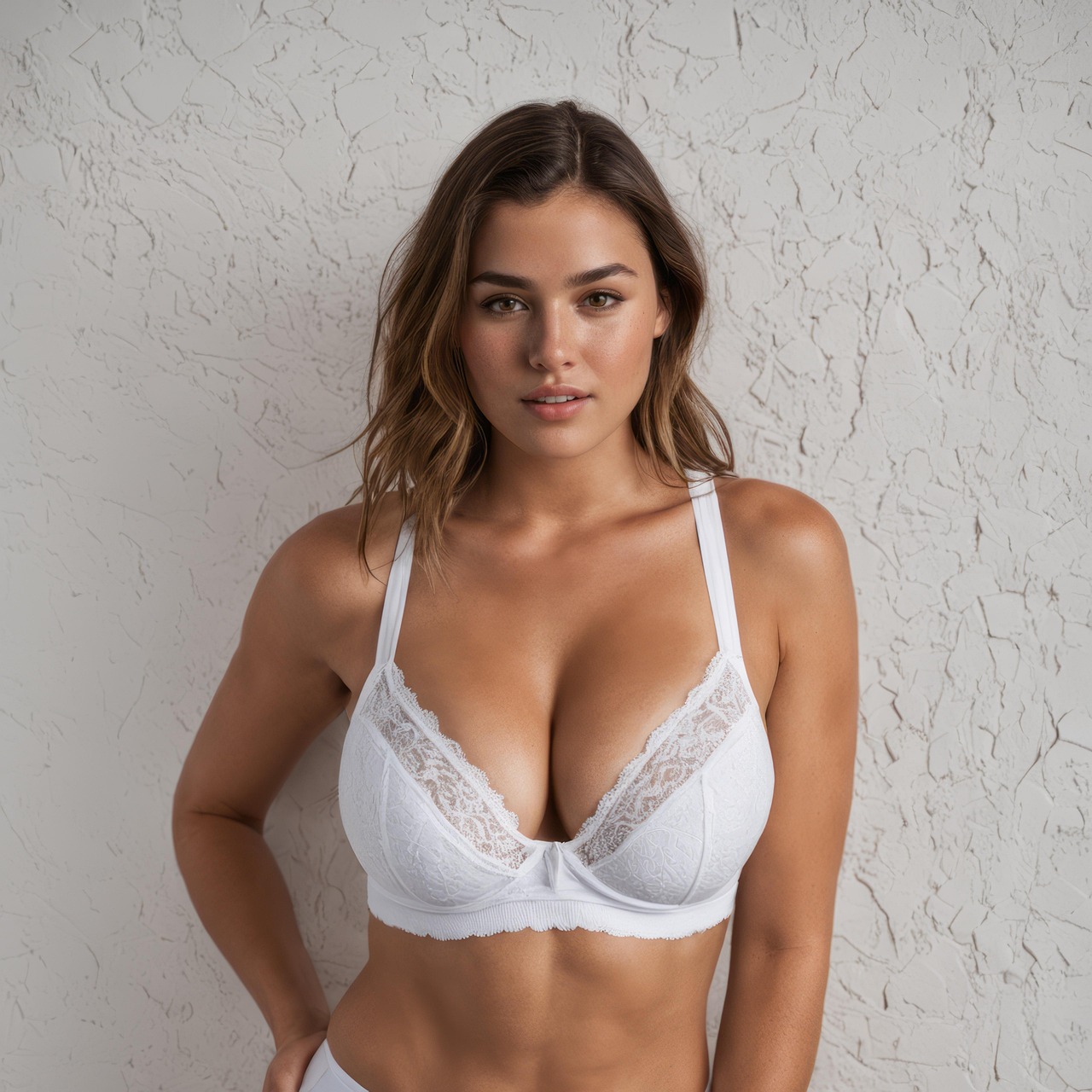
Style and function are not mutually exclusive. You’ll discover jewel tones, microprints, and modern lace nursing bras, as well as crisp, sporty silhouettes. A soft triangle bralette with drop down cups feels ethereal. A racerback nursing bra supports an on-the-go day.
Pair colors with your maternity wardrobe—charcoal beneath neutrals, plum beneath navy, or nudes that match your skin tone. Match mood and plan: lace for a date night, seamless T-shirt bra for work, wire-free lounge bra for sleep.
Many nursing options deliver both: foam-lined cups for shape, quick-access clips, and breathable fabric for all-day wear. If you have to, it’s legit to put comfort and emotional support ahead of the bells and whistles. Needs are different for different physiques and experiences.
Care and Longevity
The right care keeps maternity bras and nursing bras supportive through pregnancy, postpartum shifts, and breastfeeding needs. Delicate wash, intelligent storage, and consistent rotation shield elastic, clasps, and cup structure, ensuring that a good pregnancy bra endures the seasons you actually require it.
Washing
Hand washing maintains elasticity best, particularly when breasts fluctuate in size on a daily basis and around day three or four postpartum when milk volume surges. If machine washing, close hooks and place in a mesh lingerie bag on a delicate cycle to minimize twisting and snagging.
Opt for a gentle, non-bio detergent to safeguard lace, spacer foam and microfibre. Leave out bleach and fabric softeners because both can weaken fibres, fade color more quickly and break down stretch. This is important because nursing bras are worn every day for a few years at most, and color can fade within months and back clasps can bend under pressure.
Air dry flat or over a rack by the band, never the straps. Heat from dryers warps cups, shrinks bands and snaps elastic, reducing longevity. Some bras even specify hand wash and line dry to maintain shape. If night sweats are heavy in week one, rinse promptly and air out between wears to prevent bacteria and yeast, including thrush, for you and baby.
| Care step | Why it matters | Practical example |
|---|---|---|
| Hand wash or mesh-bag delicate cycle | Protects elastic and cup foam | 5-minute cool soak, press—don’t wring |
| Mild detergent | Reduces fiber damage | 5 ml liquid in 2 L water |
| No bleach/softeners | Prevents breakdown and residue | Use white vinegar rinse only if label allows |
| Air dry flat | Maintains shape, no heat stress | Lay on towel; reshape cups |
Storing
Lay molded-cup bras flat or stack cups aligned so they nest, not crush. Soft-cup and stretchy styles may be folded in half and laid flat, bending at the band, not through the cup.
DO NOT nestle one cup inside the other as it creases foam and deforms nursing clips. A little designated drawer care and longevity will keep those clasps from getting bent out of shape from heavy sweaters or jeans over time.
Utilize dividers for your daytime nursing bras, sleep bras, and pumping-friendly styles. Defined areas assist you in snatching the proper support when breasts feel fuller in the morning and softer by night.
Rotating
THREE is the magic number when it comes to choosing the right maternity bras. Keep at least three bras in normal rotation to minimize wear and ensure that your everyday bra remains supportive. Alternate days, allowing the elastic to bounce back between uses for optimal comfort.
Plan for size shifts: The first pregnancy nursing bra you buy may not fit after birth, and many nursing mums find they need to replace nursing bras every 13 to 14 weeks as breast volume settles. Toss out any that lose shape or are uncomfortable. Hygiene is crucial, especially with the threat of thrush!
Monitor wear with an easy phone note and swap when necessary. With good care, a classic ultra soft nursing bra can remain in circulation for six months of nursing and pumping, preserving both comfort and support without the continuous purchasing.
Conclusion
Growing through pregnancy and nursing demands a lot from a bra. Focus on stretch fabrics, flexible cups, wide bands and easy nursing access to keep you comfy through the size shifts. Check your measurements often, pay attention to ribcage and cup volume changes, and sister size when in between. Build a small rotation: a supportive everyday bra, a sleep-friendly option, and a smooth style for work or outings. Listen to your body—no digging, slipping, or gaping. Care matters too: gentle wash, air-dry, and rotate to extend life.
Select what supports you physically and emotionally. Feeling supported, secure, and confident matters. Your needs may change month to month, and that’s ok. The proper bra grows with you, rather than the opposite.
Frequently Asked Questions
When should I start wearing a maternity bra?
Switch to a good pregnancy bra when your regular bras feel tight or leave marks, which typically occurs during the first trimester. A well-fitting maternity bra, like a classic ultra soft nursing bra, supports your changing breast size and promotes healthy skin and posture.
What features matter most in a maternity or nursing bra?
Seek out stretch fabric, a wide under-bust band, and soft cups in your classic ultra soft nursing bra. For breastfeeding, select convenient one-handed clips and full drop-down cups in a supportive bra that minimizes pressure.
How do I find the right size during pregnancy?
Measure around your ribcage and the fullest part of your bust to find the right maternity bra. Refer to brand sizing charts and recheck every 4 to 6 weeks as your body changes. The band should be snug on the loosest hook, and the cups should fully enclose breast tissue without gaping.
Underwire or wire-free: which is better?
Wireless bras are typically cozier and more adaptable during pregnancy and the initial nursing period. If you prefer a traditional underwire bra, opt for a maternity-specific style that features flexible wire and proper fit to avoid pressure on breast tissue and ducts.
Can one bra work for pregnancy and nursing?
Yes. Many maternity bras, like the classic ultra soft nursing bra, feature nursing clips and elastic cups. Opt for a supportive bra with breathable fabric to meet breastfeeding needs, transitioning smoothly from pregnancy to postpartum.
How many maternity or nursing bras do I need?
Aim for three maternity bras: one to wear, one to wash, and one spare. If you leak a lot while breastfeeding, include some extras. Rotating bras prolongs their life and keeps support steady.
How do I care for my bras to make them last longer?
Hand wash in cool water with mild detergent. For machine washing, place your favorite nursing bras in a lingerie bag and use a gentle cycle. Air dry flat to maintain the quality pregnancy bra features. Skip heat and fabric softeners, and rotate bras to ensure none, including your classic ultra soft nursing bra, become overstretched and unsupportive.