

Maternity & Nursing Bras That Grow With You | Key Components, Styles, and Top Picks
Key Takeaways
- Your body evolves through pregnancy and postpartum, so opt for bras with stretch, give bands, and gentle fabrics to accommodate size fluctuations and tenderness. Swap any everyday bras that feel tight or unsupportive to safeguard comfort and breast health.
- Support is key for comfort and wellness, so seek out wide straps, sturdy bands, and soft compression to alleviate tension and decrease the likelihood of clogged ducts. Use staples for day, active, and sleep to keep support constant.
- Adjustability is your friend, so opt for designs with multi-hooks, adjustable straps, removable padding, and compatibility with extenders. Recheck measurements now and then to keep the fit snug but not uncomfortable.
- Fabric and breathability will drive comfort, so favor cotton or quality blends with moisture-wicking or mesh panels for ventilation. Stay away from rough synthetics that trap heat or chafe delicate skin.
- Simplify nursing access with drop-down cups, one-handed clips, or front clasps and make sure they work seamlessly with wearable pumps. Select styles featuring stretch, discreet coverage, and pockets for nursing pads.
- Create a mini rotation for each phase with seamless and sleep bras early on, high-support or structured styles for going out, and pumping bras postpartum. Wash gently, air-dry, and rotate bras to last longer.
Maternity and nursing bras are the only bras that grow with you. Constructed with stretch fabrics, wider bands, and adjustable hooks, they easily accommodate ribcage expansion and breast volume changes.
Soft, breathable materials minimize irritation, and drop-down or pull-aside cups make feeding and pumping easier. Wire-free or flexible underwire options strike the perfect balance between comfort and shape.
For those with tender skin, size shifts, and fluctuating needs, these bras provide functional grounding and everyday comfort. This primes our hunt for your perfect match.
Your Body’s Transformation

Pregnancy and postpartum alter your hormones, body shape, and sensitivity, making it essential to find a good pregnancy bra. As breasts expand and ribcages broaden, your normal bras may no longer fit. With supportive nursing bras featuring stretch-to-fit sizing and super-soft fabrics, comfort and optimal support remain strong.
Hormonal Shifts
Estrogen and prolactin are causing your breasts to grow quickly and become tender, which is why many women require a new bra around weeks 13 to 14. For some, cup size stabilizes around month 8, but daily changes are typical and normal. A maternity bra with stretch cups eases pressure on sensitive tissue.
Adjustability is important since size can fluctuate throughout the day and between trimesters. Take care to prioritize multi-row hook-and-eye closures, slider straps with strong hardware, and stretch panels that bounce back after wear.
Nipple sensitivity frequently intensifies, and light leakage may surface in late pregnancy and with nursing. Soft, brushed linings, cotton or modal trunks, and room for washable nursing pads keep irritation and dampness at bay without adding bulk.
Hormonal shifts don’t end with the delivery. Your body’s transformation includes milk supply shifts and fullness patterns that change in the fourth trimester, so keep two sizes or an ultra-adjustable nursing bra around.
Physical Changes
Ribcage expansion and a bouncing bust require bands with four to six rows of hooks, power-mesh wings, and no-collapse stretch cups. Some women go up more than one cup, some shift shape without a big size jump.
If underwires dig or pinch, opt for wire-free nursing bras with molded or lightly padded cups. With the right wireless style, it still lifts and separates while being comfortable for longer days.
Look out for skin irritation or chafing as volume and heat get high. Seamless knit constructions, flat seams at the cradle, and breathable cotton and bamboo all help reduce friction, particularly in warmer climates.
With milk supplies ramping up, snatch up bras that hold pads safely in place, unzip with one hand, and fasten new ones smoothly. Drop-down cups, side slings for stability, and front clips make nursing easier in public or at night.
Support Needs
Heavier, more sensitive tissue requires reliable support. Wide, cushioned straps spread the weight. A solid, high back band grounds the fit and blocks slipping. This diminishes shoulder grooves and mid-back tension.
Regularly, well-fitting support can reduce the occurrence of clogged ducts by reducing pressure points. No harsh, restrictive bands that bruise and leave marks. You want soft, even compression that celebrates natural curves.
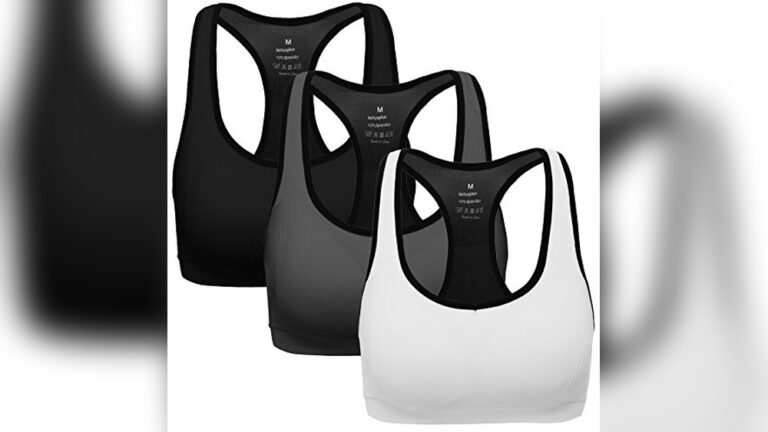
For motion, seek out nursing sports bras with encapsulation and minimal bounce. At night, soft sleep bras keep pads in place and minimize tugging during side-lying feeds. Anticipate that the first maternity bra may not be your post-partum size.
Nursing can reduce size again after weaning and some changes never come back while others do.
Choosing Your Maternity and Nursing Bras
Body changes come naturally during pregnancy and early motherhood. Support, adjustability, and quality pregnancy bra fabric count most, especially when sizes are changing weekly.
1. Prioritize Adjustability
Select bands with 4 to 6 rows of hook-and-eye closures and plenty of stretch for the ribcage to continue expanding and settling. More than 50% of pregnant women gain 1 to 2 cup sizes, and over 30% gain more than 2, so versatility isn’t a perk, it’s a necessity.
Adjustable straps avoid slip and reduce shoulder pressure as volume fluctuates through pregnancy and postpartum. Removable pads allow you to adjust shape and control post-feeding asymmetry.
Keep bra extenders around; they’re cheap and prolong band life during late pregnancy. Make a quick checklist: hooks, strap range, stretch percentage, extender compatibility, padding options, and closure type. You’ll stack brands too quickly and shop more intelligently.
2. Assess Support
Support is an important quality to look for in a maternity or nursing bra. Wide bands, reinforced seams, and side slings reduce bounce and distribute weight evenly for larger busts and super busty mums.
Wireless designs feel soft for sensitive tissue. However, not all are created equal. Some nursing bras maintain their form better than others and won’t sag by lunch.
Underwire can provide lift. Many mamas opt for a flexible wire that adjusts throughout the fourth trimester without digging in. Experiment with molded or light foam cups when you want shape under thin tops.
See verified reviews by cup range to find out how sizes F to J score support during daily wear and low-impact workouts.
3. Evaluate Fabric
Soft cotton, pima cotton, and spandex blends are gentle on sensitive skin with that added stretch to help you recover. Skip heavy synthetics that trap moisture.
Trapped sweat can be irritating and may lead to infections. Breathable mesh zones and moisture-wicking textiles assist with night sweats and hot flashes, often experienced during postpartum shifts.
Durability is hit and miss, and the right knit can astonish you. One woman claims to have experienced no pilling or fraying after 14 months. Test the band by stretching it. It should rebound cleanly without rippling.
Fabric quick guide:
- Cotton/pima: gentle, breathable, easy to wash.
- Nylon‑spandex blend: resilient, holds shape, good for everyday.
- Modal: soft, cool handfeel, drapes well.
- Mesh panels: targeted airflow without losing support.
4. Consider Access
Select one-hand nursing clips, drop-down cups, or front clasps for swift feeds with a wriggly infant. Verify closure type. Hook-and-eye quality impacts both stability and longevity.
Ensure cups open wide for latch and stay in place on straps. If you pump, check for wearable or flanged pump compatibility. A few bras even feature pump-holding slits.
Discreet coverage counts in public. Seek out A-frame slings and higher necklines that offer more protection. Nursing pad pockets control let-down leaks on the run.
5. Perfect The Fit
Take bust and ribcage measurements often. These changes are very real and very frequent in the postpartum period. Use a trusted calculator or have a professional fitting when you can.
Experiment with various strap styles, cup depths, and band widths to discover the perfect combo that supports without hot spots. Maintain a size log that captures the fluctuations throughout trimesters, breastfeeding, sleep, and low-impact workouts so your closet stays on track.
Bra Styles for Every Stage
Body changes are real. More than half of pregnant women go up one to two cup sizes, and over 30% see increases beyond that. That’s where a versatile bra closet comes into play. Combine sleep, seamless, structured, and pumping bras to suit day, night, nursing, work, and recovery.
Begin with one or two nursing bras in your third trimester, but re-evaluate after baby arrives as size and sensitivity fluctuate.
Sleep Bras
- Soft, wire-free, breathable fabrics are used along with light stretch that flexes with you.
- Seamless edges so it doesn’t show. Wide bands that roll.
- Detachable pads or pockets for thin pads to catch leaks.
- Pull-aside or clip-down access for those quick, sleepy feeds.
Opt for soft, wireless styles at night for cozy laying down and dream-feed nursing with minimal friction, especially when choosing a quality pregnancy bra. Pull-on designs feel simple at 02:00, though supportive nursing bras with hook-and-eye closures can be easier to adjust as your ribcage expands.
Seamless Bras
Seamless nursing bras reduce chafing and provide a sleek silhouette beneath t-shirts and knit dresses. They are perfect in those early postpartum weeks when your breasts are sore and fluctuate in volume by the hour.
Search for high-stretch yarns that provide engorgement while offering gentle compression. Others enjoy removable pads for light shaping and leak control during the day and then pop them out to lounge. Some like no padding; there is no correct answer, just whatever keeps you sane and comfortable.
Think everyday seamless styles with firmer bands for errands and video calls versus softer sleep-specific versions. Stick to two shades: skin-matching and black for coverage alternatives.
Structured Bras
To polish and lift, structured bras with molded cups or intelligently engineered underwire craft a sleek profile beneath tailored tops or office attire. Adjustable straps, multi-row hook-and-eye bands and flexible cup linings assist in fitting through trimesters and beyond.
If underwire irritates you, particularly in the beginning, it can put pressure on breast tissue and increase the possibility of clogged ducts. Switch to wire-free molded cups that recreate the same shape with far less force.
Good ones mix firm wings, stabilizing side panels and moisture-wicking foam so you get support without rigidity. Wear them for presentations, dinner out or whenever you need a neat silhouette.
Pumping Bras
Hands-free pumping is a breeze with bras for wearable pumps and flanges. Seek firm openings or inner slings that support parts in position so you can type, read, or snooze.
Fit matters: snug enough to anchor the pump, but not compressive, which can reduce output or contribute to blocked ducts. Toss one in your hospital bag, as it is useful from day one.
If you divide your time between pumping and nursing, a hybrid nursing-pumping bra minimizes wardrobe swaps and anxiety.
The Ergonomics of Comfort
A thoughtful bra collection—maternity and nursing—with smart design to spread weight, relieve pressure, and remain breathable as bodies transition throughout pregnancy and postpartum. Designs that grow with you come in handy when breasts fluctuate by one to two cup sizes—or even more for over thirty percent of moms.
Think padded straps, wide bands, soft linings, and closures that don’t rub. Steer clear of rigid clasps and harsh compression, which can obstruct milk ducts or chafe delicate skin. A good fitting nursing bra takes pressure off tissue and helps avoid plugged ducts, particularly in the early stages.
Weight Distribution
Wide shoulder straps and a firm, wide underbust band stabilize heavy tissue without digging. This combination distributes front load to prevent your neck and shoulders from overtaxing.
Pressure points pop up quickly in late pregnancy and the early nursing weeks. Seek cushioned strap bases, U-shaped or leotard backs, and bands that sit level around the torso for less back strain.
Racerbacks pull weight in closer to the spine, which a lot of people find helpful for larger cups or active days. Traditional straps contour more accurately and flatter rounded shoulders or tender trapezius muscles.
Convertible styles allow you to transition as your needs change. Examples with reliable support: Bravado styles with wide bands for everyday wear, Hotmilk and Cake Maternity for busty and super-busty sizes, Panache non-wired nursing options for structured lift.
For sports, Kindred Bravely’s higher-coverage styles diffuse bounce without hard compression.
Pressure Relief
Soft padding and seamless design reduce friction on vulnerable skin. Wireless designs eliminate a common pinching culprit.
If you’re an underwire lover, opt for flexible, comfort wires that trace the breast root without compressing ducts. A flexible spandex/elastane lining adjusts to swelling through the day and between feeds.
This stretch alleviates localized pressure where blockages can begin. Skip tight bands, stiff front zips, or high-compression sports styles during early lactation. A good-fitting nursing bra can reduce clog risk by maintaining even tissue pressure.
Padding is intimate. Some prefer removable pads to soak leaks or transition from day to night. Others like no padding for less bulk and quicker drying.
Closures impact comfort and convenience. Hook‑and‑eye provides precision adjustment. Pull-on suits low-friction lounging with clip‑down cups or lift‑up access. Nursing is discreet and quick.
Breathable Design
Breathable cotton and mesh panels increase airflow and comfort in hot climates or night sweats. Moisture-wicking blends (modal, bamboo-viscose with elastane, or technical microfibers) transfer sweat and milk away from skin to minimize irritation.
Lightweight fabrics are a treat to tender skin. Ultra-soft knits with silky smooth bindings prevent chafing across the underbust.
Fabric trade-offs: cotton is gentle but slower to dry. Bamboo-viscose is silky and breathable, but could stretch out a bit. Performance microfibers dry fast and wick well, which is great for workouts or travel.
When to Purchase

Timing is important because breasts and ribcage grow in phases, making it essential to choose the right bras for each stage. A flexible plan—early pregnancy, late pregnancy, and postpartum—ensures you have quality pregnancy bras without overspending, while fit checks every few weeks prevent guesswork.
Early Pregnancy
- Switch when tenderness or swelling arises during the first trimester. If your bra is leaving red marks, gaps, or pressure at the wire, switch to a maternity-friendly one, stat.
- Go for stretch-to-fit ones. Seek out soft cups, elastic side panels and four to six hook adjustments. These grow with your expanding ribcage, which tends to occur prior to bump growth.
- Skip the close-fitting daily bras. Stiff underwires can jab into tender flesh. If wires are your thing, opt for pliable or padded wire versions with broader grooves.
- Bang a foundation for flexibility. One seamless bralette for home, one lightly lined T-shirt style for work and one sleep bra — a simple rotation. Most women opt to switch to maternity bras in their second trimester when sensitivity is at its most intense, but it’s a smart time to think about your first nursing-approved style.
Late Pregnancy
Breasts and ribcage typically hit their biggest size now. It is time to go up to super stretch and super support. Wide bands, reinforced seams and power mesh assist to carry weight without digging.
Focus on nursing access—drop-down or pull-aside cups—so you can continue to wear them post-partum. Many pros suggest purchasing nursing bras late in the third trimester, at 36 to 38 weeks, for example, to prevent sizing errors. Some wait until around eight months to choose a more structured, molded-cup nursing bra.
Begin with 2 to 3 nursing bras around 36 weeks; it is just enough for a consistent wash cycle. Target three to five well-fitting bras in total to control laundry and leaks without needing to wash after every wear. Throw a soft, wire-free hospital or sleep bra in your labor bag for those skin-to-skin and early feeds.
Postpartum
Switch to nursing bras with drop down cups or easy clips for those constant feeds. The first weeks are full of size swings. Pick stretchy cups and airy fabrics that support fullness and soften as milk evens out.
Think sleep bras and pumping bras. A sleep bra keeps you comfortable by minimizing movement and holding pads at night, whereas a hands-free pumping bra saves you time when you pump exclusively or supplement feed.
Keep tabs on comfort and breast health. If you sense hot spots, clogged duct pressure or redness, alter band tension, switch to non-wired styles or size up. Others wait until day four when milk comes in for an exact fit.
Keep an eye out for sales as their size plateaus. When to buy replace worn bras.
Extending Bra Lifespan
Your maternity and nursing bras work overtime during pregnancy and postpartum, so your care decisions have a direct impact on their longevity, fit, and comfort. These washing, drying, storing, and rotation habits prolong bra fabrics’ ability to maintain their stretch and support even while sizes shift a cup or two for many of us.
Comparison of care methods and impact on longevity:
- Hand washing and air drying lead to the highest longevity and best elasticity retention.
- Machine gentle and use a mesh bag and air dry for high longevity and convenience.
- Machine warm and tumble dry low lead to moderate longevity. Some bras thrive.
- Machine hot and high heat dry leads to the lowest longevity and fast elastic fatigue.
Washing
Use a mesh lingerie bag on a delicate cycle. It protects clips, zippers, and hook-and-eye clasps from catching, which maintains stitching and prevents twisting straps.
Select a mild, enzyme-free detergent. Skip bleach and fabric softeners because they break down the spandex and elastane that provide nursing bras their supportive stretch. Oeko Tex Standard 100–certified fabrics usually comport with gentle detergents just fine, too, and are tenderer to vulnerable skin.
Rinse well. Residue can chafe skin during lengthy feeds and harden fibers, which reduces the bra’s lifespan. A second quick rinse does.
Washing checklist:
- Fasten hooks and place in mesh bag
- Cool water, gentle cycle or hand wash
- Mild detergent, no softener, no bleach
- Extra rinse
- Do not wring; press water out with a towel
Drying
Always air dry either flat on a towel or by hanging from the center gore, not the straps, which stretches out the elastic. Heat is the enemy of spandex, so avoid stove radiators or direct sun.
Avoid the dryer whenever you can. Low heat is best for bras because high heat weakens elastic and decreases lifespan. That’s not to say that some new bras don’t stand the test of time. I’ve watched a nursing bra come out looking like new after a year of warm washes and low-heat drying. Think of that as an exception, not the norm.
While damp, reshape cups, cradle and band gently. This extends bra lifespans and helps molded cups hold their shape and bands remain accurate to size.
Flip garments periodically during drying. Switch around so airflow hits linings and foam evenly and you’re not beating up the same bra two days in a row.
Storing
Lay bras flat or nest molded cups to avoid dents. Save a cool, dry drawer because moisture and sun both destroy elastic and fade fabrics.
Drawer dividers separate sizes as your body changes. You’ll locate what you need quicker on night feeds.
Don’t fold cups in half. Creases are difficult to repair and show through T-shirts.
A good fit extends life: adjust bands on inner hooks as elasticity relaxes, and favor durable hook-and-eye closures for daily wear. Purchasing a single or duo-pack of nursing bras in the third trimester helps with fit down the road. Swap out as size stabilizes postpartum.
Conclusion
Smart fit, flexible fabrics, and thoughtful design are what make maternity and nursing bras that grow with you. Bodies evolve through pregnancy and postpartum, so our lace-and-microfiber bras with stretch cups, wider bands, and supportive straps provide everyday comfort without pressure points. Front clips, drop-down cups, and breathable materials simplify nursing and are gentle on sensitive skin. Purchasing a few sizes as your ribcage expands, then reevaluating in the third trimester and after milk supply settles, keeps support steady. Rotating your bras, washing by hand, and air drying helps prolong their lifespan and save you money. From sleep and wire-free styles to pumping-friendly options, there’s a trusty fit for every moment. Focus on comfort and wing it. Your body takes the lead. Your bras, of course, come with.
Frequently Asked Questions
How do maternity and nursing bras support a changing body?
They employ stretch fabrics and flexible cups in their everyday bra designs, accommodating breast growth and ribcage expansion during pregnancy and nursing. This magic design ensures optimal support and comfort, making it a solid pregnancy bra for new mothers.
When should I buy my first maternity bra?
Most people switch to a quality pregnancy bra in the second trimester. That’s when your ribcage and breast size frequently grow. If your bras start getting tight, make the switch sooner.
What size should I choose for a nursing bra?
Take your band and cup measurements late in your second or early third trimester to find the right bras. Select a firm band on the outermost hook and cups with space to expand, ensuring optimal support for your breastfeeding journey.
Which bra styles work best for each stage?
During pregnancy, choose a quality pregnancy bra with stretchy seamless or soft-cup designs. In late pregnancy, opt for flexible underwire or molded cups. For early postpartum, supportive nursing bras with drop-down features are ideal. At nighttime, use sleep nursing bras to ensure comfort during your postpartum journey.
Are underwire bras safe during pregnancy and nursing?
Yes, if well-fitted and flexible, a good pregnancy bra can provide optimal support! Forget hard wires digging into breast tissue. Pain, red marks, or clogged ducts means a bad fit, especially for new mothers.
How do I improve comfort and ergonomics?
Opt for a supportive bra with wide straps, breathable fabric, and smooth seams. A quality pregnancy bra features a multi-hook back and side panels to disperse weight, enhancing comfort and minimizing discomfort during your postpartum journey.
How can I extend the lifespan of my bras?
To maintain the optimal support of your everyday bra, rotate it regularly, hand-wash with mild detergent, and dry flat. If machine washing, secure hooks in a mesh bag. Avoid heat and fabric softeners to prevent discomfort as you transition through your postpartum journey.



One Comment