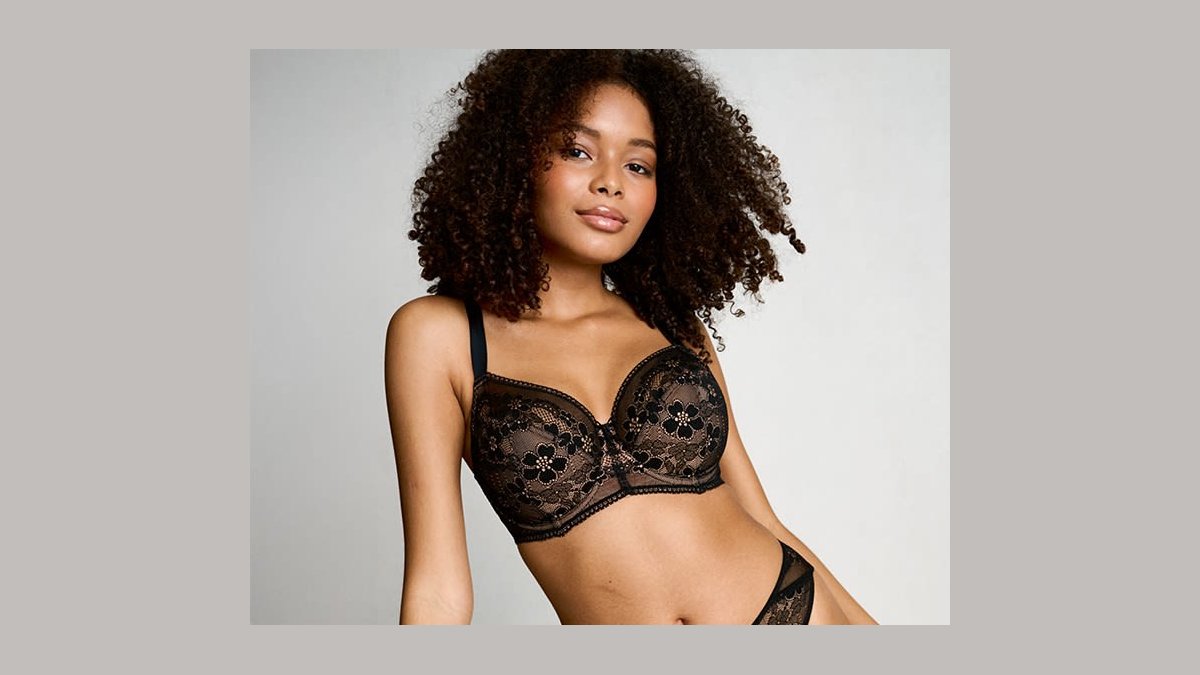
How to Choose the Best Bra Style for Your Shape, Comfort, and Support
Accurately measuring your rib cage and bust line is the most reliable way to choose the best bra style for you, since fit varies significantly between brands.
If you have a larger bust, look for full-coverage styles with wide straps to distribute weight evenly.
For those with a smaller frame or who prioritize comfort, wireless bralettes often provide the best daily experience.
Choose the right style for your shape
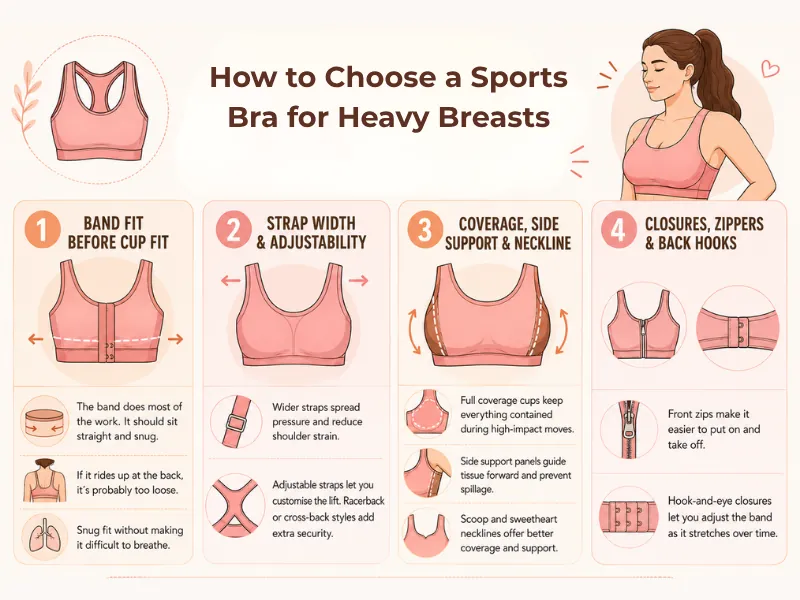
Choosing the right bra involves balancing support needs with your personal clothing choices.
While a T-shirt bra works for most outfits, specialized styles provide better structure for specific activities or necklines.
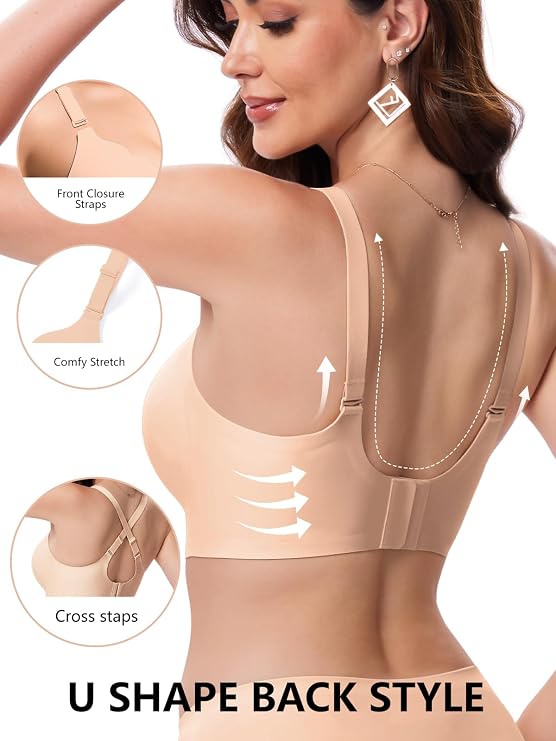
- Full Coverage Bras No Underwire – The V neck Bras Designed with no wire to provide a natural relaxed fit while offering great support through 360° jelly band, ensuring all day comfort…
- Designed Specifically for Plus-Size Women – Our plus size bra come in a wide range of sizes from S to 5XL, suitable for fuller-busted women with cup sizes B to DDD. The bra feature…
- Ultra-Soft Fabric for All-Day Comfort – This supportive bra is made of luxurious fabric that feels silky-smooth & buttery-soft, offering all-day comfort with full support yet breathable…
Last update on 2026-10-29 / Affiliate links / Images from Amazon Product Advertising API
| Method | How long | Effort | Cost | Best for |
|---|---|---|---|---|
| T-shirt bra | All day | Low | Medium | Daily wear |
| Full coverage | All day | Medium | Medium | Larger busts |
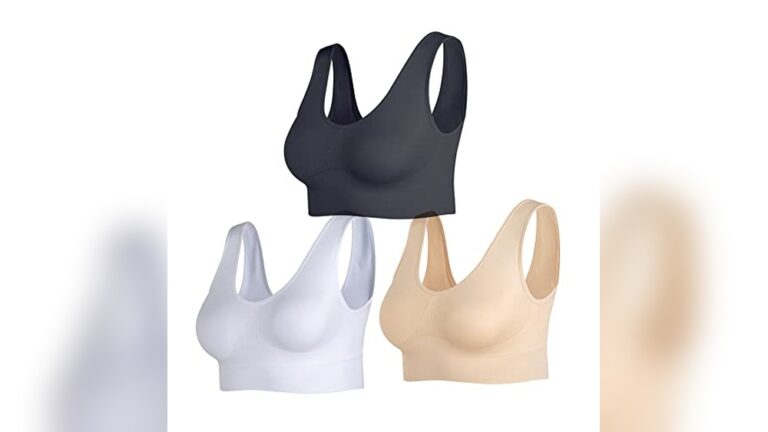
| Wireless bralette | All day | Low | Low | Comfort |
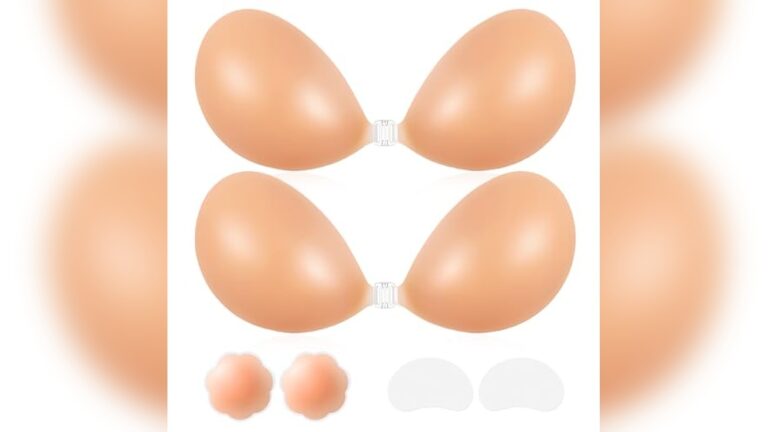
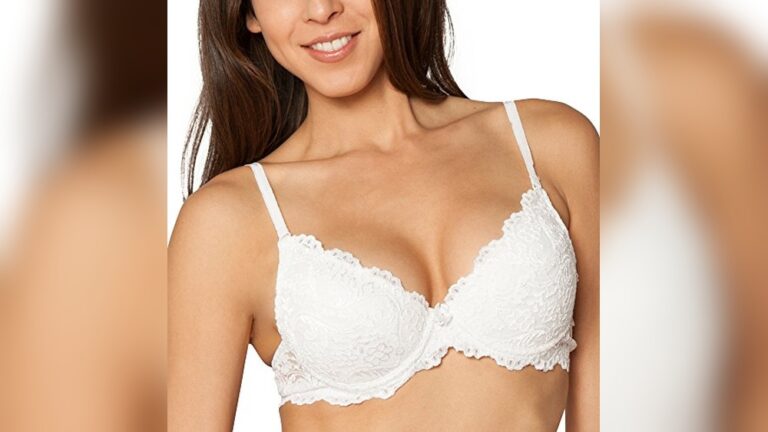
| Push-up bra | 4-6 hours | Medium | High | Special occasions |
The cost levels above reflect typical market pricing, not specific brand tags.
Effort levels refer to the time needed to adjust straps and ensure proper placement against your skin.
Check the official bra-fitting guidelines from manufacturers to understand how their sizing models differ from standard retail measurements.
Selecting a versatile t-shirt bra
A t-shirt bra is the standard choice for most people because it creates a smooth silhouette under thin fabrics. It uses molded cups that hold their shape even when you aren’t wearing it.
Measure your underbust firmly with a tape measure to find your band size. If the tape feels loose, pull it tighter; a band that slides up your back during the day is too large to provide necessary support.
Measure the fullest part of your bust to determine your cup size, ensuring the tape stays parallel to the floor.
Put on the bra and adjust the straps so they stay flat against your shoulders without digging in.
If the straps leave red indentations, you have likely over-tightened them to compensate for a band that has lost its elasticity.
Check that the center gore, the part between the cups, sits flat against your breastbone. If it floats or gaps, the cup size is too small.
This style is excellent for daily use because it’s discreet and comfortable for long shifts. However, it isn’t ideal for deep-plunge tops, as the cups may show above the neckline.
If your bra peeks out, switch to a balconette or a plunge-style molded cup instead.
Choosing full coverage for support
Full coverage bras are designed to encapsulate the breast tissue entirely, providing maximum security.
This style is essential if you find that your breasts spill out of the tops or sides of standard cups.
If the center gore—the bridge between the cups—doesn’t lie perfectly flat against your sternum, you’re likely in a cup size too small.
A floating gore forces the underwire to rest on breast tissue, which causes painful chafing and diminishes support.
Use a professional fitting tool to identify your breast shape and ensure the wire doesn’t sit on breast tissue. Choose a bra with wide, padded straps to prevent shoulder indentations.
Fasten the bra on the loosest hook to allow the fabric to stretch over time. Adjust the cups by leaning forward and scooping tissue into the center.
Many shoppers mistake a high neckline for a guarantee of support, but the true test is the band. If you can pull the back strap more than two inches away from your spine, the band is too loose to hold the weight.
These bras are the gold standard for larger busts because they offer the most stability during movement. One genuine weakness is that they can feel heavy or bulky under fitted, lightweight clothing.

- ALL-DAY COTTON COMFORT – Stock up on this value assortment of cotton cami bras for women; designed to provide a soft comfortable fit during yoga pilates or daily wear.
- SPAGHETTI STRAP DESIGN – Thin straps create a low-profile look that layers easily under tees tanks low-cut tops and sundresses.
- EASY PULLOVER FIT – No hooks no clasps no underwire and no itchy tags. Designed for a smooth fuss-free feel from day to night.

Last update on 2026-10-29 / Affiliate links / Images from Amazon Product Advertising API
Using wireless bralettes for comfort
Wireless bralettes have become popular because they lack the rigid underwire that can cause discomfort for some users. They rely on soft, stretchy fabrics to provide a gentle hold rather than heavy structural support.
Choose a bralette with adjustable straps to customize the lift. If the straps dig into your shoulders, the band is likely too loose and can’t support the weight of your bust.
Put on the bralette and make sure the band sits horizontally across your rib cage. Smooth the fabric over your back to prevent bulging under clothing.
Check that the band doesn’t ride up your back during normal movement. If the back band rises, you have lost the anchor point necessary for stability.
Bralettes are perfect for lounging or low-impact days where you want freedom of movement. They aren’t recommended for high-impact exercise or formal events where you need a specific, lifted shape.
If you have a cup size larger than a D, look for styles with a reinforced power-mesh lining. This extra layer provides the containment standard, single-layer cotton bralettes lack, preventing the fabric from stretching out after just a few hours of wear.
Which style fits your needs?
When you’re in a hurry, a T-shirt bra is your best choice because it’s easy to put on and matches almost any outfit in your closet.
If you’re doing this for the first time, start with a wireless bralette to get used to a comfortable fit before moving to more structured styles.
For the best possible result, opt for a full-coverage bra with a professional fitting.
The main trade-off is between support and coverage. A more supportive bra often feels more restrictive, while a lighter bra offers less shaping.
Remember that your size can change with weight fluctuations or hormonal cycles, so re-measure yourself every six months.
If a bra leaves red marks on your skin, the band is likely too tight, or the wire is the wrong shape for your body.
If you spill out of the cups when you lean forward, move up one cup size. If the center gore fails to sit flat against your sternum, the band is too loose to provide proper lift.
Most people mistakenly prioritize cup size over band tension, but the band should provide 80 percent of the support.
If the straps dig into your shoulders, tighten the band instead of the straps to shift the weight correctly.

- Inbarely Soft Collection – Upgraded with ultra soft and stretchy fabric to create a more comfortable and fitting wearing experience
- Dual-layer stretch fabric for added support without cutting the skin
- Non-padded, non-wired design for a natural shape
Last update on 2026-10-29 / Affiliate links / Images from Amazon Product Advertising API
Rules for a better fit
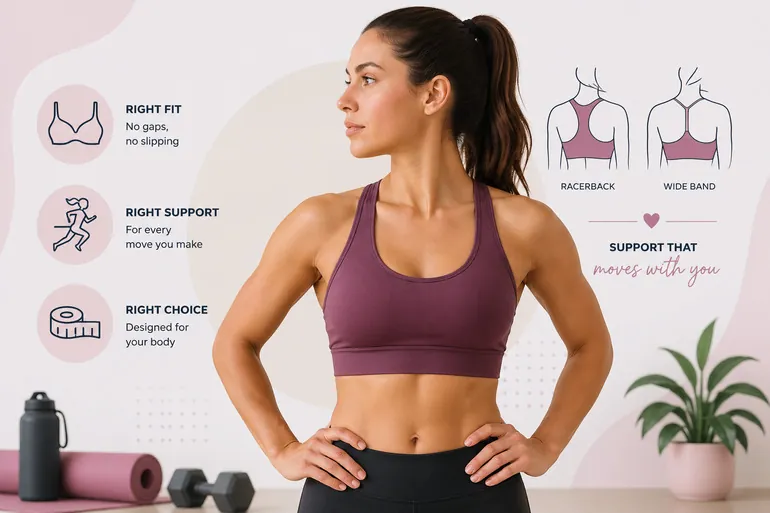
No matter which style you choose, the band provides about 80% of your support. If the back of your bra rides up toward your shoulder blades, the band is too loose, and you should try a smaller size.
Your goal is a band that sits parallel to the floor. If it tilts upward, you lose the structural foundation needed to prevent shoulder strain.
Always use the “scoop and swoop” method: lean forward and pull your breast tissue from the sides into the cups. This ensures you aren’t losing support because of misplaced tissue.
Most women skip this step, but skipping it often leads them to buy cups that are two sizes too small.
If a physical condition makes traditional fasteners difficult to manage, look for front-closure bras or those with magnetic clasps. These options require less dexterity than reaching behind your back.
Never ignore persistent pain caused by an underwire. It’s a sign that the wire is sitting on your breast tissue rather than the rib cage. If you feel a sharp poke, take the bra off immediately.
If you can’t find a comfortable fit in standard sizes, consult a professional bra fitter at a reputable department store. A trained eye will spot the subtle gap between the gore and your sternum that you might miss.
Frequently asked questions
Can I wear a bra that’s a different size than my measurement?
No, wearing the wrong size causes discomfort and often leads to back pain. While some brands vary slightly, you should always start with your true measurement to ensure the band provides enough support. If a bra feels tight, the cup size is usually too small, not the band. Always check the brand’s size chart before making a final selection.
Why does my bra strap keep falling down?
Your strap is likely too loose, or your shoulders are naturally sloped, which causes the fabric to slide off. Tighten the straps until they feel snug but don’t dig into your skin. If the problem continues, consider a racerback style or a converter clip that pulls the straps together in the back. This simple change keeps the straps secure on your shoulders throughout the day.
How long should a bra last?
A high-quality bra typically lasts between 6 and 12 months with proper care and regular rotation. The lifespan depends on how often you wear it and how you wash it. To make your bras last longer, always hand wash them in cool water and lay them flat to dry. Avoid the dryer, as heat damages the elastic fibers and can warp the wire.
Is it safe to wear an underwire bra all day?
Yes, it’s perfectly safe to wear an underwire bra all day as long as it fits your body correctly. The wire should sit flat against your rib cage, not press into your breast tissue. If you feel pinching or bruising, the bra is the wrong size or shape for you. If you still feel pain after switching sizes, switch to a wireless style for comfort.
What happens if the band is too tight?
If your band is too tight, it will restrict your breathing and can cause skin irritation or bruising. A tight band also pulls the underwire away from your body, which reduces the support the bra can provide. You should be able to fit two fingers comfortably under the band when it’s fastened. If you cannot, go up one band size and down one cup size for balance.
How often should I get fitted for a new bra?
Get fitted every 6 to 12 months because your body shape changes over time. Factors like weight loss or gain, pregnancy, and aging can affect your measurements. If your current bras feel uncomfortable or no longer provide the lift you need, it’s time to get remeasured. A quick check at a local boutique or using an online tool can save you from wearing the wrong size.

- SUPER SOFT: Smooth microfiber feels soft against the skin, supports your natural shape, and makes CK’s signature bras for women lightweight and soothing to the touch.
- JUST ENOUGH SUPPORT: Lightly lined with molded cups for the perfect shape, this wireless Calvin Klein bra is designed with removable pads for versatility .
- NO TAGS: A heat sealed logo and labelling give these women’s bralettes a fit that’s itch-less and edge-free.
Last update on 2026-10-29 / Affiliate links / Images from Amazon Product Advertising API
Our Conclusion
Finding the right style is a trial-and-error process that rewards patience.
Focus on how the band feels against your ribs and how the cups hold your shape, rather than just the number on the tag.
By prioritizing fit over fashion, you’ll find a style that supports your body all day.