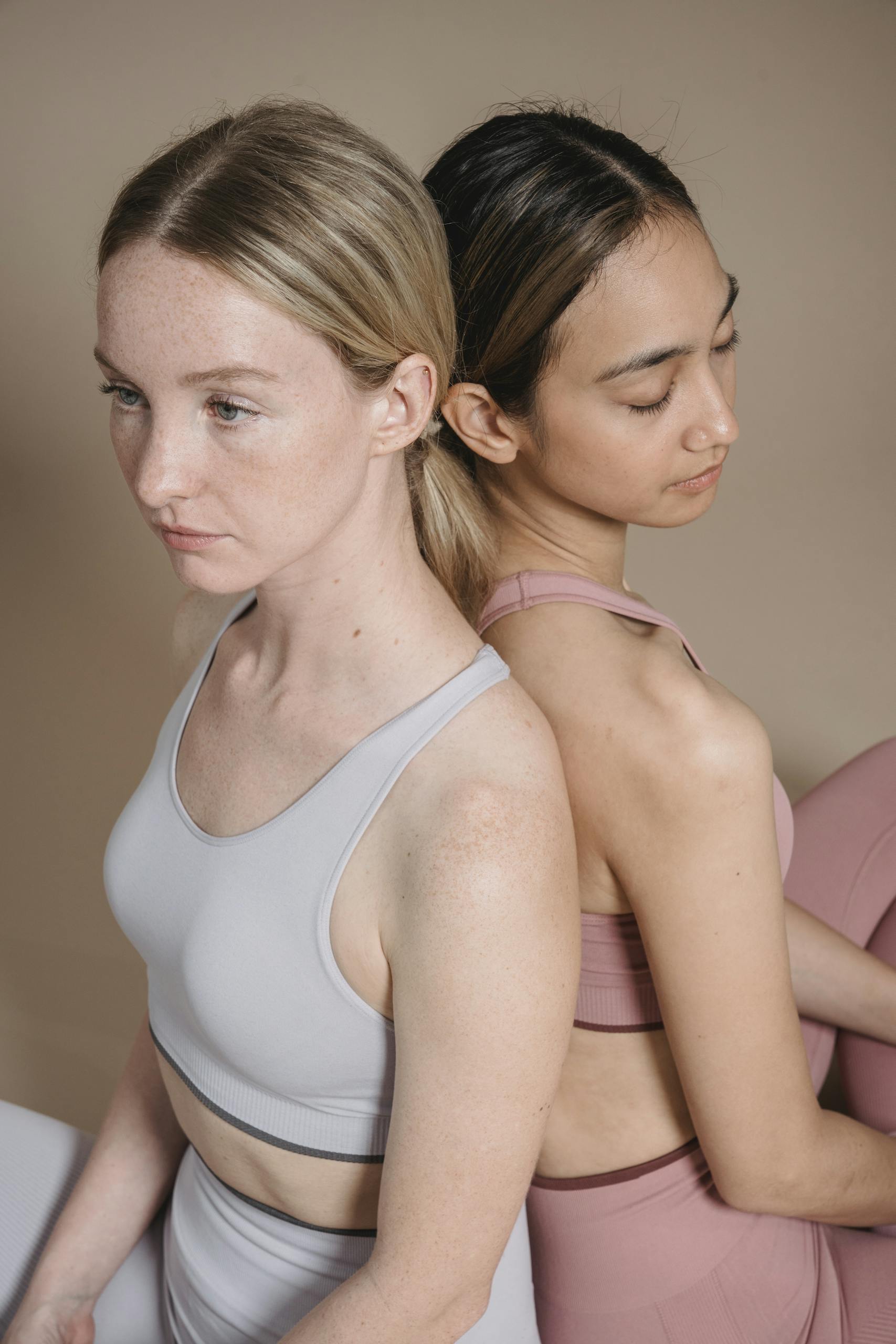
What Is Shapewear? History, Benefits, and How to Choose the Right Style
Key Takeaways
- What’s shapewear about? It’s a contemporary foundation that streamlines the body for a chic silhouette beneath your casual wardrobe and evening duds. Today’s designs incorporate breathable stretch fabrics and intelligent compression for comfort.
- Shape and compression level are important for comfort and results. Be sure to measure correctly, consult the size chart, and select light, moderate, or firm compression depending on your ensemble and shaping preferences.
- Various designs focus on different parts for a more customized impact. Bodysuits provide full-coverage smoothing, shaping shorts offer thigh coverage and anti-chafing, and torso shapers create a sculpted waist and smooth back.
- Fabric and design breakthroughs enhance comfort. Search for seamless construction, moisture-wicking fabrics, anti-slip grips, and adjustable features that keep the garment undetectable and comfortable to wear.
- Shapewear enhances your natural shape instead of transforming it drastically. It’s not just for special occasions or curvy figures — this stuff is perfect for any shape, any day of the week and it provides additional modesty underneath see-through materials.
- Craft a mini shapewear wardrobe that fits your wardrobe and lifestyle. Try a few styles on at home, dance around and save what feels good so you can rock your favorite looks with confidence.
Shapewear is a foundation garment designed to smooth, support, and contour the body underneath one’s clothing. Crafted from compression fabrics like nylon and elastane, it focuses on zones including the waist, hips, thighs, and bust.
Choices span from light smoothing to firm compression and come in styles like briefs, bodysuits, shorts, and camis. For mature gals, breathable panels, flexible boning, and seamless edges assist with comfort and fit.
To prepare you, the guide touches on advantages, size, and practical styling advice.
What is Shapewear?
Shapewear is the first layer of slimming undergarments that smooth, shape and enhance your silhouette beneath clothing. Today’s styles incorporate stretchy, breathable fabrics and focused compression, so they are useful for everyday wear.
They come in the form of bodysuits, high-waisted briefs, shorts, waist cinchers and slips, all of which target your tummy, hips, butt, thighs or back. We aim for a smooth, unbroken silhouette beneath everything from tees to tuxedos.
1. The Foundation
Foundation garments provide a smooth canvas, so fabrics glide instead of grab. By smoothing bulges and softening lines at the waist, hips, and back, they make dresses fall better and trousers hang flatter.
Shapewear is designed to hold and mold certain areas. Imagine shaper shorts for thigh smoothing and anti-chafe comfort, or a bodysuit for all-over balance and subtle lift at the bust. Flexible boning in certain items helps maintain edges without jabbing.
A solid foundation can translate to less adjusting and more assurance. For everyday outfits, I like adaptive compression zones: firmer at the midsection and lighter over the ribs so breathing stays easy.
If you want a gentler embrace, opt for light compression. If you want more precise contouring, firm options are great, but do not size down.
2. The Feeling
New, modern fabrics are soft, breathable, and stretchy, which aid in all-day comfort. Seamless construction minimizes friction and eliminates VPL under thin knits.
What counts is the fit and not the tag size. You want uniform compression, no pinching at the leg openings, and no rolling at the waist.
Experiment with different rises and leg lengths, such as shorts to mid-thigh for dresses and briefs under jeans, to complement your wardrobe and body shape.
There are women who wear firm-compression everyday. Other women hoard it for special occasions or post-baby TLC. Both are legitimate — comfort makes the call.
3. The Function
Shapewear smooths, sculpts, and supports areas like the tummy, thighs, back, and butt. It can provide an opaque layer beneath see-through fabrics, so white pants or diaphanous dresses suddenly seem safer.
Common solutions include:
- Shaper shorts: thigh smoothing, chafe prevention, seamless lines.
- Bodysuits: all-over control, light bust support, steady posture.
- High-waisted briefs: core focus with a flat waistband.
- Slips: glide under clingy dresses, reduce static.
Search for breathable fibers, cotton gussets for hygiene and ease, and flexible boning where structure assists.
4. The Myth
Shapewear isn’t reserved for special occasions or a single body shape. Brands are providing inclusive size ranges and skin tones.
It’s not necessarily uncomfortable either. Newer weaves and adaptive zones flow with you. It won’t alter your figure; it showcases your natural form by smoothing contours.
Not at all old fashioned, modern day designs tackle genuine necessities, from everyday wear to post baby, with more intelligent fabrics and strategically placed closures.
The Shapewear Evolution
Shapewear has always reflected what people wear and appreciate. From rigid metalwork to soft, breathable knits, the goal stays steady: smooth lines, confident posture, and a choice in how clothes sit on the body.
Ancient roots reveal the impulse isn’t novel. In Egypt, Greece, and Rome, linen wraps, leather belts, and layers were used to shape the figure beneath tunics and draped dresses. Form met function in pageantry and day-to-day living.
By the 16th century, the look narrowed: steel and whalebone stiffened corsets, inspired by royal dress like Queen Elizabeth I’s, shaped the torso into an idealized cone or hourglass. These things got the job done, but comfort seldom made the cut. When clients ask if corsets were all harmful, I stay balanced: they were restrictive, yes, but they reflected limited fabric technology.
Today, if you want that sculpted look without pressure points, go for modern waist-sculpting panels with graduated compression and stretch.
The 20th century relaxed the structure. Ready-to-wear fashions and new fibers reset expectations. Pantyhose entered the scene in the 1950s, combining stockings and briefs to provide more polished lines beneath ever slimmer skirts.
Then came body shapers, built-in bra bodysuits, shaper shorts, and waist cinchers as hemlines got higher, fabrics got thinner, and the silhouette changed. The true turning point was spandex, also known as lycra or elastane.
This spandex fiber continues to form the base of the majority of shapewear today because it rebounds, layers well, and allows for various compression zones. Seamless circular knitting eliminated hulking seams, so bodycons and fine-gauge knits could skim with no ridges.
As fashion rotated from slip dresses to structured suiting to athleisure, shapewear evolved. Under a sheath dress, high-waist shorts with bonded edges prevent roll and visible panty lines. For business attire, a light-control camisole smooths without heat beneath blouses and blazers.
For nights out, a mid-thigh bodysuit hugs the core yet leaves natural curves. When heat or sensitive skin are a factor, I gravitate toward breathable blends featuring cotton gussets or micro-perforated panels. If compression is too intense, opt for level 1 to 2 light to moderate control and target zones instead of all-over styles.
Today the mood is options, not obligation. Body confidence wants weapons that work for you, not dictator demands.
- Ancient wraps and belts (Egypt, Greece, Rome)
- 16th-century steel/whalebone corsets, court-influenced
- 1950s pantyhose mainstream adoption
- Spandex/elastane revolution; stretch, recovery, comfort
- Seamless knitting, bonded edges, laser-cut finishes
- Expansion: bodysuits, shaper shorts, waist cinchers
- Rise of ready-to-wear shifts needs and fit
- Bodycon era demands invisible construction
- Breathable fabrics and inclusive sizing/tones
- Market growth focused on comfort, flexibility, inclusivity
Understanding Shapewear Types
Shapewear is a first-layer garment that hugs and molds the body beneath your clothes. Designs tend to group into three categories: torso, bottom, and full body. Each provides a different advantage, from smoothing out bra lines to head-to-toe support.
Match the garment to the outfit: strapless bodysuits for sleeveless tops, shaping shorts for skirts, and slips for clingy dresses. Seamless styles fit like a second skin and wear under most materials.
| Type | Target Areas | Best For | Key Benefits |
|---|---|---|---|
| Waist cincher | Waist, tummy, mid-back | Fitted tops, blouses | Defined waist, posture cue |
| Camisole shaper | Upper tummy, back, bra line | Sheer knits, workwear | Smooth back, no panty line |
| Bodysuit | Bust, core, hips, thighs | Sleeveless/low-back outfits | All-in-one control, stays put |
| Shaping shorts | Hips, thighs, buttocks | Skirts, bodycon dresses | VPL-free, anti-chafe |
| Briefs/thongs | Lower tummy, buttocks | Everyday jeans, trousers | Minimal coverage, targeted control |
| Control tights | Waist to toes | Dresses, cold weather | Leg smoothing, waistband support |
| Shaping slip | Bust-to-thigh | Clingy dresses | Skim-not-squeeze finish |
For Torso
Waist cinchers, camisole shapers, and bodysuit shapewear concentrate on the waist, stomach, and back. They manage bra lines, cut in on the gut, and offer a cleaner canvas for tailoring.
A good strapless bodysuit can shape the bust for a lift and support, cinch the waist, and smooth hips and thighs, all without budging and perfect for sleeveless or off-shoulder looks.
Wear torso pieces with fitted shirts, blouses, and sheath dresses when you want a clean waistline. Choose compression by goal: light for subtle smoothing at work, moderate for photo days, and firm for structured silhouettes.
If firm feels too confining, trade to targeted compression zones around the tummy and seamless legs to eliminate visible panty lines. Daily wear can be safe when it is designed to be breathable and fits properly.
Other women experience improved posture and light core activation. If you feel discomfort, decrease compression or rotate styles.
For Lower Body
Shaping shorts, briefs, thongs, and control tights hone in on hips, thighs, and buttocks. They reduce lines and encourage a sleeker leg line.
Slip under skirts, suiting pants or bodycon styles for a smooth silhouette. Anti-chafing panel shorts are a life-saver on warm days. Seamless finishes and bonded edges remain invisible beneath lightweight fabrics.
Briefs provide lower-tummy control but don’t extend to the thighs. Thongs eliminate the possibility of visible panty lines. Control tights provide smoothing down the legs and are handy in colder weather.
For Full Body
Full bodysuits and shaping slips offer head-to-toe smoothing with uniform support across the bust, waist, hips, and thighs for an even outcome that won’t move throughout the day.
- Formal wear: open-bust bodysuit under structured gowns for stable shaping
- Bridal gowns: seamless slip to prevent cling and photo-visible lines
- Total coverage: strapless bodysuit for low back or sleeveless styles
Seek out adjustable straps, open-bust options that pair with your own bra, and different levels of compression to dial in comfort. A body suit compresses your midsection and lower body with built-in bust support.
A slip is worn like a dress underneath. Some reserve these for special occasions. Others strap these on for work or hitting the town.
The Science of Sculpting
Shapewear is a mix of engineered fabrics and compression to sculpt, smooth and support. Elastic fibers exert graded pressure that repositions soft tissue, sharpens lines, and produces an immediate slimming effect so clothes skim instead of cling.
Spandex, nylon and polyester offer stretch, recovery and durability, and seamless knitting and targeted panels focus control where it’s needed and relax where it isn’t for mobility. The science of sculpting compares compression levels and fabric blends to help match comfort with results.
Advantages remain cosmetic and transient, which is fantastic for self-esteem and shape, but not for slimming.
Fabric Technology
Contemporary modern shapewear incorporates performance yarns that manage to strike a balance between hold and breathability. Nylon provides durability and a sleek finish, while spandex, known as elastane, imparts flexibility and rebound. Polyester stands up to abrasion and dries quickly, making it an ideal choice for various styles of shapewear garments.
Blends vary: a 20 to 30 percent spandex content usually signals strong shaping, perfect for those seeking a shapewear solution that provides support without sacrificing comfort. Breathable mesh and moisture-wicking fibers whisk sweat away, keeping skin drier and cooler during long events, which is especially helpful in hot weather and dress clothes.
That’s helpful in hot weather and dress clothes. Lightweight, high-gauge knits create a ‘barely-there’ feel and still sculpt. Soft linings and seamless finishes reduce rubbing at the thighs, waist, or underarms.
I remain optimistic regarding comfort and recommend turning pieces and laundering after every wear. Regular washing preserves elasticity and longevity. Check labels: Look for nylon-spandex or polyester-spandex blends, mesh zones, and Oeko-Tex or similar certifications when possible.
Postpartum readers might enjoy easy breezy ensembles with smooth waistbands for that awesome pressure helping to tuck in those abs, making postpartum shapewear a practical choice for new mothers.
Compression Levels
Light gentle compression smooths without squeezing. It is at home in daily wear, travel, and breathable layering. Medium compression sculpts more prominently, blending definition and ease for work days or dressier ensembles.
Firm compression sculpts for special events, photo ops, or tailored formalwear. Avoid long wear because it might give you indigestion.
Checklist to match compression, garment, and outfit:
- Light: seamless briefs, camis, thin shorts. Runs below T-shirts, knits, jumpsuits. Great for warm weather and all-day errands.
- Moderate: mid-thigh shorts, bodysuits, high-waist briefs. Teams with pencil skirts, tailored pants and wrap dresses. Diminishes cellulite visibility beneath sleek textiles.
- Firm: longline bodysuits, corset-style waist pieces, full slips. Top under satin, bodycon, or wedding wear. Schedule shorter wear windows and breaks.
Design Features
- Adjustable straps for lift and fit control
- Open‑bust fronts to pair with your best‑fitting bra
- Seamless waistbands that disappear under thin fabrics
- Reinforced tummy, side, and seat panels for targeted shaping
- Anti‑slip grips at hems to prevent roll‑ups
- Breathable zones at the core and inner thighs for airflow
- Cotton or soft gussets for comfort and hygiene
- Convertible styles (strapless, cross‑back) for versatile necklines
I remain pragmatic about downsides like heat, rolling, or pressure and recommend lighter compression, breathable panels, and proper sizing instead. Modern shapewear pieces aid postpartum support, refine silhouettes, and boost confidence, but won’t adjust body composition.
Find Your Perfect Fit
Shapewear is most effective when the size, material, and compression align with your body and outfit, especially with modern shapewear pieces. Comfort comes first, particularly if you will wear it for hours.
Instruct on measuring your body accurately to select the right shapewear size and avoid discomfort.
Measure over bare skin with a soft tape. Stand tall, breathe deep. Be bust (fullest point), waist (narrowest point above the navel), and hips (fullest seat). Measure in centimeters and check against each brand’s chart. Sizes differ.
If you’re between sizes, opt for the larger with daily use. Size down solely for brief affairs and only if the material is ultra-stretchy. Check fabric composition. Nylon with elastane gives resilient hold, while cotton blends feel cooler.
Seam placement is important, too. Flat seams and bonded edges cause less digging. If it rolls, pinches, or cuts off your air in the try-on, it’s the wrong size, not you.
Recommend considering your outfit and target areas when choosing shapewear styles and compression levels.
Style to clothes and goals. For waist and tummy smoothing under fitted dresses, a bodysuit with built-in midsection compression forms an even line. High-waisted body shaper shorts smooth the lower belly and thigh rub under skirts and pants.
T lifters provide lift without squashing the seat, which is good if you’re thin or desire additional curve enhancement. Strapless body shapers can work under open necklines.
Choose compression by need: light for daily smoothing, medium for office-to-dinner structure, and firm for special occasions or postpartum/post-surgery only if cleared by your clinician.
Curvy bodies love the graduated compression that supports but doesn’t squash the hips and tuchus. Rectangular or straight shapes, on the other hand, might favor waist-focused panels to create subtle curves.
Advise trying on multiple shapewear pieces to identify the most flattering and comfortable fit for your body shape.
Bring the clothes you intend to wear. Sit, walk, and raise your arms. Look for rolling waist, leg bands that cut in, or flattening at your butt or bust.
Different body types respond differently: a curvy shape may love a long-torso bodysuit, while a straighter figure might get better shaping from a waist cincher with stretchy cups.
If you experience numbness, non-fading imprints, or shortness of breath, change styles or decrease compression. Comfort is a must for extended wear.
Encourage building a shapewear wardrobe with different styles for various clothing needs and occasions.
Think modular. Keep a light-control brief for daily smoothing, medium-control high-waisted shorts for pencil skirts, a strapless body shaper for dressy looks, and a supportive bodysuit for clingy knits.
Add a butt lifter or hip-enhancing short if you want more curve. For postpartum or post-surgery, prioritize medical guidance and breathable, adjustable garments.
Mix materials—cool-touch microfiber for heat and cotton blends for sensitive skin. With a few targeted pieces, you can lift the butt, support the boobs, smooth the tummy, or define the waist without sacrificing ease.
My Shapewear Philosophy
Shapewear, to me, is utilitarian. It smooths what fabric accentuates, gives us support where we need it, and helps clothes lay the way designers intended. It should feel like a silent helper, never a mask. Modern shapewear pieces can enhance any outfit without sacrificing comfort.
I’m all for shapewear to feel confident and comfortable, not to conceal your figure. There’s something magical about a shapewear slip amidst a silken dress or a smoothing garment under trousers or a fitted knit. That cleaner line often adds confidence at work, a wedding, or a big presentation.
Others experience improved posture with shaping pieces. Gentle compression around the ribcage can prompt you to align your ribs and shoulders, potentially relieving slight back tension during extended desk work. If it’s posture support you’re after, seek out soft, breathable panels as opposed to rigid boning and keep compression on the lighter side.
About My Shapewear Philosophy: Fit comes first. If the waistband rolls or you feel pinching, size up or switch styles. Light compression is for daily smoothing, medium is for form-fitting pieces, and firm is for the red carpet. Choosing the right shapewear solution is key to feeling empowered.
I know daily wearers like to grab for high-waisted shorts with mid-thigh coverage because they stop chafing and generate a smooth foundation underneath skirts or pants. Others prefer strategic brief shapewear beneath jeans or a pencil skirt. If you’re dealing with occasional back pain, a soft-control bodysuit featuring a supportive midsection can assist by encouraging better alignment without feeling stiff.
Invest in pieces that complement your style and wardrobe. If you’re all about slip dresses, a seamless bodysuit or strapless style keeps lines undetectable. For high-rise trousers, a high-waisted brief smooths the waistband.
For wrap dresses or suiting, mid-thigh shorts minimize texture under lightweight fabrics. Shapewear has many cuts: high-waisted, mid-thigh, strapless, and more, so pair the silhouette to the dress. Color matters too: nude tones close to your skin tone disappear under sheer fabric. Black pairs well with darker outfits.
Maintain the attitude. Snag shapewear to honor your go-to pieces, not to censor yourself. Some of you wear it every day, while others save it for travel, photos, or events. Either way works, as long as the shapewear garment fits seamlessly into your lifestyle.
I’m all about breathable fabrics, flat seams, and wide waistbands for comfort, particularly in warm weather or long days. The primary purpose is simple: create a smooth, seamless look so your clothes fit better and you feel ready, not restricted.
Conclusion
To recap, shapewear is most effective as an aid, not a solution. Support the body you have now with pieces that feel great and complement your looks and ambitions. Focus on breathable fabrics, sensible compression, and a fit that doesn’t dig or roll. Measure in centimeters for precision, consult size charts, and experiment with sister sizes if you’re between bands or cups. Rotate styles—shorts for dresses, bodysuits for smooth lines, and targeted pieces for specific areas—so each gets to do its job without doing too much.
Feeling good is worth so much more than the pursuit of a certain shape. Go for comfort first, then silhouette. When it’s right, shapewear disappears and you dance, hustle, and breathe without a second thought. Now that’s a victory.
Frequently Asked Questions
What is shapewear?
Shapewear is a modern shapewear solution that contours your body using compressive materials to create a sleek silhouette beneath garments. Common goals include defining the waist, flattening the tummy, lifting the butt, or smoothing lines, making it an essential foundation garment for achieving your favorite shapewear style.
How has shapewear evolved over time?
Shapewear has evolved from bone-stiff corsets to modern shapewear pieces made from airy, lycra-infused fabrics. Innovations like seamless shapewear knitting, strategic compression, and body-positive sizing are causes for celebration in today’s shapewear designs. Many of these garments emphasize comfort and movement, providing discreet shaping for all-day wear while aiming for a natural shape that doesn’t inhibit your ability to breathe or sit.
What types of shapewear should I know about?
Core styles feature modern shapewear pieces like bodysuits, high-waist briefs, and shaping dresses, each targeting different areas such as the torso, waist, hips, and thighs. Shop by look and coverage requirements, ensuring to check for seamless edges and silicone grips to minimize rolling and lines.
How does shapewear actually shape the body?
Modern shapewear applies graded compression and paneling to move soft tissue around, offering a shapewear solution that smooths transitions and lends light posture support. Seamless shapewear knitting cuts down on bulk, ensuring that you look sleek while feeling comfortable and movable.
How do I find the right size and fit?
Measure your waist, hips, and bust in centimeters to find the right shapewear solution. Adhere to the brand’s size guide for modern shapewear pieces. Don’t size down for ‘extra’ shaping, as it may roll and hurt. Test movement: sit, bend, and walk.
Can shapewear be worn daily?
Yes, if it’s well-fitted, breathable, and not too compressive, you can choose modern shapewear pieces. Go for light to medium compression for everyday shapewear, and remember to rest and listen to your body, especially if you have circulation or skin issues.
What is a healthy philosophy for using shapewear?
Remember, modern shapewear is meant to make you comfortable and confident, not to conceal your body. Choose shapewear styles that feel good, complement your outfit, and honor your natural shape. Fit and fabric matter more than maximum compression, ensuring your comfort and well-being take priority.