How to Buy a Bra Online That Actually Fits: A Step-by-Step Guide
Key Takeaways
- Step 1: Starting with a soft tape and no-pads bra, take accurate measurements and jot them down in centimeters and inches. Use a basic table to map your numbers to each brand’s size chart and any conversions.
- Know your shape to direct style preferences and comfort requirements. Search for product descriptions that align with your breast root, fullness, and spacing so support lands where it should.
- Utilize sister sizes to dial in fit when a band feels tight or loose or your size is out of stock. Maintain a quick cheat sheet of your core size and its sister sizes to swap out band and cup.
- Interpret brand size charts and see reviews from shoppers with your same measurements and body shape. Save the charts, scan for stretch and support notes, and construct a fast pro and con list before purchasing.
- Match styles and fabrics to your wardrobe and daily activities for comfort that lasts. Search by size, style, and price point. Then filter for breathable, moisture-wicking, or seamless options that align with your skin and care regimen.
- Test bras at home, with movement checks and various outfits, before you pop that tag. Keep a winning list by brand and model for your next purchase. Save packaging for hassle-free returns and re-measure if fit repeatedly misses.
How to buy a bra online that actually fits begins with precise measurements, intelligent size comparison, and material mindfulness.
For aging bodies or shape-shifters, hone in on support with wider bands, side panels, and stretch cups that accommodate volume fluctuations.
Search for comprehensive size charts, sister size advice, and images of various body shapes. Focus on breathable fabric, soft seams, and a return-friendly policy.
To build confidence, the main guide demystifies fit checks, brand quirks, and common pitfalls.
The Online Bra Dilemma
Bras online save time and provide access to sizes and styles many local stores don’t stock. However, it introduces real hurdles: sizing varies by brand, you cannot test support or fabric feel, and returns can be complicated. That’s the compromise. Great news—most problems are knowable and solvable with a scheme.
Size inconsistencies remain the number one challenge. Fact: Your size changes like six times in a woman’s life, so what you wore last year probably doesn’t fit anymore. Most of us wear a band size that’s too loose, which causes cups to ride up, straps to bite, and support to collapse by noon.
Breast shapes are all over the map—full-on-top, full-on-bottom, shallow, projected, close-set, wide-set—and yet two women with the same measurement can require very different styles. This accounts for why one brand’s 80C can feel tight and hugging while another’s may feel loose or gap along the top edge.
Stay positive here: measure in centimeters, cross-check each brand’s size chart, and compare your current best-fitting bra’s flat measurements (band length, cup depth) to the product’s listed specs when available. When it’s not, check out reviewer pics and references to stretch, cup coverage, and wire width.
Key online challenges to keep in mind:
- Size ranges vary by brand and European Union, United Kingdom, and United States labels.
- Bands can come loose or tight. Cups are shallow or deep.
- Fabric stretch changes fit after a few wears.
- Style mismatch (plunge vs full coverage) gapping or spillage.
- Straps and bands vary in adjustability and firmness.
- Colorways sometimes fit differently due to dye and fabric.
Since try-ons aren’t an option, be aggressive about comfort and support. Think in fit checks you can do at home: the band should anchor level around the torso on the loosest hook. Wires, if present, should fully frame tissue without sitting on it.
Cups should lie smooth with no quadding or gaping. Straps should stabilize, not carry the load. If you’re in between sizes, send a fit bracket, your size plus one sister size up and down the band-cup matrix, for example, 75D, 80C, 70E.
Use styles that match shape needs: projected shapes often prefer deeper cups, wide roots may need wider underwires, and volume loss after pregnancy or menopause often does better in lightly lined or stretch-lace cups. Small adjustments matter: a 2 to 3 cm tighter band can transform support, while a different wing height can stop side spill.
Return/Exchange Policies — Always read these before checkout. Search for free returns, long windows of 30 to 60 days, unworn try-on policies, and if refunds are returned to your original payment or store credit.
Keep tags, wear over a clean fitted top, and hold onto boxes until you know it fits.
How to Buy a Bra Online
It’s when you do all three! Online bra shopping works when you measure well, research carefully, and compare methodically. Filter by size bras, style, and budget while maintaining a cheat sheet of bra brands and models that fit you. Use metric first for consistency and convert to inches when a chart demands.
1. Measure Yourself
Use a soft measuring tape to measure it. Take your underbust measurement tight against your rib cage beneath your breasts. That’s your band anchor. Without pressing down, measure across the fullest part of your bust.
Do this without a padded bra or a bra. Note down in centimetres and inches that brands vary. A quick table helps: list your underbust and bust, then compare to each brand’s size chart. Include commentary on preferred band rounding.
If possible, test out a brand’s bra finder or size calculator. Many sites and even some professional fitters have calculators or virtual fittings and fitting room quizzes to guide you.
2. Know Your Shape
Breast shape alters fit. Full-on-top might like balconette or vertical-seam cups. Shallow or wide-set tend to gravitate towards demi, T-shirt, or stretch-lace. Projected shapes love deeper cups and narrow gores.
Pendulous or post-pregnancy tissue desires firmer bands and tall wings. Discover your root (narrow vs. Wide) and fullness (top, bottom, even) to target supportive cuts.
Write your comfort needs: wire or wire-free, lined or unlined, everyday breathable or push-up for events. Scan product pages for shape compatibility keywords like “wide-set friendly,” “shallow cups,” or “narrow center gore.
3. Understand Sister Sizes
Sister sizes have the same cup volume, but the band changes. If your primary size is 80D (EU), then the sister sizes are 75E and 85C. In US sizes, 36D is equivalent to 34DD and 38C.
Construct a mini cheat sheet with your core size in the middle and one up or down in band and cup. Try a sister size when your usual size is sold out or slightly wrong.
If you go down a band, go up a cup. If you go up a band, go down a cup. Consider band tension and cup depth together.
4. Decode Size Charts
Always use each brand’s chart, not a generic one. Match your measurements to the closest range they provide and pay attention to any fit tips they provide for their brand.
Pay attention to international sizing (US, UK, EU, FR, AU/NZ) and convert cautiously. Bookmark or print the charts you consult most for quick comparison.
5. Read Reviews Critically
Focus on reviewers with the same band, bust, and shape. Search for information on how true to size the item is, whether it is adjustable, and how it supports, such as the two-finger strap test.
Forget star averages and gather pros and cons across reviews. Think about lifestyle fit as well, such as everyday comfort versus special-occasion push-up, and keep a record of styles that fit.
A positive note is that if price worries you, watch sales and discounts year-round.
Choosing Your Perfect Style
Style is for fit first. Bodies change; most of us go up or down about six sizes in our lifetime, so your “perfect” bra this year might not fit the same way next year. The goal is simple: a bra so well matched to your shape and clothes that you forget you’re wearing it. Certain styles fit certain breast shapes and where your tissue sits, such as full-on-top versus full-on-bottom, wide-set versus close-set, and shallow versus projected.
A good fitting bra can help straighten your posture, decrease shoulder and neck tension, and increase silent confidence.
- T-shirt: Smooth, lightly lined cups for invisible wear under knits.
- Balconette: lower, square neckline, great for wide-set or fuller-on-bottom shapes.
- Full coverage: higher cups for maximum containment and everyday security.
- Plunge: Deep center for V-necks and close-set tissue.
- Minimizer: redistributes volume for button-downs that gape.
- Unlined/stretch mesh: molds to asymmetry and fluctuating sizes.
- Wire-free: comfortable support for travel, recovery, or long desk days.
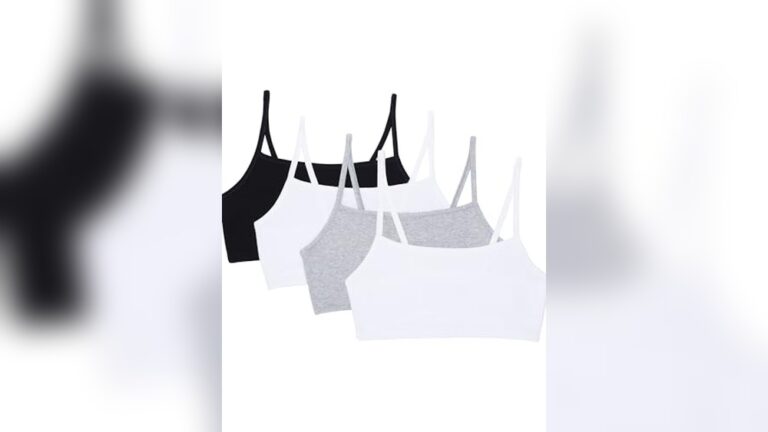
- Sports (encapsulation or compression): Choose an impact level to match workouts.
- Bralette/lounge: soft hold for rest days. Size up if band runs tight.
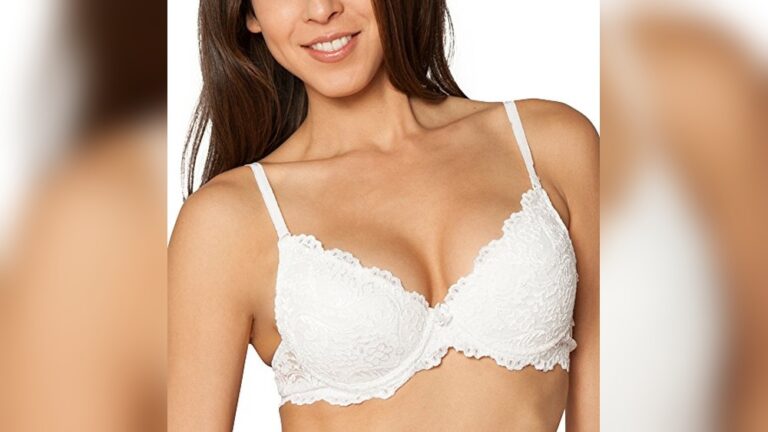
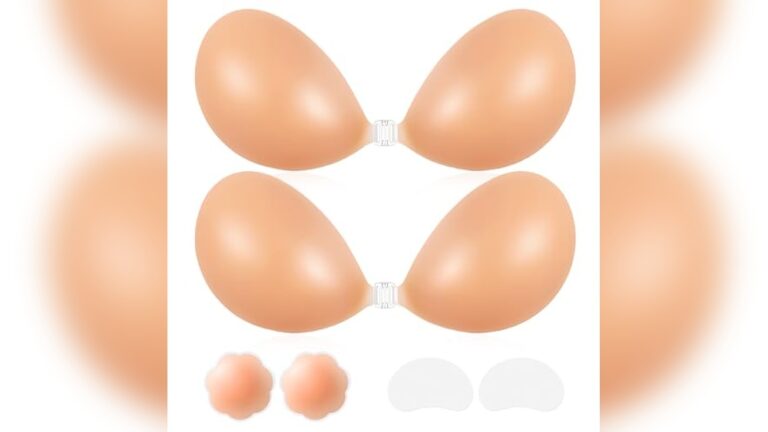
- Strapless/convertible: silicone edges, a firm band, and a curvy top-line anchor under off-the-shoulder or cold-shoulder sweaters.
- Side support or longline provides extra structure for side fullness or soft tummies.
- Nursing/post-surgery: easy access or gentle compression with breathable fabrics.
Style it to your closet and your lifestyle. If your week is tailored shirts and video calls, t-shirt or minimizer styles eliminate gaping and show-through. If you adore deep V dresses, a plunge with narrow gore lays down. Low-to-medium impact bras for yoga and encapsulation sports options for running reduce bounce.
If your closet skews toward wide necklines or seasonal off-the-shoulder knits, a convertible or strapless with silicone edges pays its rent. Think of bras like tools; you select the right one for the task.
Rank order the problem that irks you the most. If straps dig, seek out wider, cushioned straps or a racerback style. If cups cut in at the top, opt for a balconette or stretch lace upper for a gentler top line. If tissue spills at the sides, look for side support panels and taller wings.
If wires poke, a wire-free option or a wire with a softer bend and generously sized cups can assist. Curvy top lines, generous cup depth, and silicone edges can stabilize without choking.
Tinker when faves stop working. Age, hormones, and weight shifts all move tissue. Some gals blossom in soft lounge bras every day, while others sparkle in structured balconettes. Experiment with different styles and sizes, including sister sizes, and seek out a pro fitting – virtual or in-person – to bypass trial and error.
Comfort and simplicity are the winners.
The Fabric Factor
Fabric controls the way a bra breathes, stretches, supports, and endures day-to-day wear, transforming how a size bra feels on the body. Soft, breathable fabrics generally feel gentler on the skin, whereas structured blends sculpt the bust and maintain lift. If your body is shifting—more softness, less bulk, or a different silhouette—fabric selection can be the silent solution that brings back ease and contour without an exhausting size rework. For those searching for comfortable bras, the right fabric can make all the difference.
Breathability counts on long days and in warm climes. Cotton and modal are soft and cool-feeling yet they retain moisture. If you perspire, check for moisture-wicking synthetics like polyamide or polyester with mesh panels. They transport sweat and dry quickly, making them ideal for sports bras. Microfiber is a robust all-day contender; it is silky, airy, and less clingy beneath garments. For heat swings, spacer foam cups create airflow without bulk, ensuring you stay comfortable.
Stretch and longevity are intertwined. Most bras incorporate elastane (spandex) for give, which feels amazing initially but relaxes over time and shifts fit. The Fabric Factor: A greater elastane percentage often equates to increased stretch and quicker give, so look for firmer blends for daily support. Power-mesh wings and lined bands fend off early sag, allowing the band, the real workhorse, to stay put while you enjoy your favorite bra.
If you crave a malleable cup that conforms to asymmetry or monthly fluctuations, seek out stretch-lace or brushed microfiber cups. If you desire sculpted lift, opt for laminated fabrics or spacer foam that retain form. Over time, heavier knits and double-lined cups hold up better than ultra-thin knits, providing the right bra for your needs.
Pay attention to product descriptions. Check the fabric list, not only the style name. Pay attention to fiber percentages, the lace type (stretch versus rigid), and if the cradle and wings employ power mesh. Check care instructions. Many synthetics prefer cold wash and air dry to protect elastane because heat breaks fibers and shortens lifespan.
If you wash a lot, choose sturdy blends and maintain a small rotation to minimize abrasion. A better fabric may be expensive initially, but it rewards you with both fit retention and comfort months later.
Put skin first. If you’re sensitive, scratchy lurex, rough edge lace or stiff tulle at the neckline are a no-no. Go brushed microfiber, cotton-modal blends or bonded seamless styles in irritation-prone areas. For all-day wear, seamless microfiber or spacer fabrics vanish under tees and reduce friction.
If you adore lace, find soft, scalloped edges and lined cups. Dig natural fibers? Go for cotton with elastane for recovery. Like easy care? Choose hardy synthetics that take repeated laundering. A curvy top-line and generous, comfy cups can soften edges, flatter the upper bust, and maintain a smooth silhouette beneath clothing, making your bra selection easier than ever.
Why Your Bra Still Fails
Online size charts and rave reviews are useful, but a comfortable bra can still miss. Bodies evolve with age, hormones, weight gain and loss, and life events. The industry designs around ‘shape’ as well as size bras these days, so the right bra selection requires more than just a single number and letter.
Identify common reasons bras don’t fit even after careful selection
Size mismatch remains the number one offender when it comes to finding the right bra. Nearly 80% of women don’t know their true size bras, leading to bands that ride up, cups that wrinkle, or wires that sit uncomfortably. If the band is too loose, you’ll pursue support with tighter straps, while a too-tight band pinches and inhibits breathing. To avoid this, consulting with bra fit experts can help ensure you find your current bra size.
Style mismatch is the second issue to consider. Breast shape matters significantly: full-on-top, full-on-bottom, wide-set, or close-set. A plunge bra will work for close-set, projected breasts, while a balconette bra flatters full-on-bottom shapes. Women with larger cup sizes often get trapped by styles that seem supportive but collapse by noon. A curvy top-line with amply sized cups can provide the necessary support and comfort.
Lastly, the fabric and construction of your everyday bras can be deceiving. While stretchy lace or soft lounge bras are appealing, they often lack the structural integrity needed for all-day wear. If you’re lounging in bras all day, anticipate droop or digging by afternoon. Opting for a smooth microfibre with firm wings and stabilized cup seams typically offers more lift and comfortable bra support.
Advise reassessing your measurements if bras consistently feel uncomfortable
If straps dig or cups gap or the center gore floats, remeasure. Take a tape in centimeters around the ribcage, snug under the bust, and the fullest bust. Compare to brand charts, then test sister sizes: up one band and down one cup, or down one band and up one cup, to keep cup volume but shift support.
Reassess every 6 to 12 months or following weight, posture, or hormonal changes.
Suggest tracking which brands or styles repeatedly fail and avoiding them
Maintain a basic diary. Record brand, size, style (balconette, plunge, full coverage, wireless), fabric stretch, wire width and outcomes (gore tacks, straps slip, band rides). Patterns emerge fast: perhaps narrow wires always pinch, or stretchy bands ride up.
Skip repeat offenders and lean in to brands that fit your shape profile.
Create a checklist with comprehensive description to identify common reasons why bras may not fit properly
- Band test: Sits level, two-finger comfort, fastened on loosest hook.
- Cup test: No gaping at the top, no overflow at the sides, nipple centered.
- Wire placement rests behind tissue, not on it. The center gore touches the sternum.
- Strap behavior: snug but not lifting the band, no slipping.
- Shape match: style aligns with top fullness, root width, and projection.
- Fabric control: enough firmness for all-day support. Steer away from ultra-soft for everyday.
- Stability features include a curvy top-line, silicone edges, and wider wings if you need stay-in-place support.
The At-Home Try-On
A thoughtful at-home try-on of essential bra styles minimizes the guesswork and helps validate comfort, support, and shape prior to committing to a new bra. Employ a structured checklist, move in the bra, and leave return windows open.
Instruct on testing bras at home by moving, stretching, and wearing under different outfits
Begin with a quick reality check for size. Take a fabric tape or a string and a ruler around your underbust and the fullest part of your bust and see if your current figures still add up. Bodies move; tons of women bounce between sizes across months.
With research suggesting as many as 80% of women don’t know their actual size, a quick gauge can spare you the hassle. Then test action. Lift your arms above your head, do shoulder rolls, waist twists, squats, and take a quick walk around the house.
The band remains level, the cups encapsulate tissue with no spillage at the side or center, and the gore lies flat against the sternum if style tacks. Try different outfits: a fitted tee for seam visibility, a lightweight blouse for nipple show-through, and a knit dress for shape and lift.
Yes, some folks get lucky—order a bra online and nail the fit right out of the box—but not every bra is going to be a home run, especially when ordering with a new brand.
Advise checking for gaping, digging straps, or slipping bands before removing tags
Stand in natural light and inspect the topline of each cup. It should mold to your curve without gaping or digging in. Check the sides for overflow or wrinkling.
Straps should be tight but not tense. If they dig, your band is probably too loose or your cup too small. The band needs to sit even and not ride up. If it rides up, try a tighter band or sister size swap.
Keep in mind that comfort and support are key. A quality bra feels almost weightless during everyday activity.
Suggest taking photos or notes to remember which bras fit best
Record every try-on with tags on. Snap front, side, and back mirror photos in even lighting. Jot down the brand, model, EU/UK/US size, if you used an extra band hook, strap length, and pressure points.
Include outfit tests—“discreet under tee,” “not seen under silk,” “great lift with knit.” This composes a personal fit library, valuable when reordering or shopping for similar styles. The at-home process is frequently trial and error.
We go through multiple rounds to snag the keeper.
Recommend keeping original packaging and tags intact for easy returns if needed
Hang onto boxes, tags, hygiene stickers, and slips in a single location. Verify each retailer’s return window and condition guidelines prior to sampling.
During try-on, wear a thin tee if policy dictates. Online bra shoppers to at-home try-ons are obsessed, while still others like in-store fittings. Either way, your comfort triumphs.
Conclusion
Buying a bra online gets easier with the proper methodology. Begin with precise measurements, then apply brand size charts and sister sizes to fine tune fit. Find brands that offer transparent return policies, a broad variety of sizes and support fabrics that fit your needs, such as mesh or soft microfibre. Focus on styles appropriate to your shape and lifestyle—full coverage for daily lift, wireless for ease, balconette for upper fullness. While trying on at home, look for unstable cup wrinkling or spillage, center gore tack, unstable straps and band tension. Take notes by brand and style. Bodies shift, so sizes shift as well. Update measurements twice a year and anticipate minor adjustments. With patience and a method, shopping for a comfy, supportive bra online becomes doable and replicable.
Frequently Asked Questions
How do I find my correct bra size at home?
To find the right bra size, use a soft tape to measure underbust snugly for band size, and at the fullest point for cup size. Subtract the band from the bust measurement to determine your cup size. Consult the bra brands’ size chart and consider trying sister sizes if you’re in between sizes, as it’s essential to re-measure every 6 to 12 months.
What should I look for in an online bra size chart?
Look for band and cup measurements in centimeters when selecting your favorite bra. Ensure it includes sister size guidance and check out fit notes for every style, especially for comfortable bras and essential bra styles everyone should own.
How can I tell if a bra will fit without trying it on?
Check out reviews from like sizes and explore essential bra styles everyone should consider. Examine product photos and fit notes while picking comfortable bras you already wear. Don’t take big design leaps initially; start with two band sizes and two cup sizes to try on at home.
Which bra styles work best for my breast shape?
Match style to shape when selecting comfortable bras. Complete coverage is best for less firm or soft tissue, while a balconette bra provides lift and is suitable for wide-set breasts. A plunge style works well for close-set or lower necklines, and a T-shirt bra offers seamless cups. To find the right bra, consult brand shape guides and reviews.
Does fabric really affect bra fit and comfort?
Yes. While stretchy knits can be nice for everyday bras, they often provide less support compared to traditional bra styles. Stiff fabrics, such as those found in sports bras, offer additional lift and form, making them ideal for active lifestyles.
Why do bras still fail even when I use my size?
Sizes can differ by bra brands or styles, and factors like weight, hormones, and posture can affect your current bra size. Bands stretch with use, and fabric acts differently, so it’s essential to consult with bra fit experts for the right bra fit.
What is the best way to do an at-home try-on?
Get a few different sizes and styles of comfortable bras, including everyday bras and sports bras. Leave tags on. Perform the scoop and swoop. Check band snugness, cup wrinkling or spillage, wire placement, and strap tension. Wear for 10 to 15 minutes. Walk around. Just keep what fits best and return the rest.