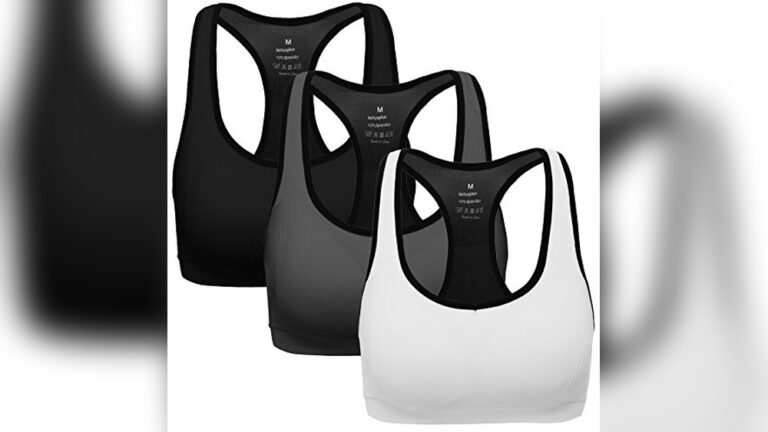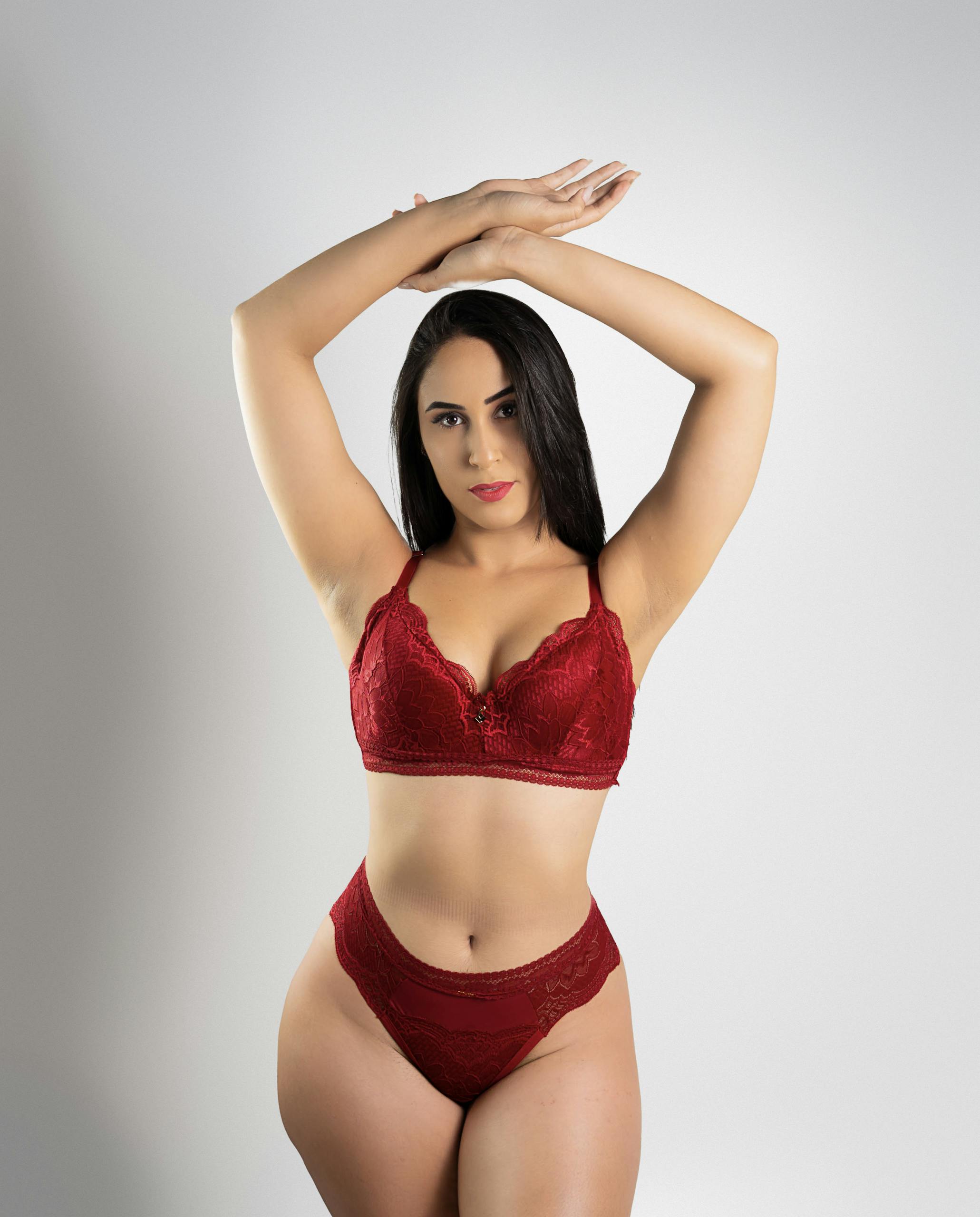
How Push-Up Bras Help With Saggy Breasts: What to Know and Top Picks on Amazon
Key Takeaways
- Breast sagging is natural and caused by factors such as aging, gravity, weight fluctuations, pregnancy, and hormonal changes, impacting breasts of every size and shape. Noticing typical indicators such as looseness, downward nipples, and a loss of fullness aids in establishing realistic expectations.
- Push-up bras use padding, underwire, and structured cups to lift and shape, giving an instant fuller appearance. A good fit with a firm band and well-adjusted straps is the foundation for support and comfort.
- Padding, underwire, cup shape, and band width all serve a purpose in lift and stability. Select padding densities, cup types, and band support that complement your breast shape and everyday activities.
- While push-up bras can make saggy breasts look firmer, they cannot undo sagging. Combine bras with strength training, healthy weight management, and posture habits for more long-lasting results.
- Lingerie is external shaping. It doesn’t restore skin elasticity or collagen. Construct a wider habit that incorporates moisturizing, gentle massage, sun protection, and consistent motion.
- Be sure to measure yourself accurately and try a range of styles: full coverage, sports, minimizer to determine your best fit. Focus on wide bands, supportive cups, and wider straps, and check fit every couple of months.
About: do push-up bras work on saggy breasts? Yes, they can both lift and enhance shape when constructed with supportive elements.
Seek out wider bands, firm side panels, and molded cups that center tissue without digging. Underwire can do the trick if it lies flat, and wire-free styles with good bands deliver great support as well.
For comfort, opt for breathable fabrics and adjustable straps. To address volume loss or shape shifts, we’ll break down styles, fit tips, and sister sizing in the primary guide.
Understanding Breast Sagging
Breast sagging is common and multifactorial. It shows how skin elasticity, breast tissue, and support structures have evolved. Aging decreases the collagen and elastin in the skin, so the envelope holding the breast becomes looser.
Weight fluctuation alters the fat to glandular tissue ratio, which can stretch skin and leave it less filled after weight loss. Pregnancy and nursing entail hormonal fluctuations and volume fluctuation; there is often growth and then deflation of the breast, which can mellow upper pole fullness. Menopause drops estrogen, further decreasing skin elasticity. None of this is indicative of a body issue; it is just regular physiology.
Gravity wins every day. Over time, it drags on breast tissue and the Cooper’s ligaments, which are fine connective threads that give shape. Meanwhile, weakened muscles in your chest and upper back can cause breasts to sag lower, not by physically lifting breast tissue, but because muscle tone can lift the appearance of the breasts.
Posture strength training can enhance how the bust sits on the torso, something like better scaffolding for the same structure. Sagging signs differ. Typical changes include a softer feel, nipples that are more forward or a little downward in their direction rather than up, and a loss of upper breast fullness in favor of more weight at the bottom.
With larger busts, you may see skin indentations from straps or a band riding up because the weight of breast tissue requires extra support. In smaller busts, the movement may appear as a shallow top and fuller bottom and a cup wrinkle near the neckline. Sagging occurs in all sizes and ages, but tends to be more pronounced in larger or heavier breasts or after major gain or loss.
There are distinct shapes. Pendulous breasts hang lower from the inframammary fold, while shallow top/full bottom breasts have less upper pole volume. These distinctions are important when choosing bras. Balconette cups can increase upper fullness in shallow tops, while side-support styles can reposition and lift pendulous tissue, for instance.
Worrying about confidence and comfort are legitimate concerns. A good bra can redistribute weight, minimize bounce and align your posture. Professional fittings assist you in decoding size, shape and sister sizes, which can be the difference between gaping cups and a sleek, supported silhouette.
Others fear that push-up bras worn every day weaken ligaments. Push-up bras do not cause breasts to sag or cause ligament damage, according to the latest research. It turns out that the issue is fit, made from breathable materials, and avoiding bands or wire that dig.
At the end of the day, style is personal. Pick what feels comfortable, appears sleek under your shirt and meshes with how you want to present yourself today.
The Mechanics of Push-Up Bras

Push-up bras utilize structured cups, strategic padding, and rigid frames to push tissue up and inward, developing a youthful, full line. The right bra fit matters most: a snug band, anchored straps, and cups that match your shape turn design features into real support. Everyday wear is OK if the supportive bra fits well. Pain typically indicates a sizing problem, not damage to natural configuration.
| Style | Core Features | Best For | Benefits | Watch-outs |
|---|---|---|---|---|
| Plunge | Angled cups, center padding | Low necklines | Dramatic cleavage, inward lift | Spillover if cups run shallow |
| Balconette | Wide-set straps, horizontal edge | Medium necklines | Upper-cup rounding, open décolleté | Straps can slip on narrow shoulders |
| Full Coverage Push-Up | Higher cups, uniform padding | Everyday shaping | Containment, minimized bounce | Can feel warm in hot weather |
| Wireless Push-Up | Foam lift, firm band | Comfort-first days | Gentle boost, no poke | Less lift for very large sizes |
1. Padding
Padded cups add volume at the base and sides to push tissue up, rounding out the top of the bust and enhancing cleavage. This might help saggy breasts appear centered and lifted beneath T-shirts, blouses, and fitted dresses.
The padding ranges from light to heavy. Opt for a subtle lift during office hours and a stronger push for late nights. Let comfort take priority.
Padding can conceal unevenness. The mechanics of push-up bras are that a molded push-up smooths edges so bodycon fabrics drape clean, particularly when weight fluctuation or nursing has modified volume.
Tailor padding to your slope. Tear-drop shapes typically need graduated padding, whereas shallow slopes do better with uniform foam.
2. Underwire
Underwire frames scoop from the base and provide firm, structured support. They shift weight to the ribcage, which minimizes downward pull that can accentuate sagging.
Location is important. The wire should sit flat at the sternum and trace the inframammary fold without sitting on tissue. If it floats or pokes, choose a different size or cup shape.
Big breasts and heavy breasts get the most benefit from wired push-ups, particularly with a wide gore and firm wings.
Stay away from a size that is too tight. A cup or band that is too small causes bulges, strain, and shoulder grooves that make all-day wear a misery.
3. Cup Shape
Cup shape determines where breast tissue rests. Balconette cups lift from underneath and open the upper pole. Plunge cups center tissue for deep necklines. Full-coverage cups surround and stabilize motion.
For sagging, full-coverage push-ups or high-sided plunges can encase tissue more effectively and reduce bounce while maintaining a sleek line.
For that, structured molded cups create that cleavage and a rounder profile, handy under thin knits.
Pair cup construction with your breast shape. Outer-full breasts might favor taller sides. Center-full breasts sometimes prefer a stiffer gore.
4. Band Support
It’s the band that does all the lifting. A firm, broad band anchors the chassis, minimizes bounce and props up droopy tissue without straining the straps.
Wide underbands and multi-hook closures distribute pressure across the torso, enhancing posture and comfort on long days. Test fit with the two-finger rule at the back; the band should stay parallel to the floor.
Adjustable bands and wider straps assist when weight fluctuates. Quick shifts can stretch skin, and steady support keeps shape. Genetics factors in, so embrace your body, not fight it.
Reassess band tension every couple of months, particularly if you’re a tummy sleeper, which can apply excess pressure to breast tissue. A properly fitted push-up with padding or built-in support lifts, shapes, and avoids unnecessary tension.
Do Push-Up Bras Help?
Push-up bras can help sagging breasts look lifted and fuller immediately. The padding and angled cups make breast tissue come up and in, which gives you more cleavage and a better shape in clothes. For most of us, that immediate polish is a confidence booster, particularly in tight tops or dresses. A supportive bra can enhance this effect, providing the right push to boost your confidence.
Push-up styles give the illusion of larger breasts; some styles boast up to a 200% visual boost, so they’re great when you need more va-voom without the bulk. It comes down to breast shape, tissue density and comfort. Softer tissue usually responds well to structured cups with firm foam, side slings and a tight band.
Fuller or projected breasts might prefer some lighter padding with a taller cup so they don’t spill over. If your breasts are widely set, seek out narrow gores and inward-angled cups to bring tissue center. If they are close-set, a slightly wider gore reduces pinching. Choosing the right bra style is crucial to achieving an optimal fit.
No, push-up bras are not a one-size-fits-all. You might have to experiment with varying degrees of padding, such as graduated, removable cookies, or thin lift foam, and styles of cup, like plunge or demi, to customize the appearance and sensation. A padded bra can also provide additional comfort and support.
Push-ups augment shape and can make breasts appear firmer and more youthful. They do not undo sagging. It’s a temporary, cosmetic effect. I have read that daily push-up wear can cause some ligament stress over time, but the data is sparse and conflicting. Therefore, it’s essential to prioritize finding the correct bra size for your body.
Prioritize a proper fit: a firm band that sits level around the torso, straps adjusted to lift but not dig, and cups that enclose tissue without gaping or overflow. A fit that’s good supports weight through the band instead of straining the straps, which can ease shoulder and neck tension. This is where supportive bras truly shine.
It depends. Certain women wear push-ups all day with zero problems, while some feel squeezed by thick padding or tight underwires. If comfort is your concern, check out wire-free push-up styles, soft foam with breathable linings, moisture-wicking fabric, and wider bands for even pressure. A dependable bra can make all the difference in your daily comfort.
For every day, a light-lift T-shirt push-up usually strikes the right balance between shape and ease. For longer-term support, combine your bra strategy with regular muscle work and consistent weight. Exercises that build the chest, back, and posture muscles, such as push-ups, chest presses, rows, and scapular work, won’t lift breast tissue itself, but they can improve how breasts sit on your frame.
Regular fit checks make a difference. If your size has shifted, think sister sizes to keep cup volume and band firm.
The Limits of Lingerie

Push-up bras do lift, center, and smooth. They only alter the visual from the outside. They can’t bring elasticity back, or collagen, or undo the hormonal shifts. That’s what counts when the girls have taken the plunge of aging, pregnancies, weight fluctuations, or heredity. The foam, underwire, or padding forms a momentary silhouette. Take off the bra, and natural shape comes back.
Push-up and support bras still belong. A good fit style can minimize bounce, enhance posture signals, and make clothes fall better. Moisture-wicking fabrics, multi-zone panels, and adaptive straps can help distribute weight and reduce shoulder grooves. There’s not enough evidence that bras stop sagging. Gravity hums along unseen every day, and even a subtle downward tug alters breast tissue over the span of years.
As estrogen wanes and collagen weakens, skin and ligaments begin to fall. A push-up can compensate for looks, not for biology. Lingerie has its limits. A band that rides up or a cup that cuts in doesn’t support. A band that’s too tight leaves pressure marks and neck tension. If it’s too loose, it shifts the weight to the straps.
Go for a professional fitting or measure yourself at home, and check sister sizes if the cup feels right but the band doesn’t. Compare shapes: demi for upper-cup volume, plunge for centered lift, full-cup for even support, and unlined stretch for softness. For every day, choose a wire-free style with wider bands. For events, opt for a structured push-up with firm foam. Both are true when they suit.
Relying on bras only has consequences. Regular outside lift can cause you to push back and chest muscles to switch off, and there’s even an argument that over time it can make that natural support weaker. Some observe a higher resting nipple position after bralessness, others observe none. The reaction differs by tissue type, age, and exercise. Consider bras technique, not treatment.
Make support part of a broader routine:
- Posture: neutral ribs, lifted sternum, relaxed shoulders. Strengthen upper back and core to distribute the burden.
- Skin health: Moisturize with humectants and ceramides. Think light massage to encourage circulation.
- Movement: Low- to medium-impact activity keeps tissues and fascia supple. The Limits of Lingerie About Trampolines and how to avoid them Use sports bras that minimize vertical and lateral bounce.
- Weight stability: Large swings can stretch skin faster than it rebounds.
- Sleep habits: Side sleepers may prefer a soft sleep bra to limit tugging.
Common lifestyle changes and potential effects:
| Change | Potential effect on firmness |
|---|---|
| Significant weight loss/gain | Skin stretching or deflation, shape changes |
| Pregnancy/breastfeeding | Ligament strain, volume shifts |
| Aging/estrogen decline | Reduced elasticity and collagen |
| High-impact exercise without support | Increased bounce and strain |
| Smoking or poor diet | Collagen breakdown, slower repair |
Choosing Your Best Bra
Finding a bra that supports sagging breasts starts with precise sizing. Measure your underbust snugly in centimeters to get an accurate band size, then measure the fullest part of your bust without compressing tissue. The difference between bust and band guides your cup volume.
Re-measure every 6 to 12 months or after weight, hormone, or life changes. If one breast is larger, fit the cup to the fuller side and use a removable pad on the smaller side. A good quick test is that the band should sit level around your ribcage, and you can slide two fingers under the straps—no more.
A correct size alone lifts the bust, improves posture, and smooths lines under fitted tops, which instantly changes how clothing looks and how confident you feel.
Push-up bras can do the trick for mild to moderate sagging, particularly for bell-shaped or athletic breasts that want upper-cup fullness. Yet, they aren’t your only choice. Full coverage bras provide additional containment and anchor tissue forward.
Wireless bras with molded or laminated cups provide soft shape without pressure points, which is great if wires dig or you have rib sensitivity. Sports bras vary: compression styles hold everything close for movement. Encapsulation styles support each breast individually and can be comfortable for daily wear if they don’t flatten excessively.
Minimizer bras distribute volume to diminish projection and can give a sleeker line in button-downs. Consider breast shape: asymmetric breasts benefit from spacer foam cups or removable cookies. Bell-shaped breasts often love plunge or balconette styles that lift from the base.
Shallow or top-empty breasts may prefer lightly lined, T-shirt, or stretch-cup designs that hug the upper cup without gaping.
Focus on build, not buzz. Seek a firm band with three or more hooks and goose-wing fabric. Wide, lightly padded straps minimize shoulder dig and spread weight over a larger area. Adjust so two fingers easily slip under the strap at the shoulder.
Cups should be sturdy—consider laminated, side-sling, or vertical seams to pull tissue and redirect it forward. Side boning, inner slings, and a taller gore can add stability. Alter your picks based on need as you age, maybe liking more support on weekdays and gentler styles during downtime.
Different bras suit different moments: a plunge for a dress, full coverage for long days, and an encapsulation sports bra for high-impact workouts.
Key factors to consider:
- Accurate size and regular re-measurement
- Breast shape and asymmetry
- Band firmness and wing stability
- Cup construction and seam support
- Strap width and adjustability
- Wire comfort or quality wireless design
- Style for the activity or outfit
- Comfort of fabrics and breathability
- Try sister sizes when close to a fit
- Reassess as preferences and shape evolve
Beyond the Bra
Push-up bras can lift and shape, but achieving long-term firmness requires more than just a supportive bra. A well-designed bra style does wonders for posture and comfort, particularly for those experiencing breast involution or sagging due to weight loss. Fit is everything; the right bra size and bra cup shape significantly influence comfort and performance, especially when considering different bra styles.
Strength training for visible lift
Working your pecs won’t alter breast tissue, but can craft a higher, firmer-appearing chest wall and enhance upper-body support. Chest Presses (flat and incline) with 5 to 12 kg dumbbells depending on level, three sets of eight to twelve reps. Then add dumbbell flies for stretch and control, three sets of ten to twelve, with a slight elbow bend.
Add in push-ups (regular or inclined), cable flies, and planks to train stability. Two or three sessions per week work well, with 48 hours in between for recovery. Couple this with back work — rows and face pulls — for complementary support around the shoulders. Over time, most women experience a more lifted silhouette, even when going bra-less.
Practical habits that help
- Stand tall: ears over shoulders, ribs stacked, pelvis neutral.
- Adjust straps: snug but not digging. Check every few months.
- Choose breathable fabrics to reduce chafing and heat.
- Twist bras to save elasticity. Wash cold and air dry.
- Refit every 6–12 months or after weight change.
- Hydrate and keep my weight steady. Rapid loss can accelerate sagging.
- Sleep on your back or side with your chest supported if it is tender.
- Train the upper back and core to hold posture throughout the day.
- If braless, wear soft layers for support when active.
Posture as instant polish
So can great posture, which can hoist the bust line in seconds. Imagine lengthening through the crown, freeing the ribs, and pulling shoulder blades gently down and back. Desk workers need hourly movement breaks, wall angels, and gentle pec stretches.
A good bra, be it push-up, balconette, or non-wired, can bolster your posture by evenly dispersing weight. A bra alone won’t keep you from sagging. If everyday wear feels prickly, sample flexible bands, wider straps, or go braless part-time. Comfort is key.
Confidence, choice, and body respect
Breast sagging occurs to just about every woman eventually. It’s not a flaw and it doesn’t make you less feminine or confident. They’re scared that regular bra wearing damages ligaments. The research is inconclusive and your habits should conform to your body.
Push-up bras can make you look bustier, but it’s also about being braless. Your choice—bra or no bra—is based on comfort, lifestyle, and how you want to feel in your body today.
Conclusion
So, to summarize, yes, push-up bras can lift and add contour, but they cannot undo sag or alter breast volume. They are a force multiplier, not a cure. For many women, a good-fitting push-up or contour style does an amazing job of boosting confidence and making clothes behave. For others, a cozy, non-wired or full-coverage choice feels nicer and appears sleeker. Fit matters most: correct band size, cup depth, and strap adjustment make the biggest difference.
For long-term comfort and support, rotate styles for varied needs, such as daily wear, exercise, and statement pieces, and hone in on airy textiles and gentle finishes. If your goals involve posture, back comfort, or long-term shape, then supplement with strength training, proper bra care, and body-friendly habits. Your best bra is the one that supports your life, not just your cleavage.
Frequently Asked Questions
Do push-up bras work on saggy breasts?
Absolutely, for shaping and lift, push-up bras offer optimal support by lifting tissue and providing a rounded shape. These bras enhance your silhouette under clothes, but remember, it’s the right bra style and fit that truly matter for achieving long-term results.
Which push-up bra is best for sagging?
Seek out full-coverage bras that offer optimal support, featuring firm underwire, graduated padding, and side support. A wider band and multi-part cups assist in lifting and centering. Opt for breathable, silky fabrics and get a professional fitting for the correct bra size.
Can a push-up bra prevent sagging?
Bras provide support but do not prevent natural sagging; factors like aging, genetics, and weight changes play a more significant role. A supportive bra can help prevent pain and strain while exercising.
Are there better options than push-up bras for sagging?
Occasionally, certain bra styles like balconette, plunge with side support, and T-shirt bras with molded cups can lift without heavy padding. For larger breast sizes, full-coverage cup styles and strong bands offer better, more enduring support.
How do I know if my push-up bra fits well?
Check these signs for the right bra: a snug band on the loosest hook, centered breast tissue, smooth cups with no spill or gaps, supportive straps that don’t dig in, and underwire sitting flat against the chest. Go raise your arms to ensure there’s no shifting.
Will exercises lift sagging breasts?
Exercises fortify your chest and back muscles, which in turn improves your posture and overall appearance. While they don’t actually lift breast tissue, incorporating push-ups, chest presses, and rows can enhance your figure. Pair these workouts with a supportive bra for optimal support and good nutrition for long-term results.
When should I consider a professional or surgical option?
Think bra fit first. If you desire a permanent alteration in contour or location, consult a board-certified plastic surgeon to discuss mastopexy (breast lift). Additionally, ensure you are wearing the right bra style for your breast size to avoid poor support.