Boob Sweat 101: Causes, Prevention Tips, and Organic Cloud Cotton Choices
Key Takeaways
- Breast sweat is a normal cooling response and tends to ramp up with heat, humidity, activity, tight layers, and skin folds. Know your triggers and schedule your outfits and activities to minimize accumulation.
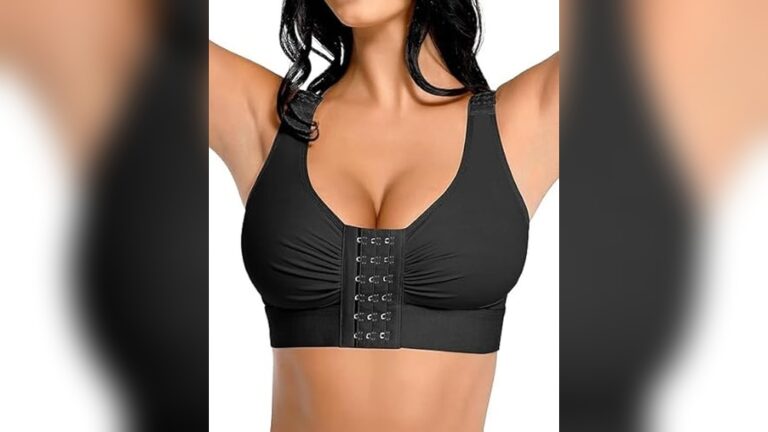
- Opt for breathable support to keep dry. Tuck in. Wear fitted cotton, bamboo, or wicking bras. Rotate clean, dry bras after workouts.
- Opt for intelligent topical care to stay comfortable. Put antiperspirant or mild body powders under your breasts. Steer clear of abrasive scents and sample calming choices such as aloe-based creams.
- Layer on absorbents when necessary. Slip in some reusable or disposable cotton or bamboo bra liners and swap them out throughout the day to stay dry.
- Support your skin and your lifestyle beyond just your wardrobe. Wash daily, maintain good posture for airflow, drink plenty of water, avoid excess caffeine and spicy foods, and manage stress to minimize sweat indducers.
- Look for skin problems and treat them early. At the onset of irritation, heat rash, or infection, cool and dry the area. Apply appropriate treatments and consult a doctor if it persists or worsens.
How to prevent breast sweat begins with breathable materials, a good fit and savvy habits. Light, moisture-wicking bras keep skin dry and reduce chafing. Soft powders or creams with zinc oxide or cornstarch assist in managing moisture and friction.
A close but not constricting band lifts tissue to enhance ventilation. For sensitive skin, seek out seamless styles and fast-dry blends. For hot days or workouts, stash some cleansing wipes and an extra bra in your bag.
Get real about breast sweat – tips for every body, ahead.
Why Breast Sweat Happens
Normal breast sweat response. Breast sweat occurs because there are sweat glands in your chest that help keep you cool, and moisture collects in areas where skin touches skin. Heat, humidity, movement, and tight or synthetic fabrics can all wick and trap sweat and increase friction.
Breasts and skin folds that are bigger do not provide as many new passages for air so droplets stick around and keep the area hot and humid.
Your Body’s Thermostat
When your core temperature rises, your body cools itself by sweating. Eccrine glands secrete a watery fluid that evaporates, pulling heat away. Apocrine glands add gooier secretions that can mingle with skin bacteria and smell.
Both nestle around the breasts. Underboob zones have limited airflow, so sweat droplets form and persist during workouts, hot weather, or even a crowded commute.
When moisture gets trapped and the bra material rubs, friction increases, which can irritate skin and make you feel hotter, not cooler. None of this is a failure; it’s your cooling system working in a tough-to-vent area.
Hormonal Fluctuations
Hormones change how much you sweat and when. Around menstruation, many notice warmer skin and a sudden underboob sheen. During pregnancy, higher blood volume and estrogen can increase sweat gland activity.
Hot flashes during perimenopause and menopause can spike your body heat really fast, so sweat accumulates under the breast quickly. Certain hormonal birth control can alter sweat and odor patterns as apocrine glands are hormone-sensitive.
Monitor changes for a few cycles to identify rhythms you can anticipate. If sweat is profuse, painful, causing rashes or ongoing infections, consult with a professional for evaluation.
Stress and Anxiety
Stress signals the sympathetic nervous system, which activates apocrine glands. That’s why a tense presentation or exam can trigger underboob sweat and stronger odor. Anxiety doesn’t just increase volume; it can change the smell because apocrine secretions break down differently on the skin.
Pinpoint your personal triggers, such as tight deadlines, interviews, and trip days, and prep with open-weave layers and a comfortable, moisture-wicking bra. When you feel your heart rate escalate, whether it’s from a joke, an insult, or a situation beyond your control, remove yourself temporarily.
Diet and Hydration
Caffeine and spicy foods both increase your body heat and activate your sweat glands, so you may observe additional sweating after a hot cup of coffee or a helping of chili. Alcohol and ultra-processed foods might literally dehydrate you or send rebound flushing that warms your chest.
Keeping well hydrated supports thermoregulation, so sweat evaporates more efficiently. A balanced diet with consistent fluids and minerals keeps skin hardy, which comes into play when cloth and skin grind against each other.
Opt for breathable, lighter-weight attire. Synthetics are notorious moisture traps, and heavy or snug pieces bring warmth and chafing.
How to Prevent Breast Sweat

Breast sweat is universal, regardless of age or climate. Heat, snug fabrics, and hormonal shifts can all be culprits. Small, consistent changes go a long way, particularly when bras and fabrics cooperate with your body, not fight it.
- Take a shower every day. Wash gently and dry well under those folds!
- Clean, dry bras. Switch post-workout or hot commute.
- Apply antiperspirant for body use; avoid heavy fragrance.
- Sprinkle a thin veil of moisture-absorbing powder on bare skin.
- Apply a skin barrier balm to minimize friction and chafing.
- Choose breathable fabrics; avoid polyester or satin near skin.
- Psst… Keep an extra liner, wipes, and travel powder in your bag.
1. Rethink Your Bra
A properly fitting bra decreases skin-to-skin contact, which restricts sweat pooling and chafing. If the band rides up or cups collapse, you’re sized wrong. Get fit professionally or measure yourself at home. Sister sizes come in handy when bands feel too tight but cups fit.
Moisture-wicking fabrics are crucial. Polyester or satin might look sleek but they trap heat, whereas cotton and bamboo blends increase airflow and remain drier. Wireless or lightly padded styles breathe better than heavy foam, particularly in the warmer months.
Alternate bras so each has a chance to completely air out between wearings. Sweat trapped in the fibers welcomes stink and chafing. On high-sweat days, opt for a sports bra featuring mesh panels or wear a cooling bralette at home.
2. Choose Breathable Fabrics
Cotton, bamboo, and modal in bras and tops let air flow and moisture evaporate. I would steer clear of polyester or rayon against your skin on warm days. In summer, opt for lightweight, loose tops or linen-blend dresses that skim the body.
Make a cheat sheet—cotton, bamboo, modal, linen—to bring shopping so you can zip through labels.
3. Use Topical Solutions
Body-area antiperspirant, not just for underarms, can curb wetness. Roll-ons are mild. Absorbent powders combat moisture and odor underneath the breasts. Use it lightly on dry skin.
If you’re sensitive, check for calming ingredients such as aloe or lavender and avoid strong dyes or overloaded fragrances. A thin barrier balm helps reduce friction where skin rubs.
4. Try Absorbent Liners
Bra liners—whether reusable cotton or bamboo or disposable—wick moisture off of the skin and keep the band drier. Change them out around noon if you’re on the go, on a trip, or going through menopause-induced hot flashes.
Match shapes (curved, T-shaped, full-length) to different bras and necklines.
5. Adjust Lifestyle Habits
A morning or evening workout translates to cooler air and less perspiration. Flowy tops and airy layers allow heat to dissipate. A pocket fan or cooling powder provides commuter comfort.
Hydration controls temperature, and body wipes keep rapid resets a breeze. Anticipate ups and downs. Pregnancy, cycles, and menopause will all amp up sweat.
The Fabric Factor
Fabric selection affects how much moisture your skin accumulates and the comfort of your bra throughout those long days. Breathable materials minimize sweat beneath your girls, but thick, non-breathable weaves can trap heat and amplify irritation, especially in tight fits that increase friction and skin-on-skin contact.
For quick guidance, here are the pros and cons of common bra fabrics for everyday wear:
- Cotton: pros are breathable, soft, hypoallergenic, and easy care. Cons are that it holds moisture and is slower to dry.
- Bamboo (viscose from bamboo): pros are soft, breathable, and odor-resistant. Cons are that quality varies, it may pill, and it needs a gentle wash.
- Linen: pros—excellent airflow, cool feel. cons—stiff at first, limited stretch, shows creases.
- Modal/Tencel: pros—smooth, breathable, less clingy; cons—costlier, needs care.
- Polyester: pros—durable, quick-dry, strong wicking in technical knits. cons—can trap heat in dense weaves, odor retention.
- Nylon: pros are lightweight, smooth, and supportive. Cons are less breathable and heat build-up in thick cups.
- Elastane blends: pros are fit stability and stretch. Cons are reduced airflow as percentage rises.
Natural Fibers
For everyday wear, 100% cotton, bamboo, and linen breathe, let the air flow, and are soft to sensitive skin. They make your breasts sweat less by wicking moisture away instead of locking it in.
Absorption reduces surface moisture and odor since sweat does not linger on the skin. Opt for lighter weaves and thinner fabrics in warm weather. The thickness and weave density of fabric affect airflow. Seek out looser tops or mesh panels to keep the microclimate cooler.
If you have sensitive skin, look for hypoallergenic labels and steer clear of heavy dyes or finishes. A soft cotton lining against the underbust can prevent chafing where sweat congregates most.
Wash quick. Regular washing eliminates bacteria, deodorant residue, and salts that stain and smell, especially along bands and underwire channels.
Synthetic Blends
Polyester, nylon and rayon can trap heat and moisture if the weave is tight or the fabric thick, potentially increasing sweat and irritation. The right knit can still play.
Favor blends that tout moisture-wicking. Seek out lightweight, mesh or micro-perforated panels and a lower elastane content to maintain airflow.
Scan ingredient lists for contact sensitivities. Certain finishes or rubber-backed elastics can chafe in hot, humid weather.
Go with synthetics for short wear windows, travel or cool days, and natural fibers when the mercury climbs.
Moisture-Wicking Tech
Performance sports bras shine when sweat is non-negotiable. Seek moisture-wicking fabrics that pull sweat off skin and spread it across the surface to dry fast, keeping underboob areas calm.
Focus on brands with technical knits, mapped ventilation and quick-dry liners. Compare features such as grams per square meter for weight, mesh placement, and drying claims in minutes.
Test fit. A stretchy but not constrictive band cuts friction and molded cups with holes boost ventilation. The Fabric Factor. Rotate bras to let elastic fully dry between wears.
Beyond the Bra

Breast sweat is a full-body problem, not a bra problem. Taking care of it mixes posture, skincare, and mindfulness along with some savvy everyday habits.
- Daily habits checklist:
- Opt for airy cottons, skip the clingy tops that seal in moisture.
- Slip a thin panty liner in your bra to absorb sweat.
- Pat skin dry midday with a clean cloth, powder if necessary.
- Pack spare pads or wipes in a bag for hot days.
- Hydrate, moderate alcohol, and stagger caffeine when possible.
- Seek shade and airflow, small desk fans assist.
- Gum friction spots to avoid chaffing, slap on barrier balm as necessary.
Posture
Upright posture minimizes those skin folds underneath the breasts, which means more air can circulate and less heat can build. Less fold-on-fold contact leads to less friction and less sneeze-face-hotspot-sweat pooling.
If you’re more amply endowed or have a shape that folds over itself naturally, posture changes provide significant comfort. Stay away from extended slump sessions. When the ribcage caves in, the chest compresses, ensnaring moisture and warmth.
A great supportive chair, a lumbar roll, or even a pillow behind your mid-back will help keep your spine stacked during long meetings or flights. Short stretch breaks help too: doorway chest openers, gentle thoracic extensions over a rolled towel, and shoulder blade squeezes for 30 to 60 seconds at a time improve circulation and comfort.
Skincare
Wash the area daily with warm water and a gentle, fragrance-free cleanser to eliminate sweat, oil, and bacteria. The skin beneath the breasts is susceptible to chafing since moisture weakens the outer skin layer and friction exacerbates irritation.
Finish with a non-comedogenic lotion or gel to reinforce the barrier without clogging pores. If you’re rash-prone, a thin coating of zinc oxide or petrolatum can minimize friction. Absorbent products or powders, such as cornstarch-free body powders, silica-based or antifungal formulas, help keep skin dry and prevent uncomfortable rubbing down.
Slough once a week with a gentle soft cloth or chemical exfoliant to reduce buildup. Keep clean and dry before dressing. A quick cool blast with a hair dryer on low is great.
Mindfulness
Stress can exacerbate the use of the apocrine glands, which along with eccrine glands contribute to moisture and odor. A two-minute breathing drill, in for 4, hold for 4, out for 6, can dial down spikes.
Set secret alarms to check and freshen on scorching days. Be on the lookout for early signs of dampness so you can change a liner or reapply powder before the chafing begins.
Keep perspective, too: bodies sweat. Breathable layers beat tight clothing and easy decisions minimize smell and irritation without drama.
Potential Skin Complications

Breast sweat can cause moisture in skin folds to become trapped, resulting in friction, an overgrowth of microbes and inflammation. Typical problems consist of chafing, fungal infections and heat rash. Early identification and straightforward, regular attention avert the majority of issues.
| Complication | Symptoms to Watch | Recommended Actions |
|---|---|---|
| Chafing/Irritation | Burning, stinging, raw patches; darker discoloration; fabric imprint lines | Switch to well-fitted, breathable bras; apply barrier balm (petrolatum, dimethicone, zinc oxide); use chafing powder; change damp clothing quickly; avoid rough seams; trial natural fibers (cotton, bamboo) |
| Fungal Infection (yeast) | Red, moist rash with clear borders; itching; satellite pustules; odor | Keep area dry; use antifungal cream/powder (clotrimazole, miconazole); wash and fully dry bras/liners; allow air exposure; see a clinician if no improvement in 5–7 days |
| Heat Rash (miliaria) | Small red bumps, prickling or itch; worsens with heat; minimal scaling | Cool with fan or cold compress; wear loose, breathable layers; apply talc-free absorbent powder; reduce occlusive products; seek care if spreading or painful |
Chafing and Irritation
Friction develops when skin rubs against skin or fabric, particularly in the presence of tight bands, coarse seams, or wet fabric. There are potential skin complications. Synthetic fibers such as polyester and rayon can trap heat in hot weather, exacerbating the irritation.
Contact dermatitis can present if skin reacts to detergents, fragrances, or nickel hardware. Find a supportive, well-fitted bra that lifts without digging. Seamless or soft-cup designs assist. A skin barrier balm or cream, such as petrolatum, dimethicone, or zinc oxide, takes the friction out.
I’m a fan of a mild chafing powder for those long days or workouts. When irritation flares, soothe with aloe or bland emollient lotions. Benzoyl peroxide cleansers can assist if folliculitis pops up, but spot check first. Change out of sweaty tops as soon as possible and steer clear of clingy clothing styles until your skin settles down.
Fungal Infections
Trapped moisture can enable yeast to get out of control, turning normal skin flora into an infection. Anticipate a red, weepy rash with defined edges and roaming “satellite” lesions. Keep the underboob area dry and clean.
Antifungal creams or powders at the first sign of redness or itching prevent escalation. Wash bras, pads, and liners often and dry them fully in the sun or a warm dryer. Rotate bras so elastic rests and moisture clears.
If symptoms linger after a week, see a clinician. Certain instances require a prescription antifungal or, if secondary bacteria enter, topical or oral antibiotics.
Heat Rash
Heat rash appears as small bumps and prickling, particularly post-workout or after a sweaty commute. Cooling works fast with a fan, cool compress, or a rinse followed by a gentle pat-dry.
Wear loose, breathable layers and sweat-wicking bras. Talc-free powders absorb sweat without clogging. Here are ways to avoid skin issues.
When to Seek Advice
Short-term sweat under the breasts is normal. There are obvious moments to bring in a pro for speedier relief and to eliminate issues. Prevention shields your skin and your sanity.
| Symptom or Situation | What It Might Mean | Suggested Action |
|---|---|---|
| Redness, itching, stinging, or a shiny rash | Irritant dermatitis or early intertrigo | Keep skin dry, switch to breathable fabrics, apply zinc oxide or a barrier balm; patch test any new product first |
| Persistent moisture with odor or cracking skin | Fungal or bacterial overgrowth | Use an antifungal powder or cream for 7–14 days; seek care if no improvement in 3–5 days |
| Swelling, warmth, tenderness, pus, or fever | Infection needing prescription care | Act quickly and see a clinician or dermatologist |
| Painful chafing or broken skin | Friction from fit, seams, or activity | Adjust bra fit, try moisture-wicking, seamless styles, use anti-chafe sticks; ask for fit guidance if not improving |
| Sweating that soaks through clothing daily | Possible hyperhidrosis | Consult a dermatologist about prescription antiperspirants, glycopyrronium wipes, botulinum toxin, or oral meds |
| OTC powders/antiperspirants stop working | Refractory symptoms | Seek dermatologist advice for a tailored plan |
| Unsure how to cleanse or dry the fold safely | Risk of irritation from harsh washing | Ask for gentle cleansing routines and drying methods |
| Emotional distress or self-consciousness | Quality-of-life impact | Discuss coping strategies, treatment choices, and support resources |
Be prompt if you notice swelling, expanding redness, or discharge. These aren’t ‘wait and see’ moments. Early care keeps it from getting deeper irritation and scarring.
If redness or itch persists beyond a week, particularly in humid climes or post-workout, book a check-in. A dermatologist can verify if it’s intertrigo, eczema, or a yeast infection and advise you on safe antifungals, mild corticosteroids, or nonsteroid cream.
Consult if OTC products don’t ease your symptoms. If daily antiperspirant, which contains clinical strength of 10 to 20 percent aluminum salts, absorbent powders that include zinc oxide and cornstarch-free antifungals, or barrier creams assist only for hours, you might require prescription alternatives.
Those with underlying causes like hyperhidrosis may need botulinum toxin injections, anticholinergic wipes, or customized combination therapy. None of that is ‘too aggressive’ if it makes you feel better and shields your skin.
Note your symptoms and any triggers to bring to a doctor. Keep track of the time of day, activities, fabrics, detergents, bra styles, weather, and menstrual or hormonal fluctuations.
Record products applied and patch test new ones on a 2 to 3 centimeter area close to the fold for 24 to 48 hours. Photos of rashes over a few days capture patterns.
Above all, seek clean, dry skin. Rinse gently once a day, pat dry, then apply a thin, non-scented ointment barrier.
If irritation or chafing persists, request bra fit tips. Moisture-wicking, wire-free styles with smooth bands can minimize rubbing.
If self-consciousness is grinding you down, talk to a clinician or just a confidante. You deserve compassion as much as fixes.
Conclusion
Breast sweat is normal and controllable and totally nothing to be embarrassed about. Minor modifications have a major impact. Think breathable fabrics, a good-fitting bra with moisture-wicking liners, and quick-dry layers for hot days or gym time. Keep the skin clean and dry, and rotate bras so elastic has time to recover. For sensitive skin, pick up some mild cleansers and barrier creams to minimize chafing. If you notice frequent rashes, changes in odor, itching, or cracked skin, it is time to see a clinician to make sure it’s not an infection or dermatitis. Figuring out your optimal configuration requires some experimentation and that’s okay. Believe what feels good on your body, be consistent in your care, and modify for season, activity, and your needs.
Frequently Asked Questions
What causes breast sweat?
Breast sweat happens when heat, humidity, and friction trap moisture under the breast fold. Tight or non-breathable fabrics make it worse. Hormones, larger breast size, high activity, and warm climates increase sweating.
How can I prevent breast sweat daily?
Opt for breathable bras in moisture-wicking materials. Dry the area with an absorbent cloth or sweat pads. Apply an antiperspirant under the breasts. Change out of wet clothes immediately. Keep cool with fans or airflow.
Which fabrics work best to reduce sweat?
Seek out moisture-wicking synthetics, such as poly blends, or technical sports fabrics. Lightweight bamboo and cotton blends can do the trick if they dry quickly. Avoid heavy cotton that stays wet and traps heat.
Is it safe to use antiperspirant under my breasts?
Yes, several dermatologists endorse applying antiperspirant beneath the breasts. Use it on fresh, dry skin. Opt for a fragrance-free formula first to minimize irritation. Discontinue use if you experience redness, burning, or a rash.
What else can help besides bras and fabric?
Apply body powder or barrier creams to minimize friction. Experiment with sweat-absorbing liners or pads. Keep skin folds fresh and dry. Stay at a healthy weight. Cool showers and fans reduce skin temperature.
Can breast sweat cause rashes or infection?
Yes. Trapped moisture causes intertrigo, yeast overgrowth, or bacterial infections. Look for signs such as redness, itching, odor, or fissures. Address early with mild cleansing, drying, and focused creams. Visit a clinician if symptoms continue.
When should I seek medical advice?
Get assistance if you experience severe redness, pain, constant smell, cracks, bleeding, or fever. Talk to a clinician if OTC care fails after a few days, or if sweating suddenly worsens without an obvious explanation.