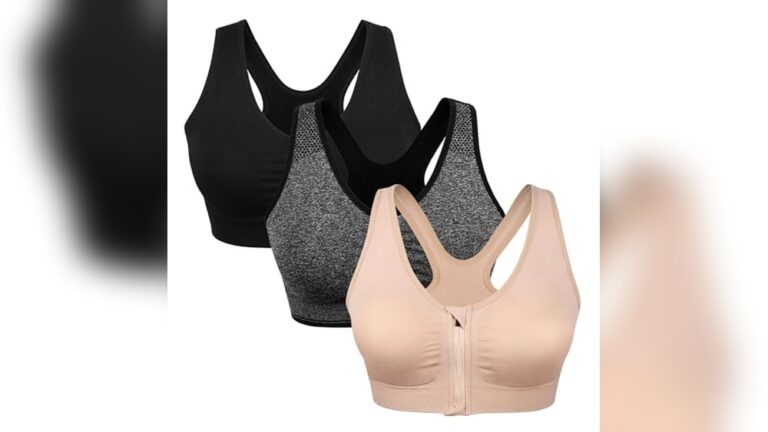
Are Cotton Bras Good for Heavy & Large Breasts: Benefits, Support, and Top Picks
Key Takeaways
- Cotton bras for large breasts offer the best breathability and softness. They reduce sweat, irritation, and chafing and keep skin comfortable during daily wear.
- Support is as much about design as material when it comes to curvy girls. Opt for wide bands, extended wings, reinforced seams and well-engineered cups to guarantee lift, stability and a sleek silhouette.
- Find cotton blends with elastane for stretch and hold. One hundred percent cotton is soft, but blends tend to retain support and avoid stretching out after a while.
- Focus on fit to save comfort and posture. Measure accurately, adjust straps and bands, and try full coverage, supportive wireless, low-impact sports, or structured bralette styles based on activity and clothing.
- Think skin and health needs with hypoallergenic options. Organic cotton avoids exposure to harsh chemicals and can be a safer choice for sensitive skin or after surgery.
- Care and durability prolong performance for big busts. Wash gently, rotate bras, and monitor stitching and straps to keep support and comfort longer.
Yes, structural designs and fabric blends make cotton bras ideal for heavy and large breasts.
Pure cotton provides breathability and softness, which diminish irritation and overheating.
To provide better lift and shape, most styles utilize cotton-lined cups with additional support elements including wider straps, reinforced bands, side panels, and underwire or molded cups.
To get you through your day-to-day, we’ll dissect cotton varieties, blends, and fit specifics that maximize comfort for mature bodies.
Why Cotton Bras Excel
Cotton’s open weave facilitates air flow, regulates heat, and remains gentle to skin, making it an excellent choice for supportive bras. For fuller busts, that means less sweat, less hot spots, and consistent comfort from AM to PM.
1. Superior Breathability
Cotton breathes, letting air move between breast tissue and the bra, keeping large breasts cooler. Less retained heat translates to fewer sweat-dampened regions under the cups and along the inframammary fold.
Compared with synthetics such as polyester or nylon, cotton picks up less moisture and smell, particularly during extended work days or excursions.
Benefits of breathable bras for full chests or heavy busts:
- Cooler skin surface that reduces sweat rashes.
- More stable body temperature across seasons.
- Less under-boob humidity that can lead to chafing.
- Better all-day comfort in layered outfits.
- Fresher feel after commuting or light activity.
Breathability is good for breast health, as it reduces friction-caused irritation and helps the skin barrier remain calm. It’s functional for mature ladies whose skin is becoming less delicate and who are starting to sweat more.
2. Unmatched Gentleness
Cotton’s soft hand is gentle on tender skin. It lays smoothly on the sternum and along the sides, which is a godsend when breast weight creates pressure points.
For breast and nipple sensitivity, the plush, second-skin feel clears the “itchy” sensation that some synthetics elicit. The silkiness minimizes rub along straps, wings, and band edges, preventing chafing on extended wear.
Soft cotton excels in sleep bras and lounging for busty babes who desire gentle support without prickly seams. Tell wires to buzz off with cotton-lined underwire channels or supportive wire-free cotton styles.
3. Natural Hypoallergenicity
Cotton bras are less prone to cause allergic reactions than many synthetics, which may be tinged with irritating dyes or finishes. For women with sensitive skin or textile allergies, cotton is frequently the safer default.
Organic cotton reduces harsh chemical residuals, a bonus for breast health and post-treatment skin. Hypoallergenic cotton can be a mindful option for breast cancer survivors or anyone dealing with sensitive tissue.
4. Everyday Durability
High-quality cotton bras withstand frequent washing and daily wear, which matters when heavy breasts require consistent support. Robust fibers resist pilling and help cups keep shape when lined or laminated.
Strong cotton signifies straps that don’t saw at the skin and bands that remain steady over months, not weeks. Cotton blends, like cotton with elastane, can add longevity while maintaining breathability.
5. Moisture Management
Cotton absorbs sweat and helps wick it away from the chest, which reduces sticky discomfort for large boobs. That moisture control lowers the risk of redness in the fold and along the band.
Although certain synthetics wick sweat at a quicker rate, they can feel clammy. Cotton feels cool and fresh throughout the day and regulates temperature in summer heat and cooler months.
When it comes to working out, cotton-rich sports bras or cotton-lined cups handle sweat and stink without a rubby scratch factor.
The Support Equation
Support, comfort, and style go hand-in-hand, especially in supportive bras designed for larger busts. Cotton’s superb breathability is essential, while a solid design alleviates shoulder and back pain, enhances posture, and can even boost your confidence. The fabric assists with skin comfort and moisture, making it an ideal choice for everyday bras.
Structural Design
Reinforced seams and multi-part panels resist stretching and retain shape against gravity. Cotton on its own can stretch, so clever stitching, power-mesh linings, or cotton blends add structure without added warmth.
For mature breasts with softness or volume shifts, three or four-part cups center tissue and prevent east–west migration, enhancing balance across the chest.
- Inner slings to lift and center
- Side panels to prevent spillage
- Stabilizer fabric at the neckline
- Power-mesh wings for tension control
- U-shaped back to anchor straps
- Double-layered lower cup for vertical support
Large sizes need sturdier construction, including denser cup fabrics, wider elastics, and stronger closures with three to four hooks. All of those specifics reward themselves in daily comfort.
Consider building a simple table to compare: cup parts (two, three, four-piece), sling type (side, inner cradle), wing material (mesh, double-layer), back shape (U, Leotard), and closure rows (two to four). It makes screening quicker.
Band and Wings
The band is the support equation. A wide, firm band (minimum 7 to 10 cm) supports the majority of the weight so straps don’t dig. Select bands that are tight on the loosest hook. You need to have space to pull as elastic relaxes.
Extended wings provide additional surface area and prevent ride-up, particularly on softer midsections. If your skin is sensitive, there are cotton-lined wings available to minimize chafing.
Mesh wings or double-layer bands strike the perfect balance between strength and breathability. They control moisture under hot weather and blistering days.
A supportive waistband keeps cups in place while you move. That stability is what makes the difference between fidgeting all day and forgetting you’re even wearing a bra.
Strap Construction
Adjustable straps dial in fit for slim or wide shoulders and even out asymmetry. Determine lengths so the cup root sits flat against the chest without tugging.
Wider straps distribute load and alleviate grooves. Eighteen to twenty-five millimeter widths do well in larger cups. For super heavy bosoms, seek out padded edges.
Memory foam straps accommodate and soften pressure points and retain their original shape even after long wear. They’re super useful if you work at a desk or commute.
Racerback converters, J-hooks or front-adjust straps adapt to clothing and shift weight toward the center for additional lift when necessary.
Cup Engineering
Molded cups provide a smooth profile. Soft cup (cut-and-sew) designs contour and create with minimal bulk. Cotton-laminated cups provide plush comfort without bending.
Full coverage minimizes spillage and bounce in bigger sizes. It is discreet under workwear and reduces chafing.
Seamless underwire cups lend clean lines under thin tops. Watch for padded wire tunnels and reinforced gore tacks to keep things in place.
Cup engineering can handle uneven sizes through sling placement, stretch lace uppers or removable cookies to even the shape.
Potential Cotton Drawbacks
Cotton may feel soft and airy for full and ample breasts, it introduces compromises that persist day after day.
Pure cotton doesn’t stretch much. Without elastane or a supportive power mesh, cups won’t cling and bands will loosen by lunchtime. That little stretch you anticipate in the cradle or wings isn’t natural to cotton. In larger cup sizes, this can manifest as shifting, gaping at the top of the cup, or straps doing too much work.
A viable compromise is a cotton-heavy cup with a stabilizer lining and a rigid multi-layer band, or a cotton shell with an inner sling of a supportive synthetic.
Shape and lift can mellow. Cotton compresses and can lose recovery, especially if the bra draws support from fabric instead of cut or internal architecture. Without a seamed cup, side sling or underwire channel that maintains structure, you’ll experience a sort of round-but-droopy silhouette after months of wear.
A three-part seamed cup in cotton, or cotton with a non-stretch upper cup, generally holds shape better. If you want 100% natural, accept that you’ll sacrifice some durability. Rotating a few bras and air-drying goes a long way.
Support and compression tend to be less than high-performance synthetics. Cotton absorbs moisture and will remain dry as long as evaporation exceeds sweat, but in hard exercise that equation collapses. Saturated fabric stretches, weight balloons, and jump control plummets.
For workouts, most fuller-bust ladies fare better with a technical sports bra made of polyamide and elastane and wear cotton on light days or for post-sweat comfort.
Care can be fussy. Different parts of a “cotton bra” are not equally cotton. Cups may be cotton, but elastic, thread, straps, and linings are often synthetic for stability. All of them react differently to washing.
Hot water shrinks cotton, heat fatigues elastics, and dyes fade. Potential cotton drawbacks include hand-washing or using a delicate cycle in cool water, closing hooks, using a lingerie bag, and always air-drying. If you like your fabrics 100% natural, be aware that leaving out elastane diminishes stretch.
Blending in polyester or elastane enhances shape retention and colorfastness, but it is a trade-off if you want purely natural.
Durability and ethics deserve attention. Cotton isn’t as hard-wearing as a lot of synthetics. Multiple wear and wash cycles can thin fabric, ripple bands and generally shorten lifespan, which ironically has the potential to result in a bra drawer full of tired bras.
Watch for greenwashing: “organic” or “natural” labels may still hide blends. Search for clear fiber percentages and certifications.
| Consideration | Cotton | Synthetics (e.g., polyamide/elastane) |
|---|---|---|
| Stretch/Recovery | Low without elastane | High, resilient |
| Support/Lift | Moderate; construction-dependent | Higher with less bulk |
| Moisture | Absorbent; slower to dry | Wicks and dries faster |
| Durability | Softer, wears sooner | Generally longer-lasting |
| Maintenance | Gentle wash; can shrink/fade | Easier care, holds shape |
| Purity | Natural option | Not natural; often more stable |
Beyond the Fabric
Cotton bras for heavy large breasts go beyond just fibers; they emphasize fit, support, and design, prioritizing comfort and sustainability for endowed women.
The Sensory Feel
Premium cotton rests peaceably on your most sensitive skin. The fiber’s soft hand decreases friction on fuller busts where the under-bust and side seams experience the most movement. For women dealing with eczema or chafing, combed or Pima cotton can feel incredibly gentle compared to synthetic fabrics. The use of organic cotton cloud fabric ensures that sensitive breast tissue remains comfortable throughout the day.
Cotton’s lightness accommodates long days at the grind and post-grind escapes. A breathable, unlined cotton cup with supportive seams or a laminated lining can carry you through ten to twelve hours without that clingy warmth some microfibers trap. For lounging, a good sleep bra made from double-layer cotton with thick straps feels easy without being braless.
Fine cotton blended to bypass the “itch factor.” Little bits of elastane or modal help garments hold their shape without scratchy edges. Flat seams, brushed hook-and-eye tabs, and tagless labels eliminate hotspots across the back panel and wing, making it perfect for everyday wear.
Soft cotton kisses every touch point—cups, cradle, and band. A plush cotton-lined underband takes the pressure off the sternum, while cotton-lined straps ease the load on shoulders, particularly in 85+ cm bands and large bust sizes.
Psychological Comfort
The support you can feel becomes confidence, especially when wearing a supportive bra like a cotton bra that unites a firm band, wide straps, and seamed cups. This combination helps your posture straighten and bounce diminish, allowing you to concentrate at your desk, on a flight, or during a long commute.
Threads count for comfort, particularly with hypoallergenic, non-irritating linings that ease concerns for rashes or redness. These issues are among the most frequent reasons we abandon traditional bras and migrate to wireless bras. Searches for wirefree options have recently increased by 37 percent in the US and 25 percent in Australia, reflecting this transition.
Fit reduces self-awareness. Encapsulation, not compression, shapes without over-minimizing, allowing garments to skim instead of cling. Side-sling panels in cotton-lined cups can center tissue and prevent gaps, assisting tops to drape effortlessly.
Comfort undergirds body image. Once your bra ceases to be a distraction, self-care seems more accessible, aligning with the larger movement for body-positive, health-first dressing.
A Sustainable Choice
Organic cotton reduces impact relative to a lot of synthetics bras, particularly if dyeing and finishing are managed. Consumers are demanding green lingerie, and organic cotton responds with less pesticides and safer dyeing.
Sustainable farming practices, such as crop rotation, water stewardship, and soil health, support resilience over the long term, not just short-term yields. That holds true when we consider what is closest to our skin each day.
Pure cotton is biodegradable, which assists at end of life should elastics and hardware be stripped away. A handful of brands design for disassembly and provide repair or recycling programs.
Opting for organic cotton means backing fair trade artisans. For a number of labels, that’s factory audits, living-wage commitments and traceable supply chains as the fashion world shifts to conscientious ways.
For the bra pain suffering masses out there, these sometimes wirefree, wide-band, cotton-lined designs are a godsend, and their values align, too.
Ideal Cotton Bra Styles

Cotton shines for breathability and softness, which eases heat, humidity, and sensitive skin. For bigger breasts, like those with large busts, search out supportive bras with firm bands, smart seaming, and materials that mix comfort with support. Remember, sizes run different from brand to brand, so double check size charts and sister sizes.
- Popular types include full coverage, supportive wireless, low-impact sports, structured bralette, cotton underwire T-shirt, balcony with side support, minimizer, and seamless everyday styles.
- Choose by activity, outfit, and preference: office days, travel, workouts, lounging.
- Wireless Bras: Comfortable and supportive options without underwire.
- Underwire Bras: Provide lift and shape with added support.
- Sports Bras: Designed for high-impact activities, offering maximum support.
- Bralette: A softer, more relaxed fit for everyday wear.
Full Coverage
Full coverage cotton bra styles, such as the organic cotton cloud wireless bra, minimize spillage by wrapping more tissue at the top and sides, allowing the cup to support weight instead of the straps. Higher necklines flatten lines under blouses and reduce bounce while commuting or in extended meetings. Most feature firm cups with laminated cotton or cotton-lined panels, which are perfect for D to K cups, making them ideal for women with larger busts.
Seam placement is crucial for achieving the best fit. Vertical seams lift, while side support panels nudge tissue inward for a centered appearance. If you prefer a clean finish, a seamless cotton-microfiber blend can be invisible under knits. Underwire in cotton shells can provide structure without being abrasive, particularly when casings are padded, ensuring comfort for sensitive breast tissue.
The outcome is a natural silhouette with a slight lift that remains comfortable throughout a 10-hour day, making these supportive bras a staple in any wardrobe.
Supportive Wireless
Wireless cotton styles can still feel secure when constructed with inner slings, wide bands, and sturdy wings. Seek out double-layer cups, power-mesh frames, and a tall back to distribute weight. They’re perfect for sensitive skin. Organic cotton and certified allergy-friendly labels can assist if synthetics cause irritation.
They serve as sleep or easy-wfh bras. If you like a little more shape, choose molded cotton cups or darted construction. For extra support without a wire, opt for a U-shape back and fully adjustable straps.
Low-Impact Sports
Cotton sports bras fit walking, yoga, or errands. Moisture-wicking cotton blends keep sweat moving and prevent chafing in hot weather. Racerback and pullover styles keep straps in place so you’re not constantly readjusting mid-stretch.
Size up with care. Compression ought to be solid, not excruciating. A wide hem band with brushed elastic lessens rub on sensitive skin. For cup separation, seek out encapsulation designs with cotton-lined panels.
Structured Bralette
A structured cotton bralette can work for larger busts when it uses wide bands, side boning or panels, and adjustable straps for micro-tuning fit. It glows for layering beneath tees, soft cardigans, and sleep sets, and is particularly gentle on skin when it’s crafted from organic cotton or blended with silk for allergen-free soothing.
Opt for bralettes with hook-and-eye closures so you can get the band tension just right, and look for seamless styles if you want a smooth silhouette under thin tops. The perfect cotton bra styles have the right construction, so you get style, ease, and reliable comfort with no end-of-day soreness.
How to Choose
Cotton can be kind to voluptuous and larger breasts if the blend, construction, and fit conspire together. Concentrate on breathable, soft cotton fabric, and demand supportive bras that actually hold.
Check the Blend
SEARCH FOR 5–12% SPANDEX/ELASTANE COTTON. That slight stretch boosts recovery, prevents cups from sagging and helps the band stay put throughout the day.
Organic cotton blends are gentle on sensitive skin and respond nicely to heat. They straddle comfort and shape retention when combined with elastane, which enhances their utility for everyday wear.
100% cotton is breathable and soft. It stretches out, wrinkles beneath weight and takes longer to dry after sweat. Cotton blends sacrifice some of the “pure” feel for durability, spring-back and lift. For bigger cups, that exchange is generally worth it.
The right blend defies sag, maintains form between washes and sustains support. If you’re a natural-first guy, go for 90 to 95 percent cotton with elastane and steer clear of flimsy single-layer knits.
Assess Construction
Inspect seams, bands, and cup construction. A broad, stable band that is 8 to 10 centimeters high supports roughly 60 percent. Search for firm elastic and a hook-and-eye with a minimum of three vertical hooks for security.
Good stitching makes a difference. Check for reinforced side seams, power mesh wings, and straps anchored that won’t dig. For big cups, wider padded straps take pressure off your shoulders, and straps account for only 20% of support, so you should be able to slide two fingers underneath, not more, not less.
Padded or lined cups assist with shape and modesty. Lightly lined or molded cotton-lined cups prevent nip show-through and stabilize tissue without bulk.
Deliberate design endures. If you can, get two or three to rotate. Replacing bras every six months or so of semi-regular use keeps them performing.
Prioritize Fit
To find the right fit for a supportive bra, measure snugly underbust and full bust to validate your size cotton bra. If necessary, try sister sizes. The band should start on the loosest hook, allowing you to tighten as needed. Focus on adjustable straps and bands; while straps provide lift, they should not bear the entire weight. Approximately 40 percent of support comes from the cups, with the band providing 60 percent.
Target adjustable straps and bands. Straps dial in the lift but should never support the entire load. The cups and band receive approximately 40 percent and 60 percent of support respectively.
Create a checklist for your everyday bra: opt for a breathable cotton blend with elastane, a wide stable band featuring a three-hook closure, reinforced seams, and quality stitching. Ensure you have lightly lined cups, adjustable wide straps, and full-cup coverage.
Create a quick checklist: breathable cotton blend (with elastane), wide stable band with three-hook closure, reinforced seams and quality stitching, lightly lined and/or structured cups, adjustable wide straps (two-finger test), full-cup coverage option, minimum of three bras in rotation, reassess size and replace every six months.
Conclusion
When it comes to cotton bras for heavy or large breasts, it’s clever details, not just fabric, that count. Seek out premium cotton blends with some elastane for recovery, along with sturdy wings, wider straps and firm bands. Full coverage or balcony styles with multi-part cups, side support and optional underwire go a long way to distribute weight effectively. For heat and sweat, breathable cotton linings or moisture-wicking panels assist. For shape, opt for lightly lined cups or a molded inner sling.
To create a dependable rotation, combine cotton bras for daily ease with performance fabrics for workouts or steamy days. Sizes shift as we do, so re-measure and experiment with sister sizes when necessary. Comfort, lift, and durability do not have to be mutually exclusive. Just align features with your shape and lifestyle.
Frequently Asked Questions
Are cotton bras good for heavy and large breasts?
Yes, when made to support, look for supportive bras like cotton bras with reinforced frames, underwire, or strong bands. The breathable cotton fabric offers comfort, while the structure ensures the lift and stability needed for larger busts.
Do cotton bras provide enough support compared to synthetic bras?
Support comes from engineering: band strength, cup seaming, underwire, and strap width. For large busts, cotton blends with elastane and power mesh can often be better than a 100% cotton bra, as they offer lightweight support and superb breathability.
What features should I look for in a cotton bra for large breasts?
Features to look for in supportive bras include a firm band, full-coverage or three-part cups, side support panels, and wide cushioned straps. A cotton-elastane blend with breathable fabric and lined cups enhances comfort, making it a great choice for everyday bras.
Are there drawbacks to cotton bras for bigger busts?
Pure cotton can stretch out, absorb moisture, and dry slowly, which may impact lift and comfort. To address these concerns, especially in warm climates or for extended wear, consider supportive bras made from cotton blends or lightweight support garments with moisture-wicking properties.
Which cotton bra styles work best for heavy breasts?
Full-coverage, balconette styles with multi-part cups and supportive sports bras are effective for large busts. Look for seamed cups, inner slings, and solid bands in comfortable bras, avoiding unstructured bralettes unless they feature wide elastic support.
How do I choose the right size in a cotton bra?
Begin with a professional fitting or measure yourself at home to find the right size cotton bra. Concentrate on a firm (not tight) band, centered underwire, smooth cup fit with no spillage, and straps that don’t dig for maximum comfort.
Are cotton sports bras supportive enough for high-impact activity?
Yes, if they pair cotton fabric with compression or encapsulation and supportive bras. Look for encapsulation cups, wide straps, and a sturdy band. For intense workouts, a cotton sports bra blends with moisture-wicking panels to help with sweat management while maintaining support.