When Is Your Daughter Ready for Her First Training Bra?
Key Takeaways
- Watch for readiness indicators like breast buds, breast tenderness or nipples showing through shirts and use these signs instead of age to determine when to begin. Ask your daughter how she feels and make timing match her comfort.
- Focus on comfort, modesty, and just enough support to assist confidence with day-to-day activities. Opt for soft, breathable, wireless styles that allow unrestricted movement.
- Make this initial purchase a team effort to build trust and reduce stress. Include her in the discussion, the measuring, and the style decisions. Turn the milestone into a celebration.
- Fit is more important than the number on the tag for comfort and healthy development. Measure often, test out a few sizes, and tweak the straps and band for a snug but flexible fit.
- Turn the experience into an opportunity to cultivate body positivity and normalize puberty as a rite of passage. Invite questions, validate feelings, and remind her that everyone blossoms at their own rhythm.
- Get ready for change. Needs will shift with growth and activity. Schedule regular check-ins, swap out old or tight bras, and embrace styles for school, sports, and sleep.
A bra guide for moms: when should you buy your daughter a training bra? The brief response is when she exhibits initial indications of breast growth, typically between the ages of 8 and 13, and starts requesting coverage or comfort.
Watch for signs such as budding under a T-shirt, nipple sensitivity, or energetic days where bounce feels uncomfortable. For light support, begin with soft, unlined bralettes or camis with shelf bras.
To keep it positive, make it about fit, comfort, and her pace.
When to Buy a Training Bra
A training bra is as much about comfort, modesty, and confidence as it is about medical necessity. Puberty can start between 8 and 13 years, and some girls may detect breast buds as early as age 7. The timing depends on her body and her feelings, not an age.
Signs that indicate it might be time for a training bra include:
- Small, firm breast buds forming under the nipples
- Visible nipple show-through under shirts
- Tenderness or sensitivity around breast tissue
- Growth spurts and other puberty indicators, such as body odor and hair growth
- Requests for more coverage or modesty
- Discomfort during sports or school activities
1. Physical Changes
Breast buds or a small amount of chest swelling are the first signs. Buds are small, firm lumps under the nipples which can be tender. It’s a common time to test-drive a soft, seamless training bra or bralette in breathable cotton or moisture-wicking blends.
Sensitivity is healthy. If she reports soreness, opt for a wireless, lightly lined style with smooth seams. It won’t accelerate growth or alter breast shape. It simply prevents chafing and offers light coverage.
If nipples peek through tops, a thin, unlined bralette or a camisole with shelf lining can assist. During growth spurts, frequently between the ages of 8 and 12, she’ll enjoy coverage for PE, sports, or dance. Drawbacks feature sporadic sizing puzzlement. Alternatives include camis, his and her nipple covers, or sports bralettes in drapey fabrics.
2. Emotional Cues
Embarrassment, shame, or avoiding certain clothes can be cues that your daughter is ready. She may avoid changing in front of friends or be concerned about running in the gym.
Pay attention to bra or body change related questions. Make explanations simple, fact-based, and reassuring. There is no health necessity to wear one; it is a comfort decision. If she’s unsure, test out a fuss-free starter bralette at home first, then check back in after a week.
3. Her Own Voice
So, when do you buy a training bra? If she requests a bra before you notice any changes, honor it. If she hesitates, offer options: soft camisoles, unlined bralettes, or sports styles with minimal seams.
Honor all emotions—thrilled, intrigued, or hesitant. Empower small decisions: fabric, color, strap style, and closure. Begin with 2-3, wash and rotate. Comfort and consent trump timelines.
4. Social Context
Peers are beginning to wear bras around 8 to 13 and this can spark the interest. Schools can have dress expectations for PE or uniforms. If teasing occurs, respond quickly.
Address the behavior with adults and equip her with simple language—“Bodies change at different times, and that’s normal.” Take these opportunities to emphasize body confidence, privacy, and respect.
Practical backup: Keep a spare bra or camisole in her backpack for sports days or unexpected growth spurts.
The Purpose of a First Bra
A first bra provides support and confidence as puberty strikes, smoothing the transition from girlhood to adolescence. It’s not an anatomical necessity; it’s largely social and psychological, assisting girls to feel ready as bodies develop, typically starting with breast buds by age 8.
Modesty under your shirt, daily habit-building scaffolding, and maturity feelings all matter, and some girls will elect out—that’s fine.
| Benefit Area | Comfort | Support | Emotional |
|---|---|---|---|
| What it offers | Soft fabrics, smooth seams, breathable feel | Light hold without pressure | Modesty, normalcy, and a sense of belonging |
| Why it matters | Reduces irritation on sensitive skin | Moves with the body, stays put | Eases self-consciousness, marks a milestone |
| Practical tip | Choose cotton blends, tag-free bands | Adjustable straps, stretch bands | Let her pick styles, explain body changes |
Training bras get girls used to wearing underwear every day, looking after clothing, and hygiene. The goal is simple: comfort first, confidence next, and pressure never.
Comfort
Choose soft fabrics and seamless designs that are friendly to sensitive, maturing skin. Search for flat seams, tag-free backs and plush elastics that don’t rub.
Smooth edges disappear under tees and uniforms, which is great for modesty. Wireless styles and breathable cotton blends let skin breathe.
For hot weather or sweaty activities, moisture-wicking materials minimize heat and friction. Forget thick padding and hard boning.
Thin lining or double-layer cups are all you really need as they cover nipples or breast buds without bulking up and feeling awkward.
Check motion! She should stretch, reach for the stars and jog in place. If the band stays horizontal, straps don’t chafe and nothing itches, you’ve landed the perfect fit.
Confidence
Pick coverage that will minimize self-consciousness about nipples and early development. Either lightly lined cups or double layered fabric make day-to-day outfits feel lighter to wear.
Take the opportunity to create a healthy body image. Discuss how bodies develop at varying rates and that every timeline is healthy.
For some girls, the first bra is a rite of passage; others feel bashful. Reiterate that a bra is just part of growing up – never a secret or a test.
If she’s not ready, respect that and come back. Include her and invite her to pick styles and colors she likes.
Either a soft bralette in a beloved color or a straightforward neutral can boost self confidence.
Support
Provide light support that moves with growth without squeezing or flattening the chest. Stretch fabrics adjust week to week, which aids during early transformations.
Select starter bras with adjustable straps and elastic bands to ensure a comfortable, custom fit. Sizing is brand specific, so reverify fit every few months.
Stay away from any underwires or heavy structure for the time being. Light support is important for school, play, and rest.
Test stability for daily activity and gym class. If the bra stays in place and does not ride up or twist, it’s doing its job.
Navigating the First Purchase

Remember: a first bra is not about shaping or lifting; it is about comfort, coverage, and confidence. For most girls, this occurs near age 11, although some are prepared at 8 and others nearer to 13 or 14. Readiness signs include breast buds, small bumps below the nipples, and early breast tissue growth.
Create a simple checklist: confirm signs of readiness, agree on goals (comfort and privacy), set a budget, shortlist soft fabrics (cotton or cotton blends), plan to buy 2 to 3 bras, decide on where to shop, and schedule time to revisit fit every few months. Bring your daughter along every step of the way to alleviate embarrassment and foster ownership.
The Conversation
Open with a clear purpose: a training bra offers gentle coverage and comfort during growth. Describe how it stops the chafing under t-shirts, school uniforms, and sports tops, and it is just another item of clothing that holds up changing bodies.
Normalize it by telling your story, or about sisters, friends, etc. It’s just a common, healthy rite of passage. Stick with her rhythm; there is no proper moment and bodies don’t follow one timetable.
Inquire about fears, such as showing through the sweater, being teased, getting the right size, or having straps show. Think about what you can solve, like seamless bralettes, light liners, or nude tones under white shirts. If she’s uncertain, recommend a layered cami and bralette combo.
Close with reassurance: she can start with one soft bralette, try it at home, and adjust when she’s ready. No stress, just choices.
The Measurement
Proper measurements are crucial for comfort, especially when selecting the right training bra for young girls.
- Measure the ribcage: wrap a soft tape snugly under the bust, parallel to the floor. Record the centimetre count as the band base.
- Check standing bust: Tape around the fullest part, not compressing. Record in cm.
- Check leaning bust: lean forward 90 degrees, measure again. This helps with developing tissue.
- Bust minus ribcage indicates cup size. In initial lots, most will be AA to A or bralette sizes ranging from XS to M.
- Fit test: the band should feel snug, not tight. Straps stay and do not dig. There should be no gapping, pinching, or riding up.
- Re-measure every 3 to 4 months, or if she complains.
The Shopping Trip
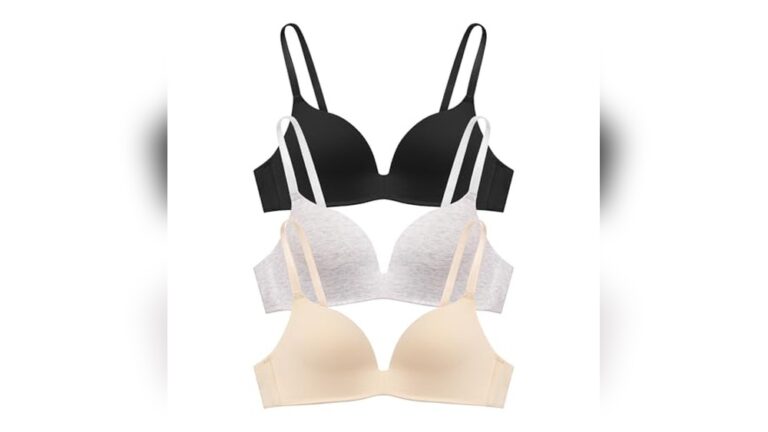
Bring her along to select styles, colors, and materials. Think breathable cotton or cotton-blend bralettes, seamless pull-ons, or lightly lined soft-cup bras for coverage under thin tops.
Choose shops with broad beginner inventories and tolerant clerks. Online is okay if returns are simple. Just order two sizes next to each other and compare.
Try several options: raise arms to check band stay, sit and twist to test comfort, and wear under a light T-shirt to check visibility. Go with two to three bras to rotate as you test for both durability and style preference.
Celebrate the occasion with something tiny—her preferred treat, a snapshot of the bag, a quick scribble—so it remains optimistic and individualized. First Bra? About Navigating the First Purchase. As she grows, expect to outgrow first bras. Fit check and size updates without fuss!
First Bra Essentials
This is why your best first training bra should focus on comfort, fit, and gentle support. It’s about coverage and confidence, not shape or lift. Each young girl matures differently, so there’s no magic age. Concentrate on what makes her feel comfortable and if she’s ready for bra shopping.
- Soft, breathable materials for sensitive skin
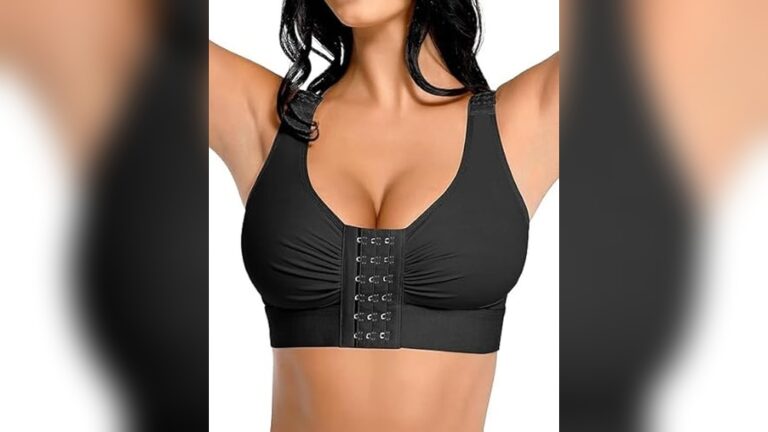
- Adjustable straps and multi-hook bands for growth
- Stretchy, wire-free cups that don’t dig or pinch
- Snug-but-not-tight band; stable straps
- Easy-care fabrics to simplify laundry
- Age-appropriate styles in colors she likes
- Trial wear at home for a few days
Material
Think breathable cotton blends or modal that’s gentle on sensitive skin and wicks moisture. These fabrics minimize chafing during long school days, travel or sports and remain comfortable in hot weather. For the new gals, the sleeker inside, the better.
Forget scratchy lace, stiff mesh, or heavy synthetics that imprison heat. If you desire a pretty touch, select padded or brushed fabrics where any lace sits away from high-friction areas such as under the arm and band edges.
Sensitive skin or allergies? Seek out hypoallergenic and nickel-free hardware. Flat seams, tag-free labels and covered elastics help prevent rubbing.
READ CARE LABELS. Machine-wash cold in a mesh bag and air-dry to keep fibers soft and elastic intact. Easy care counts when this bra is worn a lot and laundered every week.
Style
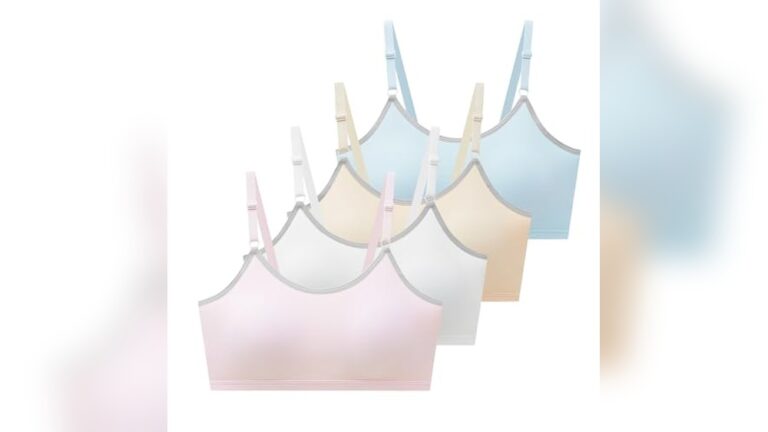
Camisole bras provide light coverage under tees and uniforms and work well early on. Bralettes inject a little more support with soft, flexible bands. Many include removable pads so you can wear them more modestly under thinner tops.
Basic training bras divide the difference, offering light shaping without form. For active girls, a soft sports bra with a wide elastic band and vented front panel keeps bounce to a minimum during PE or dance.
Select pullovers for uncomplicated styling or lightly compressive options to control additional motion. Skirt around adult lingerie silhouettes or deep push-up shapes. They can be confining and convey a message that’s all wrong for this phase.
Make it age-appropriate and still shiny. Color and pattern can be empowering! A school neutral, a playful print for the weekends, and a darker tone for sports make an effortless starter set.
Fit
A tight band offers the majority of the support. It should lay level around the ribcage and not creep upward when she raises her arms. Straps stay put, do not dig, and cups lie smooth with no gaping or spilling.
Let her wear it for a couple of days at home to get used to the sensation.
| Fit issue | What you’ll see | Quick fix |
|---|---|---|
| Band rides up | Back creeps high | Try a smaller band or tighter hook |
| Straps slip | Constant readjusting | Shorten straps; choose narrower-set straps |
| Cup gaping | Space at top or sides | Size down cup or choose stretch cup |
| Digging or red marks | Pressure on ribs/shoulders | Loosen straps; consider larger band |
Allow space to grow with stretch fabrics, removable pads, and multi-hook bands. Replace bras when the band stretches out, cups ripple, or fabric thins, typically every 6 to 12 months depending on growth and wash care.
Fostering Body Positivity

Present the first bra as a utility and a preference, not a judgment on looks. Comfort and feelings come first. Puberty comes when it wants—breast buds show up at anywhere from 8 to 13 and a training bra can assist when she requests modesty, feels self-conscious, or just wants that bit of extra comfort.
Keep the emphasis on being healthy, not on looking a certain way, and be the example for the attitude you want her to embrace.
Normalizing Changes
Puberty is something we all went through, despite its timing. Bodies do not all grow at the same rate. Some girls need a training bra early on and others much later, which is totally normal.
Stories hush solitude. Tell age-appropriate stories, an aunt who rocked camisoles before bras, a coach who lobbied for sports bras, so she observes lots of possible ways.
Educational resources make facts feel secure. Simple health books, trustworthy online diagrams, and school nurse handouts describe breast buds, tenderness, and growth milestones in plain language she can return to on her own time.
Curiosity is good. Encourage them to ask questions at any time, even if they’re awkward. If you don’t know, find answers together. That teamwork creates trust and keeps shame at bay.
Building Confidence
Acknowledge milestones: “You noticed what your body needs. That’s growing up. Celebrate the choices, not just the occasion.
Make the first bra a mini party. A silent shopping excursion, a moment to test new materials, gentle cotton, airy modal, and light stretch proves this is comfort, not concealment.
Encourage her decisions to instill confidence. If she likes a seamless crop for school and a lightly lined bralette for sports, fine. Let her compare bands, check strap adjustability, and do a quick mirror test for fit.
Confidence sprouts from the inside. Remind her that kindness, skills, and effort count more than how she looks. When media or peers press narrow beauty standards, highlight role models—athletes, scientists, artists—who represent a lot of shapes and styles.
Long-Term Perspective
Bodies continue to evolve through adolescence and after. Bras are devices that develop as well. Needs will transition. Training bras, then later a stretchable bralette, then soon different support for sports or growth spurts.
Fit checks every few months help. The band should be snug but not tight, straps should be secure without digging, and cups should be smooth without gaping.
Don’t be afraid to have her speak up when something rubs, shifts, or pinches. Comfort is the signal, not the tag number. Sister sizes and soft fabrics fix a lot of problems without the theatrics.
Settle transitions calmly. When she’s ready to graduate from her training bra to a regular bra, approach it like you do stepping up to cleats for a new sport — intentional, respectful and unhurried.
Let the dialogue continue. Body positivity is a continuous process, crafted by patience, varied role models and daily validation.
Addressing Common Concerns
This step tends to prompt questions about timing, congruence, and comfort. The majority of girls begin breast development somewhere between 9 and 14, but the right time has more to do with her own comfort than an arbitrary date. Some girls need coverage at the very sight of slight breast buds, while others wait until motion is annoying during physical activities. Both are natural aspects of growing up.
Pain is a common concern for many young girls. Focus on soft, breathable fabrics and a smooth band when selecting a training bra. Sensitive skin loves organic cotton or modal, flat seams, and tag-free labels. If elastic itches, seek out brushed bands or encased seams to ensure comfort.
For starters, unpadded bralettes or light, unlined beginner bras provide gentle support without bulk. Think stretch cups that flow with her body instead of pressing against it. If her nipples are peeking through thin shirts and she wants more coverage, try a double-layer bralette or removable, ultra-thin inserts—nothing stiff or heavy!
Embarrassment occurs, particularly at school or within athletics. Make it normal. Tell her that bodies develop when they want to and privacy is her decision. Offer discrete options: neutral colors under light tops, racerback bralettes under uniforms, and seamless styles under fitted tees.
If locker rooms stress you out, pack a zip pouch and a quick-change top. For self-conscious days, camis with built-in shelf bras can fill the gap.
The right size is more important than simply labeling it a “first training bra.” Focus on fit and feel before fashion. Measure comfortably: underbust snug but not tight, overbust relaxed and natural. If measuring isn’t practical, try two or three sizes within a range and judge by these checks: the band sits level around the body, straps don’t dig or slide, and cups lie flat without gaping or pressing.
Sister sizing can assist if the band is too constricting but the cups fit well. In that case, step up one band size and drop down one cup size. Keep it simple: a well-fitting soft bra often beats a cute but fussy style.
Resistance takes time. Encourage her to wear her new bras at home only for short time intervals, then gradually increase to a full school day. Spin through two or three favorites to find what really works—perhaps a soft tee bralette for everyday, a seamless one for fitted styles, and a racerback style for sweat sessions.
Stay in touch. Inquire on how it feels post-class, during PE, and sitting for extended periods. If straps chafe, opt for wider straps or a racerback style. If the band rides up, go for a smaller band or more hook positions.
In the end, she dominates the schedule. Hear her, her body, comfort, confidence.
Conclusion
Growing up is filled with tiny milestones, and a first bra is certainly one of them. Comfort, coverage, and confidence matter, not age. Watch for tell-tale signs such as sensitive nipples, budding, or your daughter requesting support. Start easy with soft fabrics, light lining, and adjustable straps. Keep sizing loose with sister sizes and anticipate shifts as her form matures.
Try to remain open in the discussion. Ask what feels good, what doesn’t, and how the bra fits at school or sports. Normalize returns and refits. Support her with body-positive words and real options, from sports bras to lightly lined styles.
Bottom line: A training bra is about comfort and readiness. Go at her speed, select quality staples, and transition as she matures.
Frequently Asked Questions
How do I know it’s time to buy my daughter a training bra?
Watch for early signs of breast budding, nipple sensitivity, and the desire for a first training bra. If she requests one or experiences discomfort while moving, it is time for the right training bra.
What is the purpose of a training bra?
A first training bra provides light coverage, modesty, and comfort for young girls. It can reduce friction under clothes and help her start wearing the right training bra, encouraging body consciousness without contouring or constraining development.
What type of first bra should we choose?
Begin with a soft, seamless first training bra or cotton training bra designed for preteens. Opt for breathable fabric and a wide underband to ensure comfort during physical activities, making it an ideal beginner bra.
How do I find the right size for a first bra?
When bra shopping for your young girl, measure around the chest just under the bust to get the right fit for her first training bra. Check for comfort: no gaping, riding up, or digging, ensuring the straps hold without strain.
How many first bras does she need?
Begin with two to three good bras, including a beginner sports bra if she is active. This keeps bras clean, stretches elasticity, and provides comfort for school and play during the preteen transition.
How do I handle her body changes with positivity?
Use open, calm language to normalize growth as healthy and unique to her. Let her take the lead on bra shopping decisions, focusing on comfort with the right training bra, not fashion. Make a party out of the occasion, respecting her privacy and consent at fittings.
What if she feels discomfort or skin irritation?
Opt for soft, breathable, tag-free designs when selecting the right training bra for your young girl. Wash prior to initial wear, and if irritation continues, experiment with a new size or style, like beginner sports bras for comfort.