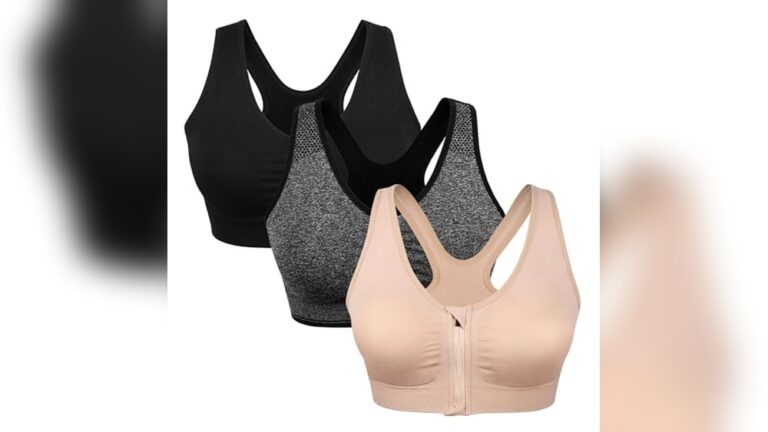
Lace vs Cotton Bras: How to Choose the Best Fabric for You
Key Takeaways
- Lace brings decorative flair and a delicate lightness, while cotton provides soft, breathable comfort for daily wear. Depending on your skin sensitivity, your desired look, and intended wear time, choose accordingly.
- Cotton is typically less irritating, breathes better, and absorbs moisture, which is good for hot or humid climates. Choose cotton or cotton blends for everyday and active days, and don unlined lace for breathability when you’re aiming for a dressed up vibe.
- Support is about construction, not fabric. Seek underwire, multi-part cups, and firm bands in lace for support. Opt for well-constructed cotton or blends that won’t lose their shape.
- Lace can snag and requires delicate care. Cotton resists wear and is simple to launder. Hand wash lace and air dry. Machine wash cotton on gentle in cold water, and rotate bras to prolong life.
- Pricing and availability across designs and detailing. Cotton bras are easy to find and tend to be less expensive. Fancy lace designs can be pricier and create a finished, confidence-enhancing aura for special events.
- Experiment with blends and tech fabrics for a happy medium. Think cotton and spandex for flexibility, lace and nylon for endurance, and moisture-wicking fabrics for drying and smell control on active days.
Lace vs. Cotton bras: which fabric is best for you depends on your priorities, including comfort, support, breathability, and style.
Cotton provides softness, breathability, and simple maintenance, which is perfect for sensitive skin or hot weather. Lace provides airy structure, refined texture, and fluid stretch, usually in contemporary, soft blends that feel like a caress.
For mature women experiencing sagging or volume loss, fabric choice translates to shape, lift, and all-day comfort. To compare fit, durability, and use cases, the following sections separate it clearly.
Comparing Lace and Cotton Bras
Two fabrics, two distinct experiences: texture, appearance, and function diverge. Lace is pretty, airy, and can feel either dainty or tactile. Cotton is smooth, matte, and usually softer. Lace seduces with intricate designs, and cotton provides functional comfort. Both can be supportive, but they do it differently to fit different lifestyles and climates.
- Common reasons to choose lace:
- Elegant look for special occasions.
- Feminine flair under low neck tops.
- Flattering shape for small breasts.
- Style when straps peek out.
- Common reasons to choose cotton:
- Everyday comfort and softness.
- Cotton is breezy on hot or humid days.
- Good for sensitive skin or allergies.
- Simple care and a large size range.
Price and availability: Cotton bras span affordable basics to mid-range sets and are widely stocked in most sizes. Lace varies more, ranging from affordable to high-end, with some extremely intricate patterns and a few collections offering extended sizes.
Lifestyles: Cotton aligns with commuting, long desk days, travel, and workouts, especially cotton blends. Lace pairs well with events, evenings out, and outfits where aesthetics matter.
1. Feel and Comfort
Lace can feel fragile and a bit scratchy against the skin, particularly at the edges and seams. Good stretch lace mellows that feeling. Delicate skin will feel the band and neckline rubbing.
Cotton tends to be softer and less irritating. It molds to the body, reduces chafing, and keeps skin calm during extended wear.
Seams and lining are important. Soft microfiber linings under lace reduce scratchiness. Seamless cotton cups reduce pressure points. Wire channels, elastics, and tag placement determine if a bra vanishes or diverts.
Table tip: Compare comfort for desk work, travel, light exercise, and lounging.
2. Breathability
Cotton tends to provide more air flow and absorbs moisture, which helps keep skin cool and dry.
Lace’s open weave breathes. Extra lining or foam can trap heat. In hot or humid climates, unlined lace or cotton blends with moisture-wicking fibers work best.
Side-by-side breathability ratings help list unlined cotton, cotton blend, unlined lace, and lined lace.
3. Support and Structure
Most lace bras combine other technologies, such as adding underwire, side slings or multi-layer cups for lift. Cotton bras rely on patterning—seamed cups, wider bands and sturdy wings—because the fabric stretches more.
Shape over time: reinforced lace holds contour well. Pure cotton can relax with washing. Lace and cotton bras: for larger busts, the structured lace or cotton with power mesh styles work better than thin, stretchy styles.
4. Durability
That lace can get snagged or torn if a zipper or rough wash cycle catches it. Cotton takes well to washing and if the fabric is of good quality, doesn’t pill.
Color and elasticity: Deep hues in lace may fade. Cotton fades more predictably. Cold water, mesh bags, mild detergent, and air-drying prolong life for both.
5. Appearance
Lace introduces ornamental swirls, transparent interludes and immediate sophistication, perfect for a night out or whenever you’re feeling that girlish vibe.
Cotton feels simple and classic with wide color ranges. Under clingy tees, smooth cotton or lined lace t-shirt styles remain invisible. For workdays, choose cotton or subtle pattern lace. For evenings, opt for decorative lace balconettes.
The Allure of Lace
Lace has always had a subtle luxury and sense of femininity, frequently combined with silk or satin for an architectural, sultry appearance. It’s a go-to for fancy-pantsy occasions and matching lingerie ensembles, but it cascades into day-to-day closets to infuse effortlessness and whimsy. From delicate eyelash trims to bold geometric motifs, the patterns really run the gamut and leave a lot of room for individuality.
Most girls just feel better in lace, even if it’s popping out from beneath a blouse or taking basic loungewear to new heights.
Strengths
The greatest thing about lace is its surprising lightness when used in unlined or lightly lined constructions, allowing a little airflow to keep you cool. Certain meshes are quite breathable, particularly openwork styles which allow heat to escape. For hot weather or action-packed days, that breezy sensation is appreciated.
The right lace can lay flat under garments. Flat, bonded edges and scalloped trims with no bulky seams vanish underneath sheer knits. T-shirt dresses, silk blouses, fitted tops – you name it – all look good with those subtle finishes.
The fashion spectrum is vast. There are demi cups, longlines, plunge shapes, and bralettes in endless shades and patterns—from soft beige and rose to emerald, oxblood, and cobalt. Coordination briefs or bodysuits make cute sets, handy for occasion dressing or when you want your bottom layer to look considered.
The stretch lace provides a fit that expands with your monthly fluctuations or grows with the years. For shifting volume or minor asymmetry, stretch cups mold without squeezing while side boning or a power-mesh wing can keep shape.
Weaknesses
Lace can catch or rip on jewelry, abrasive laundry, or even a textured sweater. Delicate fibers fray faster, so rotation helps. Many wearers find themselves swapping out favorites every year or so if worn often.
Others incorporate synthetics that trap heat. If your skin runs hot or is sensitive, seek out softer fibers, wider underarm panels, and cotton-lined cups. If itchiness creeps in, a lace overlay with a smooth inner lining cures most problems.
Care is more high maintenance. Hand wash in cool water with a gentle detergent to save elasticity and trimmings. Machine wash in a mesh bag on a delicate cycle. Air-dry flat. These prevent the lace’s shape and curling edges.
Support may come up short in lace-only bralettes or soft cups, especially above a mid-range size. Think lace on bedrock and supportive fabrics or opt for underwire, side slings, and multi-part cups. It maintains the sophisticated aesthetic while providing support for daily use.
More often than not, that balance transforms lace from a ‘special occasion’ into a workhorse.
The Comfort of Cotton
Cotton deserves its reputation for softness and calm-on-skin comfort. Being a natural, hypoallergenic fiber, it is perfect for sensitive skin and allergy-prone bodies, whether hormonal or postmenopausal. The touch is familiar—cotton bras are like a favorite T‑shirt for many—making them reliable for all-day, every day wear, travel days, or long days in the office.
Breathability and airflow are ideal for warm days or active days, with cotton jersey and organic cotton styles infused with soft stretch and reduced irritation. Versatile across slouchy bralettes and airy sports styles, cotton promotes easygoing habits free of hassle.
Strengths
- Breathability and sweat absorption are cotton’s signatures. Air circulates the fibers and moisture wicks off, decreasing heat and chafe in the underbust, side panels, and straps. In hotter regions or during a stroll to work, that chill counts.
- Care is simple. Most cotton bras wash well at 30 °C to 40 °C with mild detergent, then reshape and air-dry. No special wash bags are required for simple styles, and spot-cleaning salt rings or sunscreen stains is a breeze!
- Rugged enough for every day. Cotton jersey bralettes stand up to weekly cycles. Everyday t-shirt bras and wire-free lounge styles. Reinforced seams and double-layer cups make it last even longer, especially in versatile neutrals that clean up nicely.
- Bonus: it’s inexpensive. In contrast to specialty meshes or premium laces, cotton styles tend to run cheaper, allowing you to rotate more bras to minimize wear and maintain a consistent fit.
Weaknesses
Cotton can get stretched out, particularly in high-stretch areas such as wings and straps, or hot washes that shrink materials. Opting for cotton and elastane blends, or designs with lined cups and side slings, keeps everything nicely structured without compromising comfort.
Decorative options aren’t as abundant as lace. If you’re after dainty or lacy edges under a sheer blouse, cotton won’t provide the same result. A practical workaround is to look for cotton with small embroidery, picot trims, or lace-appliqué overlays that keep skin-facing layers cotton.
Drying is slower. Dense cotton cups and bands require an entire day on a rack. Squeeze excess water out with a towel and lay flat to dry near air flow. Carry a travel-friendly quick-dry backup when traveling.
Lines can peek out from under tight clothing. Thicker cotton seams and textured knits can imprint under fitted tops. Seamless cotton jersey, bonded edges, and lightly molded cups provide a smoother appearance beneath figure-skimming styles.
Checklist for Sensitive Skin
- Do: choose organic cotton. Verify soft-tag or tagless test inner elbow. Wash before wearing. Stick with mild detergent.
- Don’t use fabric softener. Don’t machine dry on hot. Don’t wear wet. Don’t forget coarse seams. Don’t skip rotating bras.
Beyond Pure Fabric

Fabric is more than just lace or cotton bras; different bra materials can significantly affect how a bra fits and holds its shape. New blends and breathable fabrics alter durability while maintaining sleek styles beneath clothes.
| Blend | Typical Composition | Key Benefits | Best Use Cases |
|---|---|---|---|
| Cotton–Spandex | 90–95% cotton + 5–10% elastane | Stretch, shape retention, less wrinkling/shrinking | Everyday wear, T-shirt bras |
| Lace–Nylon | Nylon base with elastane; lace overlay | Delicate look, strong structure, lighter weight | Occasion wear, date-night styles |
| Microfiber–Elastane | Polyester/nylon microfiber + elastane | Second-skin feel, smooth finish, durability | Under fitted tops, travel |
| Modal–Elastane | Modal + elastane | Exceptional softness, drape, long-wear comfort | Long shifts, sensitive skin |
| Bamboo Viscose–Elastane | Bamboo viscose + elastane | Breathability, eco-leaning, soft hand | Warm climates, lounge bras |
Modern Blends
Cotton and spandex provide soft stretch, making it easy to find the perfect bra that flexes with you without sagging. Lace and nylon keep the floral sharp while remaining lightweight and airy. Microfiber bras offer a second-skin sensation, sliding effortlessly beneath sheer tees. Modal feels silky soft even after hours of wear, making it ideal for everyday styles.
Blends enhance stretch and fit by combining stable fibers with elastic ones. Elastane aids in strap recovery, minimizing slip, ensuring that your support bras remain comfortable throughout the day. Bands rebound after washing, so the support stays consistent.
They’re more wrinkle and shrink resistant than pure cotton, especially with elastane or nylon. Often, color stands up longer, which is significant for darker tones and prints.
Beauty with function is achieved when a lace overlay adorns a microfiber canvas. You enjoy the unique benefits of framework and provocative texture without irritation. If all-day lace seems too fussy, opt for lined lace or lace just on the cradle with sleek cups.
Tech Fabrics
Moisture-wicking and antimicrobial finishes pop up in sports bras and daily styles these days. Non-cotton fabrics can be incredibly soft and comfortable because the industry has advanced quickly from yarn science to seam welding.
In motion, tech fabrics whisk sweat away from skin, minimize cling and help maintain consistent temperature. Quick-dry fibers work after workouts, during travel or on blazing commutes, particularly in humid environments.
Compare them to traditional lace and cotton by asking: do you need airflow, fast dry time, or a plush feel? Cotton breathes well, but can hold moisture. Tech mesh, nylon blends, or polyester microfiber dry quicker and tend to pill and fray less, which adds longevity.
Think sustainable as well. Eco-friendly options like bamboo viscose, modal or Tencel reduce impact as compared to traditional synthetics. Blends are all different. Lace can be silken or satin-rich and gorgeous, but it has to be hand washed and its environmental footprint varies based on fiber source.
Go with organic cotton or silk lace when you can for a more responsible choice.
When to Choose Which
Pair fabric with purpose, skin requirements, and care routines. Use a quick checklist: skin sensitivity, support level, visibility under clothes, climate, outfit, and care routine.
Scenarios:
- Daily, long hours, warm climates: choose cotton or a cotton-blend for breathability and softness.
- Office or travel, minimal lines: seamless cotton or smooth moisture-wicking styles.
- Sensitive or allergy-prone skin: 100% organic cotton or hypoallergenic blends.
- Special events, lingerie-as-confidence: lace or lace over mesh for elegance.
- Active days or commuting: cotton blends or tech fabrics with ventilation.
- Delicate laundry tolerance low: easy-care cotton over fragile lace.
- Desire for luxury daily: soft lace-lined cups or lace accents without full lace.
For Daily Wear
Go with cotton for all-day comfort, especially with breathable cotton bras. These natural fibers are soft, kind to skin, and perfect for those who prefer comfort. That’s why so many gravitate towards cotton on most days.
If you run warm or live somewhere humid, cotton mitigates heat build-up for eight to twelve hours of wear. Craving style but not wanting to sacrifice comfort? Seek out lace-lined or lace-trimmed cotton bras, which combine elegance with everyday wearability.
You’ll get a whiff of class while your feet still kiss canvas. It is a nice compromise for folks who enjoy aesthetics in a workday. For invisibility under shirts, seamless cotton or seamless cotton-blend bras fare well.
They provide a smooth, second-skin feel and encourage airflow, with select styles incorporating moisture-wicking to keep you cool. Daily pieces should be easy care, especially if you choose cotton bralettes.
Machine-washable, colorfast cottons with hardwearing elastane are a huge time saver and lifespan extender, particularly if you alternate between two or three bras.
For Special Occasions
Lace dazzles with its polish and screen appeal. Most choose lace for date nights, weddings, or events as it contours the body gorgeously and matches well with formal fabrics.
Try padded, molded, or embellished lace for support and a refined shape. Light padding smoothes, while appliques or scalloped edges enhance basic dresses. Of course, gorgeous lingerie can boost confidence.
Even if nobody notices it, you feel composed and deliberate. Match lace to outfits: Low necklines, sheer blouses, or open backs often benefit from lace balconettes, plunge cuts, or longlines for clean lines.
For Sensitive Skin
Go for 100% cotton or organic cotton first! Cotton’s hypoallergenic nature reduces irritation and friction during hormonal shifts or postpartum. If you flare easily, avoid rough or synthetic lace touching the skin.
If you adore the aesthetic, select lace overlays with cotton linings. Hypoallergenic blends, such as cotton with modal or bamboo viscose, can be gentle alternatives. Go for soft linings, wide bands, clean seams, and tagless labels.
Choose anything to cut down on the rubbing.
For Active Days
Select cotton blends or technical fabrics that wick sweat. Moisture control is important whether you’re hiking 10,000 steps in the summer or commuting in the heat. Lace is usually not supportive or comfortable for working out.
Let it fly for cooldown, not cardio. Breathable panels, mesh zones, and quick-dry interiors assist with airflow in sports bras. Look for stretch and stability: firm underband, encapsulation or compression, and straps that resist bounce without digging.
Caring for Your Choice

Care, comfort, and keeping fit is only consistent. Lace and cotton wear differently, but both pay off for good care. Read labels, use lingerie bags for delicates, and rotate bras so each pair rests 24 to 48 hours between wears. Elastic needs recovery.
Tender loving care guards dainty lace against snags and allows cotton, a natural, hypoallergenic fiber, to maintain shape and color. The right routine counts. Your fabric selection impacts your daily comfort, particularly on precious skin.
Washing Lace
Hand wash in cool water with a gentle, lingerie-safe detergent to maintain the integrity of the delicate threads and any elastic trims. Lace adds class and refinement, but its open weave snags like crazy, so reduce rubbing.
Don’t wring or twist it. Press with a towel to remove water, then air dry flat on a rack to maintain elasticity and cup shape. Hanging by straps stretches them, and laying flat supports the weight.
P.S. Store lace bras individually. Treat your selection with a drawer organizer, keep hooks hooked, and store in a soft pouch when you travel to avoid zipper or button snags.
A lingerie bag during a rare machine wash is a good option if handwashing seems unimaginable. If you’re concerned about irritation, opt for lace-lined cups backed with cotton against the skin. You have the style without sacrificing comfort.
Washing Cotton
Machine wash gently in cold water to minimize shrinking and fading. Cotton is breathable, soft, and a favorite for everyday wear, so easy care is a big plus for hectic schedules.
Put ’em through on a gentle cycle, close all those dangly hooks, and throw your ‘ettes in a lingerie bag to minimize snagging on the rest of your laundry. Air dry if you can, and tumble dry on low if needed. High heats mess with elastic and warp cups.
Cotton bras can be washed more often without harm than delicate lace, which is handy for humid climes, workouts, or the girl with sensitive skin who needs a fresh bra every single day. Switch between a couple of pairs to prolong life.
Some weaves are tougher than others and longevity depends on care. If you like extra softness, seek out combed or Pima cotton. For faster drying, cotton and elastane blends with 3 to 5 percent elastane are a great mix of comfort and durability.
When in doubt, follow the label. Brand guidelines consider particular fabric blends, cup lining, and lace. When in doubt, go cold, gentle spin, and low heat or air dry. This method helps lace and cotton last longer and keeps support firm.
Conclusion
To choose lace vs. Cotton is not a one-time choice. Bodies, routines, and preferences change and your bra drawer can mirror that. Lace adds texture, a hint of structure and sass. Cotton provides breathability, softness, and casual wear. Blends and design elements, like liners, stretch mesh, and wider bands, often span the chasm and address practical concerns such as support, cooling, or sleek coverage.
Cotton or cotton-rich styles are sensible for everyday comfort. For fancy get-ups or a pick-me-up, lace or lace-lined cups do the trick. Sensitive skin or hot climates typically prefer natural fibers. Fit comes first, then fabric. Check sister sizes, adjust straps, and replace worn elastics. Create a mini rotation, nourish what you have, and select what feels good on your skin today.
Frequently Asked Questions
Are lace bras or cotton bras better for everyday comfort?
Cotton bras typically prevail for everyday comfort due to their breathable cotton fabric, which is plush and skin-friendly. While lace bras can also offer comfort, their wearability depends on the lining and lace quality, making cotton a preferred choice for long wear.
Do lace bras offer enough support compared to cotton?
Support has a lot more to do with construction than bra materials. Seek details such as underwire, multi-part cups, side panels, and a sturdy band. Either lace bras or cotton bras can be supportive if they are well designed. Check fit first: snug band, centered straps, and smooth cup encapsulation.
Which fabric is better for sensitive skin: lace or cotton?
Cotton is generally better for sensitive skin due to its soft, breathable cotton fabric that is less likely to irritate. If you’re all about lace bras, opt for styles with a silky lining and flat seams to enhance comfort.
Are lace bras breathable enough for warm weather?
Certain lace bras are breathable, particularly openwork lace. Cotton bras truly tend to breathe better and soak up moisture. In hot or humid weather, breathable cotton or cotton-lined bras can feel cooler, providing exceptional comfort.
How do I choose between lace and cotton for different outfits?
Choose for texture and visibility when selecting the right bra. Lace bras can peek through thin or tight fabrics, while cotton bras, particularly smooth or molded styles, hide better under T-shirts. For special outfits, consider the unique benefits of lace for added style.
What should I check for quality in lace vs. cotton bras?
When choosing lace bras, prioritize softness, good stretch recovery, and lined cups. For cotton bras, seek tight weave, breathable cotton, smooth seams, and stable elastics. In both styles, assess band firmness, strap adjustability, and stitching for the perfect bra fit.
How should I care for lace and cotton bras to make them last?
Hand-wash your bras, such as lace bras or cotton bralettes, in cool water with mild detergent. If machine washing, place them in a mesh bag and use a gentle cycle. Air dry flat, avoiding heat and fabric softeners to ensure the right bra fabric maintains its shape.