

Bras for Women Who Hate Wearing Bras: Comfortable Picks and Better Options
Observations
- Most women hate underwires, exhausting sizing, and band-pinching that gives you a bulge and bruises. Think comfort first, not an obligation to wear a style.
- Physical discomfort comes from underwires, thick seams, heat build-up and designs that don’t actually support you. Opt for wireless support, breathable fabrics, and wider, adjustable straps to reduce pressure on the shoulders, neck, and back.
- Suffocating fits and narrow sizing fail varied bodies and breast types. Seek out extended sizes, elastic bands, adjustability, and freedom of motion.
- Fabric and construction are as important as size. Choose soft, moisture-wicking fabrics like cotton or microfiber, seamless finishes, and supportive side panels for all-day comfort.
- Bra alternatives can provide comfort and coverage without wires. Consider wireless bras, bralettes, sports bras, camisoles with shelf bras, or pasties, and pair each with your ensemble and support requirements.
- A better fit begins with measuring and understanding your shape. Measure periodically, test for gaps or bulges when moving, and maintain a shortlist of styles and sizes that feel good in real life.
Bras for women who hate bras are designed to feel soft, light, and supportive without digging or pinching.
Constructed with breathable fabrics, flexible bands, and wire-free designs, they’re designed to minimize pressure points and quell that ‘I-have-to-take-this-off’ urge by noon.
To fit shifting needs from volume loss to shape changes, several styles feature stretch cups, wider straps, and smoothing sides for a sleek look under clothing.
For more clarity, we highlight must-know features, fit tips, and IRL picks below.
Why Women Dislike Bras
Many women find conventional bras, especially underwire models, uncomfortable for everyday wear. Stifling fits and inflexible sizing don’t accommodate real body types.
Bands and straps can poke and irritate, causing discomfort, while social norms make finding the right bra essential, not merely optional.
1. Physical Discomfort
Underwires and firm frames poke, dig, and leave red marks along your ribs and underarms. Once a wire lands on breast tissue rather than the chest wall, pain follows.
Foam cups, thick padding, and bulky seams all create pressure points, trap heat, and increase sweating. In hot weather or extended work shifts, that accumulation feels ceaseless.
For heavy breasts, a narrow band or thin straps transfer the load to the shoulders and neck, resulting in tension headaches and back strain.
Whether the cups run shallow or the gore floats, breasts spill out. When cups run deep, gaping makes for constant readjustment. Lumps, bulges, and migrating cups aren’t just aesthetic issues; they’re symptoms of a fitting problem that sabotages comfort.
Still, there are kinder options: flexible underwire casings, wire-free balconettes with strong bands and lightweight spacer foam that breathes.
2. Restrictive Fit
A lot of bands suffocate by squashing the ribcage and causing breathing to feel constricted, particularly post-indulgence or during lengthy subway rides. Traditional cup letters miss key variables: root width, projection, fullness, and asymmetry.
They come in limited size ranges, leaving many people stuck between sizes. Without generous adjusters, stretch in the wings, or multi-hook options, bras feel stiff.
Rigid construction locks down natural breast movement, which can feel “trapped,” especially during walking or childcare.
Sister sizes, extended bands (70–100+ cm), and stretch-lace cups add stretch without losing structure.
3. Skin Irritation
Synthetic blends and abrasive seams lead to chafing, rashes, or contact dermatitis. Lace, mesh, and unfinished edges rub under fitted shirts and dresses, irritating along the IMF and underarms.
Heat and sweat under bands and cups increase friction, and larger or heavier busts experience flare-ups more often. Softer knit liners, flat seams, and breathable spacer fabrics help, as do moisture-wicking fibers and wash routines that preserve elasticity.
4. Unrealistic Standards
Most designs prioritize a perfect neckline or retro cleavage over actual comfort. Push-up, plunge, and stiff molded cups frequently carve a shape but neglect daily support.
Marketing still sidelines different sizes, shapes, and ages, which can make natural busts feel “wrong.” Others find the appearance unflattering or not their style. Selecting unlined, stretch, and true-to-shape cups restores a natural silhouette without squeezing.
5. Daily Hassle
Buckling, pulling straps, and ironing out cups every morning is time-consuming. Concealing straps beneath sheer blouses or strappy tops is a persistent challenge.
Hand-washing, air-drying, and delicate storage add work, and an uncomfortable bra can undermine the experience of wearing treasured garments.
For others, it is easier to ditch bras or cycle through bralettes, shelf tanks, or support camis that slip on, wash effortlessly, and flex with the body.
Personal preference still rules; comfort-first selections are fine.
The Anatomy of Discomfort

Discomfort usually arises from small design choices that accumulate over time. Underwires, straps, bands, and fabrics all influence how a comfortable bra feels over hours, not just minutes.
Even a bestselling T-shirt bra or a classic wireless bra can chafe if the build is off.
By decoding each element, you can confidently select a higher-quality bra or opt for your favorite alternatives on certain days.
The Underwire
Underwires can poke, dig, or snap through the casing, producing sharp pain or hot spots after just a few hours. When the wire rests on breast tissue rather than the chest wall, pinching and bruising can occur, particularly on the side where the roots are wider.
This discomfort has led many to seek comfortable bras that provide the right fit without the irritation of traditional underwire bras.
Location, location, location. A wire that’s too narrow for your breast root bites in, while a wire that’s too wide rides up and rubs.
That’s why so many women transition to everyday bras or timeless wireless styles for everyday wear, especially during hormonal changes or post-partum healing. Finding the right coverage bra can significantly improve comfort.
If you love structure but hate poking, look for options such as a comfortable underwire bra with cushioned wire channels, flexible wires, or short-center gores that don’t press on the sternum.
Most women avoid wired bras altogether when seeking the “free bra” sensation, opting instead for supportive underwire bras that still provide comfort and style.
The Straps
Thin, ribbonlike straps can dig into shoulders with more ample breasts or long work days. If your straps aren’t adjustable or stretch too quickly, they slip and force you to over-tighten and strain your neck.
Easy solutions assist. Wide, padded, or lightly brushed straps disperse load, and a touch of managed stretch minimizes bounce without cutting. Front-adjusters make in-the-day tweaks easier.
For underclothing visibility, low-profile, flat straps lay flatter under tees and blouses, though hiding any strap under fine fabrics remains a challenge.
The Band
A tight, non-stretchy band can constrict the ribs, cause a trigger bulge, and limit breathing. If the band rides up or rolls, support collapses and the straps overburden, contributing to shoulder pain.
Seek a firm but forgiving band with 2 to 3 rows of hook-and-eye and flat-lying side wings. Stretchy bands or inclusive sizing assist diverse ribcage shapes.
The band does most of the supporting, so its design is the foundation of both a comfortable construction and a proper fit.
The Fabric
Harsh or heat-trapping synthetics can chafe, particularly in hot climates or on sensitive skin, and there is concern about toxic finishes rubbing against the skin all day. Breathable materials, such as cotton bralettes, soft microfiber, and light memory foam, provide a cooler, more comfortable feel.
Seamless lamination reduces bulk and chafing seams. Stretchy nylon blends and floral stretch lace are used in many lounge bras and bralettes because they move with you while still feeling sophisticated.
Bras, for example, have been crafted the same way for decades, at the expense of long-term health. Bad fit or pressure points can escalate into pain because personalized engineering counts.
As a general rule of thumb, many swap out bras every 9 to 12 months, rotate to give elastics a break, and air-dry to prolong their lifespan.
What Makes a Bra Comfortable
Comfort originates in the perfect combination of fabrics, engineering, and fit. A well-fitting bra conforms to your body, not the other way around.
For us bra-haters, wireless support, stretchy fabrics, and actually adjustable straps are a must. A comfortable bra stays on all day and night without constant adjustments.
Quick checklist: breathable fabric, soft edges, flexible or poke-free wires (or none), a stable band, adjustable straps, smooth cups, and designs that accommodate different sizes and shapes.
Material Matters
Soft, breathable, and stretchy fabrics form the foundation for comfortable bras. Seek out organic cotton, modal, or high-stretch microfiber that goes where you go — at work, on your commute, or even during long-haul flights.
Breathable and moisture-wicking fabrics help manage sweat and heat, minimizing chafing in hot weather and during exercise.
On sensitive skin, a 95–100% cotton bralette or supple microfiber bra feels calm and cool. Both options reduce itching and are very gentle after dermatology treatments or post-pregnancy.
If pure cotton feels too absorbent, cotton-lined cups with a microfiber exterior offer a balance between softness and structure, making them ideal for everyday wear.
Seamless knits and bonded edges minimize chafing under T‑shirts. Memory foam cups conform to your shape and feel snug without being rigid. If foam is not your thing, foam-free double-layer cups maintain coverage while remaining light.
Avoid generic ‘poly blends’ with scratchy liners. Opt for the higher-quality models that mention fabric weights and finishing methods. They tend to last longer and wear better.
Construction Counts
Our seamless hug design with unmolded cups minimizes pressure points along your sternum and ribcage, making it an ideal choice for those seeking comfortable bras. This is especially important if tight bras chafe the chest or underarms or cause staining.
Flexible, poke-free wires offer a clever compromise when you desire shape without discomfort from underwire bras.
Removable padding allows you to customize coverage in your everyday bra, while fine, stretchy lace with a soft backing provides exceptionally comfortable wear, particularly when positioned away from high-friction zones.
Supportive side slings and smoothing panels redirect weight toward the band, reducing shoulder strain and enhancing the overall comfort of your favorite bra alternatives.
A no-show double-back layer enhances stability without bulk, making it ideal for everyday wear.
Fit is Everything
Proper band and cup sizes are the basis. The band provides the anchor, and the cups maintain shape.
Extended sizes and adjustable sizing systems help accommodate a wide range of body types, from small-framed individuals with larger busts to post-pregnancy bodies.
Test fit by moving: sit, reach up, twist. Look for gaps, bulges, slipping strap,s or shifting cups.
Non-restrictive, soft support should feel secure yet effortless, especially when you opt for bra alternatives such as structured bralettes or longline tops.
| Style | Key Fit Features | Who It Helps |
|---|---|---|
| Wireless bralette | Stretch cups, wider band, adjustable straps | Those wanting minimal, gentle support |
| Memory-foam T‑shirt bra | Molded cups, flexible wires, no-show back | Smooth look under knits, sensitive to seams |
| Double-layer non‑foam | Seamless cups, smoothing panels | Breathable coverage without bulk |
| Longline hybrid | Side slings, extended band | Weight distribution for larger cups |
Comfortable Bra Alternatives
For girls who hate bras, these comfortable options, such as the Bliss Triangle Bra and wireless bra alternatives, balance comfort, support, and coverage for everyday wear.
- Wireless bras, bralettes, sports bras, camisoles, pasties
- Options vary in support, coverage, and nipple coverage
- Wear with fitted tees, button-downs, loose dresses, or sweaters.
- Test a few to create a daily rotation that suits your mood.
Wireless Bras
Skip the wires and embrace the freedom of comfortable bras that maintain lift. Wireless bras relieve pressure on the ribcage, improving circulation and lymphatic flow, making them a favorite alternative for all-day wear.
Many women report feeling less constricted when they ditch their daily underwire bras.
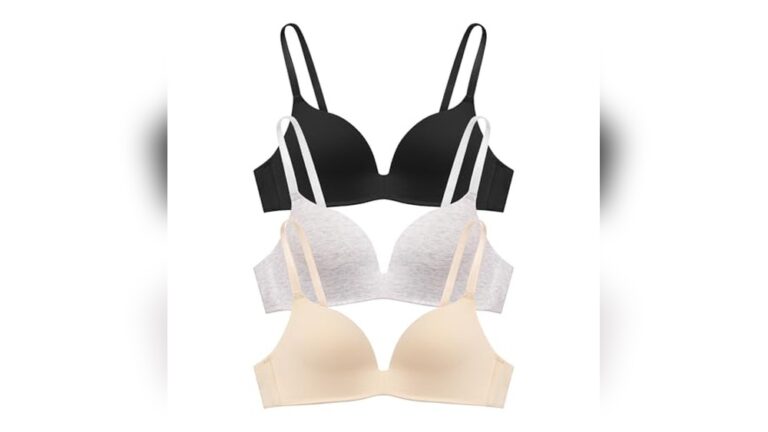
Classic wireless and multi-ply wireless styles feature layered fabric for light shaping, perfect for an everyday bra that provides a sleek line under tight shirts.
Sizes now range from petite to extended cups, including half-cups for a precise fit without gaping.
Opt for wider bands, an inner sling, and thicker straps for medium to large breasts. You’ll get cradling support without hard parts and a clean silhouette beneath 100% cotton tees or light blouses.
Bralettes
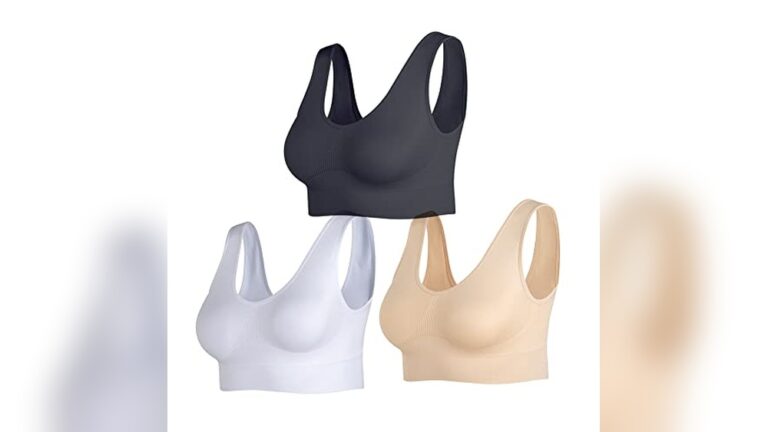
If you want a free-bra feel, bralettes keep structure minimal while staying soft on the skin. Cotton bralettes breathe in warm weather. Sheer bralettes layer well under V-necks, and comfy lace bralettes add texture without scratchy seams.
They fit small or shallow breasts, and anyone who hates padding. Wireless bralettes and triangle bralettes offer a natural shape that can feel more comfortable if your size shifts throughout the month.
Going bra-free some days and wearing a bralette on others is an easy way to personalize comfort.
Care tip: Rotate wear, hand-wash when possible, and lay flat to dry to extend the lifespan.
Sports Bras
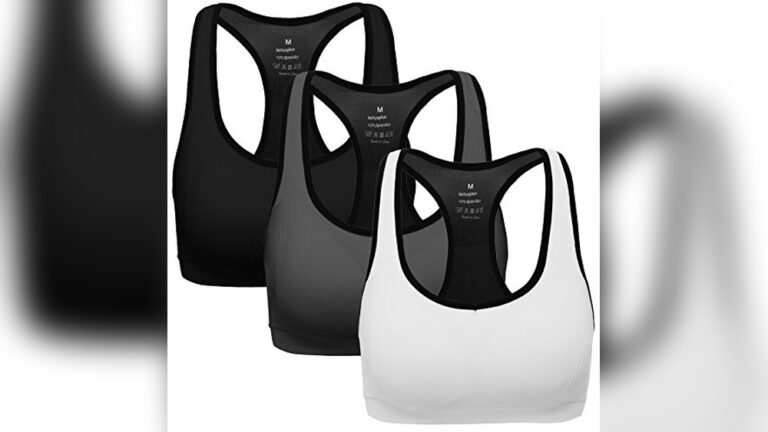
For active days or when you want extra support without wires, sports bras get the job done. Foam cups or removable pads provide form and modesty beneath gym tops.
Compression styles hug the body tightly for smaller chests. Encapsulation styles separate and lift for fuller sizes. Shirt bra sports with memory foam cups offers a smooth look under tight shirts or stretch dresses.
Verify band length in centimeters and adjust straps for posture-friendly support.
Camisoles
Cami’s with a shelf bra or a built-in bra provide light support and coverage. They slip beneath sheer blouses or floaty tees to minimize peek-through.
Soft, stretchy, seamless bodies are lounge-worthy and can even double as a lounge bra at home. Sizes range from petite to curvy and extended. On days when bras are too much, a cami provides gentle support without squeeze.
Pasties
Pasties provide full nipple coverage underneath clingy or transparent tops as you fly braless. Silicone or fabric versions are soft, compact, and easy to apply.
They’re invisible for backless or strappy dresses when bras or bralettes aren’t an option. Many people report that alternating no-bra days with pasties days becomes more comfortable over time.
Finding Your Perfect Fit
Comfort starts with facts: your current measurements, your breast shape, and how different styles interact with both. Support and smoothing are personal. What’s invisible on one body feels restrictive on another.
It’s worth trying different styles and cup options, particularly if you’ve previously been wearing the wrong size, as many of us have.
Take notes, compare fits, and be open to options such as bralettes or support camis.
Measure Yourself
Take a flexible tape. Stand straight, breathe normally, and measure:
- Band: Snug around the ribcage, directly under the bust, tape parallel to the floor. Round to the whole centimeter.
- Bust: around the fullest part, tape level, and relaxed.
Subtract band from bust to estimate cup volume, then try the size and its sister sizes. Do this every few months, as weight, hormones, and age all shift size and shape.
Many people end up with a new size after an accurate measurement, sometimes for the first time in years.
Record results in an easy-to-reference chart with date, band, bust, calculated size, tried-on sizes (including half-cups), and fit notes. It keeps you honest and saves time when buying online or in-store.
Know Your Shape
Identify what you observe in the mirror—no judgment, simply information. Shallow or wide-set breasts tend to favor balconette or half-cups, which lift but do not gape.
Close-set or projected shapes tend to sit well in plunge or full-coverage with deeper cups.
Softer, droopier tissue may favor wider wings, a firmer band, and stretch-lace top cups to minimize cutting in. Matching shape to style results in better coverage and cleaner lines under clothing.
Maintain a brief cheat sheet matching your shape to suggested cuts and detailing. Come back to it when your body changes size, as breasts are notoriously different sizes.
One size may require a half-cup step or a detachable cookie on one flank.
Test the Fit
Move in it–lift arms, twist, sit. Look out for cups that gape, spill over, or bounce. A quality band should feel firm but not too tight, remain flat, and not roll.
Straps should be easy to adjust, provide some light lift, and not dig in.
Stretchy bands and adjustable straps create a personalized sensation. The band still does most of the work.
Create a quick checklist:
- Band parallel, two-finger comfort, no riding up
- Center gore softly resting on chest (wired styles)
- Cup edge smooth, no quad-boob or empty space
- Straps are stable after adjustment
- Breathable fabric; seams not rubbing
- Go for sister sizes and half-cups if close, not quite.
Favorites to compare fit and feel:
- Balconette
- Plunge
- Full-coverage
- Wireless
- Bralette
- Support camisole
- Sports bra (low-impact)
- Spacer foam
- Stretch-lace
- Half-cup sizes
Care matters: Rotate bras to give them a few days’ rest, hand-wash or use a gentle bag, and lay them flat to dry. Change approximately every six months if used four to five times per week.
A proper fit can not only transform a drawer full of unused bras but also boost your confidence.
The Psychology of Going Braless
Going braless can feel liberating, convenient, and fraught simultaneously.
Culture, comfort, and confidence converge here, and every woman’s requirements fluctuate across ages and life stages, whether they prefer comfortable bras or new bra alternatives.
It’s not a rule; it’s a toolkit that honors your body and your day.
- Pros: comfort for sensory sensitivities, natural form, fewer pressure points, alignment with one’s values, cost savings, faster dressing, body connection, and confidence boost.
- Cons: Nipple show-through, bounce while you’re doing jumping jacks, possible workplace dress codes, chafing with some fabrics, less bulging under sheer tops, and public gaze.
Body Liberation
Going braless can help many of us love our natural busts, sizes, and shapes. For others, it’s an immediate, declarative stand against the patriarchy’s obsession with 15-year-old girl cleavage lift versus ease of wear.
For some, it just feels easier—less chafing, fewer seams, more air. Choosing comfortable bras over traditional options can enhance this experience.
Refusing to wear confining lingerie can cultivate self-love. When 21% of women refer to a bra as ‘an enemy’ and 46% describe it as ‘a business partner’, they endure, opting out—even part-time—can seem like a statement of self.
The decision to wear a comfortable underwire bra or no bra at all can reflect personal freedom.
That decision can range from soft bralettes, stretchy shelf tanks, or no bra at all, depending on the day.
Body liberation means freedom to choose comfy underwear or nothing at all. One woman swaps a ribbed crop for a ribbed crop on desk days to prevent sensory overload.
Another, post-pregnancy, trades in unlined bras for braless weekends to respect softness and shifting volume.
Tiny steps add up.
Stories are important. A sprinter employs high support for training and goes braless for recovery.
A teacher layers with a lined camisole to prevent show-through and feels less policed.
For a retiree with sensitive skin, going braless can reduce underwire irritation and make them feel sunnier by 4 PM.
Social Pressure
Society still controls what women “should” be wearing under clothes, and visible nipples can cause people to stare. In certain environments, the absence of cleavage or contouring comes across as “unpolished,” which is infuriating and unjust.
By disrupting these assumptions, we can inadvertently alter culture. Opting for comfort over conformity unapologetically tells your body that it’s not public property.
It gets other women to join in, particularly younger women and women dealing with hypersensitivity.
Respond with calm clarity:
- “I dress for comfort and focus better this way.”
- “I prefer breathable layers; works well for my skin.”
- “Different days, different support. Today is a low‑support day.”
- Offer alternatives if asked: nipple covers, lined camis, soft bralettes, or molded crops.
Personal Choice
Wearing a bra, a bralette, or nothing is a personal choice. Your comfort, style, and lifestyle rule. There is no one answer for a 20-hour flight, a boardroom, a scorching summer commute, or menopause-related tenderness.
Try a rotation: a supportive option for motion, a soft layer for long meetings, and braless evenings for recovery. Track how fabrics feel on your skin if you’re sensory. Modify as your body evolves.
| Item | Type | Best For | Notes |
|---|---|---|---|
| Unlined soft-cup bra | Bra | All‑day structure | No foam; breathable; gentle lift |
| Wire‑free molded cup | Bra | Smooth under thin tops | Nipple coverage without wires |
| Stretch lace bralette | Bralette | Light support | Flexible sizing; pretty yet soft |
| Ribbed crop tank | Alternative | Work‑from‑home | Doubles as top; minimal seams |
| Adhesive nipple covers | Alternative | Braless polish | Reusable; discreet under tees |
Conclusion
Finding a bra you don’t dread wearing comes down to fit, fabric, and flexibility. Bodies morph, tastes evolve, and comfort thresholds increase with time.
Focus on breathable fabrics, seamless edges, and supportive designs that suit your form.
Try sister sizes, experiment with straps and bands, and measure how a bra feels after several hours, not just a few. Prefer more flow.
Bralettes, wire-free styles, and supportive camis provide soft support without the stabbing.
On days when braless feels right, embrace it with confidence.
To be cozy and supported at any age, cultivate a mini rotation that fits different outfits and moods. Your comfort is our goal.
When a bra works, you forget it’s there, and that’s the win.
Frequently Asked Questions
Are there bras for people who hate wearing bras?
Yes. Consider comfortable bras such as wireless, seamless, or spacer-mesh options. Bralettes and soft-cup styles, including the bliss triangle bra, help reduce pressure points. Look for wide bands, breathable fabrics, and molded yet flexible cups for everyday wear.
What causes most bra discomfort?
Bad fit and inflexible fabrics often stem from uncomfortable bras, with common culprits including tight bands and underwires digging in. A professional fitting and softer fabrics generally address most issues for everyday wear.
How do I find a truly comfortable bra?
Begin with a new measurement to find the right bra. Try the band on the loosest hook, ensuring the cup fully encases the tissue with no gaps or spillover. Opt for wide straps, smooth linings, and stretchy underwires or comfortable wireless bra support. Walk around to test for rubbing or ride-up.
What are comfortable alternatives to traditional bras?
For lounging, opt for comfortable bras such as built-in bra tanks or soft crop tops, prioritizing breathable fabrics and wide underbands to provide gentle support without squeezing, making them ideal for everyday wear.
Can going braless affect breast health?
There’s no evidence of harm for most people, according to recent studies. Comfort and preference count when choosing comfortable bras. For high-impact or bigger busts, a supportive underwire bra can minimize strain. If you experience pain or posture problems, visit a clinician or a certified bra fitter.
How do I reduce underwire pain without ditching support?
Choose flexible or cushioned underwires in your everyday bras to ensure the wire rests against the ribcage, not the breast tissue. Pay attention to gore tacking and cup depth. If pain persists, consider comfortable bras like wireless designs with internal slings or side support panels for lift.
What fabrics are best for all-day comfort?
Breathable, soft textiles like cotton, bamboo, Tencel, lyocell, and moisture-wicking microfibers make for the perfect everyday bra. Spacer mesh provides airflow with a lightweight structure, ensuring comfort without irritating sensitive skin from scratchy lace.


One Comment