Bra Cup Spillage and Overflow: Why It Happens and How to Fix It
Key Takeaways
- Bra cup ‘spillage’ is breast tissue flowing over the cup edges and it screams misfit. It can occur at the top, sides, bottom, or center and impacts both comfort and aesthetics.
- Top overflow, side bulge, bottom escape and center divide designate different fit issues. These problems usually stem from cups that are too small, bands that are too loose or tight, or a gore that does not lay flat.
- Wrong size, styles, and old bras can cause overflow. Replacing stretched bras and picking styles that match breast shape can quickly improve support.
- Easy tests to diagnose your problems at home. Take your mirror, t-shirt, and movement tests to confirm containment, smooth lines, and stable support throughout your daily activities!
- A perfect fit is band, cups, straps and gore all working in harmony. Well-fitting bras have a snug level band, fully encasing cups, comfortable straps and a flat-lying gore to prevent spillage.
- Make moves with re-measurements, style experimentation, and savvy tweaks. Keep tabs on measurements, opt for fuller-coverage or balconette styles for more containment, and adjust straps and bands as your body and requirements fluctuate.
Bra cup spillage and overflow: what it means when your bra doesn’t fit right is a clear sign of mismatched sizing or style.
To determine the source, observe where the overflow occurs — top, sides, or center — because these areas indicate you have too-small cups, narrow wires, or shallow cup shapes.
To remedy, think sister sizes, fuller-coverage cups, or stretch-lace tops that flex with volume shifts.
To support changing bodies at any age, the guide below breaks down fit tweaks and comfort-first options.
What is Bra Cup Spillage?

Bra cup spillage is breast tissue spilling over the edges of the cups. Bra cup spillage is a sign of a fit issue and impacts both comfort and the sleek silhouette of clothing. Spillage can present itself at the top, sides, bottom, or center and it can occur even in a “correct” size as a result of breast shape, firmness, or asymmetry.
With over 80% of women in the incorrect size, it is prevalent but curable. A properly fitting bra contains all tissue with no bulging, gaping, or wrinkling, and underwires sit beneath the breast, not on it.
1. Top Overflow
Top overflow is bulging over the cup’s upper edge. It often appears as a “double boob” line under T‑shirts or knit dresses and can flatten the upper bust, changing your outfit’s intended silhouette.
The typical offender is a cup that’s too narrow or too shallow for your upper fullness. If you have breasts that are fuller on top or firmer following a recent size fluctuation, a shallow cup will push breast tissue up.
You may be in your regular size and still experience spillage because the cup shape conflicts with your breast shape. A couple of quick fixes to keep it positive. Try a bigger cup in the same band or experiment with a cup style offering more upper room—stretch lace tops, balconette with open necklines, or pliable molded cups.
If you’re unbalanced, fit the larger side and put a removable pad on the smaller side so both sides are smooth.
2. Side Bulge
Side bulge is tissue escaping at the bra’s outer edges near the armhole. It makes lumps under sleeveless tops and rubs where the cup and wing connect.
This typically indicates the cup isn’t wide enough or the side coverage is too low. Sometimes the wire sits on tissue instead of behind it, or the wing height is too short for your side fullness.
It can indicate a band that rides up, allowing tissue to spill out. Try cups with wider underwires, taller sides, or full-coverage profiles. A firmer band helps anchor the wire behind the breast root.
If you’re in-between sizes or have side fullness, try a different cup shape or sister size to get width without sacrificing support.
3. Bottom Escape
Bottom escape looks like tissue spilling out under the cup. You’ll want to yank your bra down all day, which is annoying and distracting.
This can be caused by a loose band or soft, non-supportive cups. When the band isn’t snug, it rides up, the wires tip forward, and tissue slips under. Other times the cup is just too small, so the wire can’t sit beneath the breast.
Match band and cup properly: the band should sit level around your torso, and the wire should fully frame the breast root. Test a tighter band, a bigger cup, or stronger materials.
If you like wireless styles, opt for dense, supportive bands with side slings for lift!
4. Center Divide
Center divide is spillage or squeezing at the gore, where cups meet. If the gore floats or digs, the center fit is off and the outcome appears lopsided under garments.
It typically occurs when cups are too small or the cups are placed too close together for your natural spacing. Closely set wires can pinch soft tissue.
Wide-set breasts might require a lower or narrower gore in order to lay flat. Make sure the gore lies flat against your chest. Check out plunge styles for close-set breasts or a slightly wider gore for wide-set shapes.
When in doubt, go up in cup size until the center rests flat without being strained.
Why Spillage Happens
Spillage, such as bra cups overflow or bra bulge, indicates a poor fit between size, style, or the bra’s age. Body shifts in volume or shape contribute to fitting issues. Old bras stretch, allowing tissue to slop out of the cups. Knowing which one applies to you helps you fix it without guesswork.
Incorrect Cup
One of the most common reasons for spillage is a cup that’s too small. Breast tissue should sit completely inside the cup, with the cup rim laying flat against the chest without digging in or spilling over at the top or sides.
If you see dents, quad-boob, or a firm ridge under clothing, the cup is likely undersized. A cup that’s too big can gape near the strap or center, which can shift tissue and still create spillage during movement.
Test both cups standing and sitting, and lean forward as you slide into the bra. Most of us have uneven breasts, usually a half-cup size difference, so fit to the larger breast and use a detachable pad or insert on the smaller side for balance.
Wrong Band
A loose band can sabotage the whole fit. When the band rides up the back, the cups tip forward and tissue spills out at the neckline or sides. A too-tight band does the reverse, constricting the ribcage and squeezing tissue out of the cups, which appears as spillage even in the correct cup size.
Strive for an even, tight band that lies flat to the floor and weights it down. Latch on to the loosest hook of a new bra, so you can adjust down as the elastic loosens. If you’re between sizes, try sister sizing: down a band and up a cup or up a band and down a cup, then compare stability.
Unsuitable Style
Style counts just as much as size. Plunge and demi designs, or shallow balconettes, may under‑contain fuller or softer tissue, particularly on bell‑shaped breasts that have more volume at the bottom.
That’s why a right numeric size can still lead to spillage in a low‑coverage cut. Try full-coverage, balcony styles with higher wings, or stretch-top cups that flex with daily size fluctuations.
If you’re narrow rooted, don’t wear wide underwires that sit on tissue. If you’re wide rooted, avoid breast cups that are too narrow and deep. Style must fit your measurements and your shape.
Worn Out
Bras age. Elastic relaxes, cups warp, and wires shift, all of which leads to spillage. If the band stretches more than a few centimeters or the cups appear warped, then the fit you admired will not survive.
Check for frayed edges, rippling cup fabric, loose straps, and a band that doesn’t feel as tight as it used to. Most normal bras only last six to twelve months with regular wear.
Rotating styles and hand washing add years, but timely replacements safeguard comfort and support.
How to Diagnose Spillage
Spillage, such as bra cups overflow or bra bulge, typically indicates size, design, or wear problems. Snap, easily verifiable tests show if your bra lifts, holds, and vanishes under clothing. Strive for a fit that is secure but forgettable, and redo these checks after weight fluctuations, hormonal shifts, pregnancy, or training.
The Mirror Test
Stand tall, relax shoulders, and scan for bra spillage escaping the cups at the neckline, sides, and underarm. Any ridge, crease, or “double-boob” line indicates that the cup is too shallow or small. Side spillage near the underarm often points to cups cutting into fuller outer tissue, which is a common issue for many women.
Turn to profile. Cups should lie flat, not bulging, and the gore, the center panel, must rest against your sternum for separation. If the gore floats, you probably need a bigger cup or a different bra style. With underwire, confirm that the wire sits behind all breast tissue, as wire on breast creates an overflow risk and discomfort.
Gaze down at the band. It needs to be snug, level, and flat against your chest, not riding up. A supportive bra with proper fit cuts down on bra cups overflow by locking those cups down. If you’re always swooping, scooping, and shifting throughout the day, the size or shape is likely wrong.
To diagnose spillage, remember that most women have some asymmetry. Fit the larger side and then insert a removable pad on the smaller side to create the illusion of evenness. If the next cup size up feels roomy but your cups spill, consider experimenting with sister sizes or different bra styles that accommodate size fluctuations.
The T-Shirt Test
Put on a snug, thin tee and check for lumps, edges, or lines peeking through. Smooth, even contours across the chest indicate the cup and band are working in harmony.
If you notice a ridge across your neckline or a side bulge, the cup is likely too shallow or the style too open for your shape. Full coverage or balconette with wider wires might hold better. If seams print, go for molded styles. If molded gaps at the top, a stretch cup can adjust.
A good fit should feel like a comfortable embrace, not a stranglehold. When it looks calm under light cloth, you’re near.
The Movement Test
Raise your arms, bend, reach, walk stairs, twist. Your breasts should remain completely enclosed with no shifting or popping out. The band has to stay put without digging and straps can’t slip or carve.
If motion leads to spillover, experiment with a sturdier band in the same cup size, sister size down in band, up in cup, or a higher cup lip. Sometimes one cup is too small and the next too big. Shape-specific designs with stretch tops span that divide.
Real life is the final exam—comfort, support, and no mid-day adjustments. When in doubt, re-measure and re-check after body changes.
The Anatomy of a Perfect Fit
A good fit bra doesn’t cause bra spillage or overflow and feels like it’s holding you tight. Band, cups, straps, and gore all have to work in conjunction for proper fit. Fit changes with time and wear, so routine checkups maintain a comfortable fit.
The Band
Consider the band to be the anchor. It needs to feel like a hug, not a squeeze; snug and nice and firm. Latch the loosest hook first. This maintains lifespan as the elastic unwinds.
The band has to sit horizontal and parallel to the ground, with no arching and no riding up, so support stays stable when you move. If it creeps higher in the back or digs in, the size is wrong. If it rides up, try a smaller band.
If breathing feels restricted, try a larger band. Make sure there’s light, even tension by slipping two fingers beneath the band. If you can’t, it’s too tight. If you can put more than that in it, it’s too loose. Determine your band before your cup size.
The Cups
Cups should fully encapsulate all breast tissue, including the top, bottom, and sides, to avoid common issues like bra spillage or uncomfortable side bulge. If the cup cuts into the breast or the underwire rests on tissue rather than below it, this can lead to bra overflow and discomfort. Wrinkling or puckering indicates that the cup is too large or the shape is mismatched, which is a common cause of fitting problems.
Full-on-top shapes often prefer open or balconette necklines, while full-on-bottom may favor deeper, plunging cups. Projected breasts typically do well with narrow, deeper cups, whereas shallow shapes respond better to wider, lower-profile styles. To ensure a proper fit, perform a scoop-and-swoop: lean slightly forward, guide all tissue into the cup, and smooth the outer edge.
Finally, always recheck edges and underwire placement when adjusting your straps to make sure you achieve the right fit. Remember, a comfortable bra not only enhances your appearance but also supports your natural shape effectively.
The Straps
Foam padded, adjustable shoulder straps are not the primary support; the band is. If you cinch straps to pursue lift, you’ll welcome shoulder dents and cup spillage.
Swap out stretched or frayed straps. Sagging elastic transfers tension to the cups and band. Seek light, uniform pressure with no pinching red marks at day’s end, and confirm you can slip two fingers beneath easily.
Racerback clips or J-hooks can help close down wide-spread or slippy shoulders, but only once the base fit is correct.
The Gore
The center gore should lay flat against your sternum to anchor the cups and provide clean separation. A floating gore indicates cups that are too small or too shallow for your projection.
A digging gore might indicate too-narrow wires or a shape mismatch. Select gore width to correspond with your breast separation. Close-set breasts may require a narrow gore, while wide-set breasts might favor a wider, stable bridge.
Use the gore as a quick compatibility test: when it tacks, the cups and wires usually align and you’re closer to a fit you forget you’re wearing.
Beyond Size: Shape and Structure
Cup overflow isn’t just a matter of the size on the label; it can also be attributed to the wrong bra style for your particular breast shape. Factors such as breast shape, fabric behavior, and build quality dictate how much a supportive bra will contain, lift, and smooth throughout the day.
Breast Shape Matters
Breasts aren’t one-size-fits-all. Round, teardrop, bell-shaped, side-set, close-set, shallow, projected, and asymmetrical shapes all move in a cup differently. Most women have some asymmetry, often a half-cup difference, so mild spillage on one side can occur even in the correct size.
Fit beyond size: shape and structure – match the cup architecture to your shape to minimize overflow. A teardrop or projected breast may require additional depth at the wire, whereas shallow or wide-root breasts respond well to wider wires and a more open neckline.
Bell-shaped breasts fall more forward and down, making them more difficult to contain in low coverage designs. Certain shapes just require additional coverage or specific cup designs.
Bell-shaped and soft tissue love higher wings, taller cups, and firmer side support to stop gaping at the strap line and bulging at the neckline. If you’re asymmetrical, size for the bigger side and utilize a removable pad on the smaller.
- Round: balconette, demi with firm upper cup, molded T-shirt
- Teardrop/projected: full coverage with deeper cups, three-part seamed
- Bell-shaped: full coverage, T-shirt with foam integrity, side support
- Shallow and wide-root: balconette with wide wires, lightly lined, plunge with open top
- Asymmetrical: bras with removable cookies, stretch-lace upper cups
Fabric and Function
Beyond size, the right bra style must consider shape and structure, as fabric affects containment as much as pattern. For instance, stretch-lace upper cups adjust to asymmetry, while firmer lower cups elevate and prevent bra spillage. Microfiber with moderate stretch provides everyday comfort that won’t lose its shape, making it an ideal choice for a comfortable bra.
Moulded or lined cups deliver predictable shaping and modesty, with light foam preventing edge spillage by redistributing tissue. Unlined seamed cups offer precise lift with less bulk, which is crucial for achieving the perfect bra fit.
On active days, moisture-wicking synthetics and breathable mesh lessen sweat and slippage. Seek out quick-dry blends if you reside in humid states or sweat a lot.
Construction details matter: seamed cups, particularly three-part, shape and center the bust. Underwires that cover the root completely avoid common fitting issues like side spillage, while side slings direct tissue forward for proper support.
Sister Sizing Myths
Sister sizing moves one band in either direction and one cup in the opposite direction, maintaining cup volume but altering band tension. It’s a weapon, not a magic wand.
If your shape clashes with the cup design, sister sizing won’t prevent spillover. A shallow breast in a narrow, deep cup will still crease at the top even in a sister size.
Common misconceptions are that sister sizes change cup depth dramatically, solve gaping on one side, or fix strap slip. They do not. They merely shift the equilibrium of band tightness and cup capacity.
Reserve sister sizing as a fallback when band selection or comfort is the concern. Tackle shape issues with alternate styles, wire widths, cup heights, and fabric firmness first.
Your Spillage Solution Guide
Spillage typically indicates a sizing or style mismatch, not a body defect. Common causes of bra spillage include the wrong bra size, unevenness between breasts and bands, or cups that are off the mark. A cup that is too small pushes tissue out, leading to bra cups overflow. Meanwhile, a cup that is too large or a loose band allows breasts to sink and spill. Shapes matter too; demi and some balconettes can under-cover fuller busts. The repair is systematic.
- Re-measure accurately
- Test styles for coverage and shape
- Adjust what you own smartly
- Reassess regularly as size and needs change
Re-measure Yourself
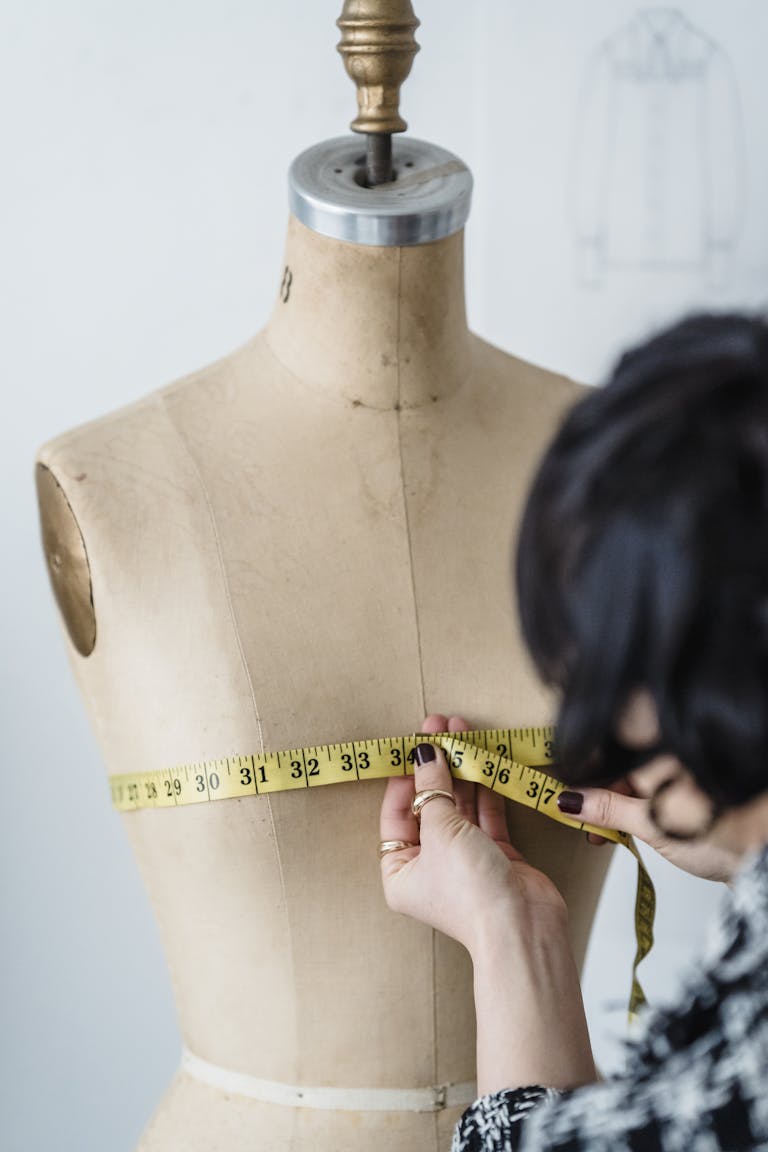
Nearly all spillage begins with the wrong size. Use a soft tape at the underbust, snug and level, to find the band size. Measure the fullest bust without pressing down. A well-fitting bra considers the band and cup as two distinct measurements since cup volume varies with band size. If one breast is bigger, which is typical, measure from the bigger side.
Match measurements to a present size chart. If you’re in between sizes, remember sister sizes to keep cup volume while shifting band tightness. Half-cup selections can assist with the unevenness of overflow on one side.
Re-measure after any body change, such as weight fluctuations, pregnancy, hormonal shifts, and aging, as breast shape and size changes. What worked a year ago may not work now, and that’s ok.
| Date | Underbust (cm) | Bust (cm) | Calculated Size | Notes |
|---|---|---|---|---|
| 2023-06 | 78 | 94 | 75D | Band rides up |
| 2024-02 | 80 | 98 | 80D | Good lift, slight quad-boob left |
| 2025-01 | 79 | 101 | 80E | Even containment, better apex shape |
Explore New Styles
Full-coverage designs with soft cup support bras contain soft tissue and effectively reduce bra spillage along the neckline. Plunge styles can work for close-set breasts by centering tissue without cutting in, while balconette bras may flatter but can under-cover larger volumes. It’s essential to check for bra cup overflowing or quad-boob at the seam to avoid fitting issues.
Side-support panels, stretch-top cups, and molded full cups frequently address the common issue of spillage for uneven sizes. Other brands offer half-cup increments or padding for asymmetry, ensuring a comfortable fit for different breast shapes.
Various bra styles include full-coverage, plunge with stretch lace, side-support full cup, and sports bras with encapsulation. Brands with inclusive ranges, such as Panache and ThirdLove, cater to diverse body types and ensure the right bra size.
Adjust Correctly
Use this checklist to fine-tune fit and curb bra overflow.
- Band tension: The band provides most support. If it rides up, downsize in band or tighten. If it scoops, size up. Target solid, airy support over the ribcage.
- Strap tuning: Lift until cups sit flush without dents. If overflow shows up after tightening, the cup is too small, not the strap too loose.
- Hook logic: New bras start on the loosest hook and move inward as elastic relaxes. This avoids late-stage spillage from an overstretched band.
- Temporary aids: Bra extenders for short-term tightness, detachable pads or a cookie on the smaller side to even out unevenness, silicone strap pads for comfort.
- Cup containment test: Scoop-and-swoop tissue fully into cups, then lean and check edges. If you notice a ridge beneath a T-shirt, opt for a bigger cup or a stretch top panel style.
Conclusion
Finding a bra that doesn’t spill or gape comes down to three things: accurate size, the right shape match, and thoughtful design. Bodies transform with age, hormones, weight fluctuations, and lifestyle. Your bra should evolve with you. Take what you learned here to detect spillage early, verify band firmness, measure cup depth and width, and select styles that match your breast shape and tissue softness.
To advance, maintain notes on brands and sizes that fit best, attempt sister sizes when only one factor is off, and evaluate motion prior to stripping tags. Pick breathable fabrics, supportive bands, and cups that hold your tissue, not cut into it. Comfort and support can coexist. Neat fitting looks cleaner, feels cooler, and wears longer.
Frequently Asked Questions
What is bra cup spillage?
Bra cup spillage occurs when breast tissue bulges over the edges or out the sides, indicating a wrong bra size. Common signs include quad-boob lines, side spillage, or center overflow near the gore. Choosing the right bra style ensures a proper fit to prevent this issue.
Why does spillage happen even in my usual size?
Bra spillage can occur when the bra cups are too small, the band is too loose, or the style doesn’t accommodate your particular breast shape. Factors like weight fluctuations and fabric stretch also contribute. It’s essential to reassess your bra size and explore different bra styles for a proper fit.
How do I quickly check for cup overflow at home?
Do a scoop-and-swoop, then check yourself out in the mirror in good light. Assess the top edge, sides, and center for any bra spillage. Raise your arms and lean forward; if tissue spills or the edge digs in, the bra cups are likely too small or the shape is wrong.
Could my breast shape cause spillage?
Yes. Full on top, tall root, or center full breasts often experience bra spillage in shallow or closed top cups. To address this common issue, experiment with open necklines, stretch lace, or deeper cups for proper fit. Matching shape to different bra styles is just as important as size.
What size adjustments fix spillage?
Typically, increase one cup size while maintaining the same band for a comfortable fit. If the band rides up, sister size down one band and up two cups to avoid issues like bra bulge or bra spillage. Verify that the gore tacks and the wire sit behind the breast tissue for proper side support.
How do I know if the bra actually fits?
Cups should fully contain tissue to avoid bra overflow, with no cutting or gaping. The band must sit snug and level on the ribs, while the straps provide support without digging, ensuring a comfortable fit.
Which bra styles help prevent overflow?
When selecting a comfortable bra, consider styles that match your shape: plunge style bras for center-full, balconette with open tops for full-on-top, and full coverage for larger volumes, while stretch lace can help with asymmetry. Side-support panels and rigid bands enhance containment, addressing common issues like bra spillage.