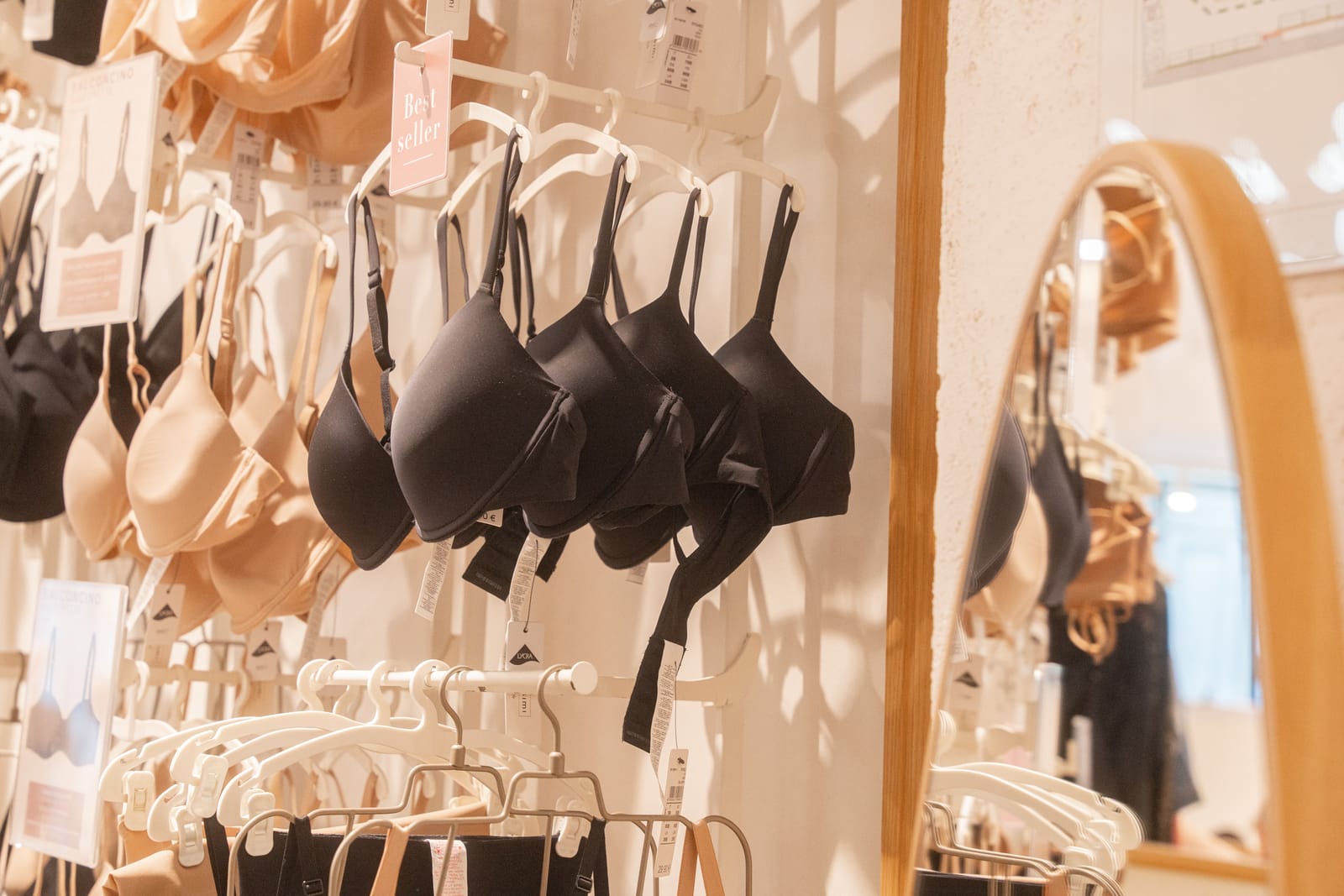
Are Cotton Bras Supportive? The Nature, Benefits, and Best Options from ThirdLove
Key Takeaways
- Cotton bras are supportive when the fabric, band, cups, and straps all cooperate, providing breathable comfort that keeps heat and moisture at bay. Go for higher cotton content with intelligent blends for shape without compromising softness.
- Fabric weave counts for support and longevity. Tight weaves and good fibers like organic or pima cotton assist the bra in maintaining its form and resisting over stretching.
- A tight, wide band provides a majority of the support, particularly with non-wire styles. Search for elasticized bands, reinforced stitching, and adjustable closures for a safe, customized fit.
- Cup design dictates support and coverage. Choose double-layer or lightly padded cups, molded or seamed designs according to your size and lift requirements and full coverage for all day support.
- Straps and underwire dial in support. Opt for wide, padded, adjustable straps for comfort, with your choice of underwire or cotton-wrapped underwire for an extra lift, with reinforced channels to prevent poking.
- Care increases longevity and effectiveness. Wash in cold water with mild detergent, air-dry, rotate bras, and heed care tags to retain elasticity, shape, and comfort over time.
Cotton bras can be supportive if they’re structured with elements such as wider bands, multi-part cups, and reinforced seams. Support is more about construction than fabric alone. Many of today’s cotton blends have elastane woven in for stretch recovery, so it lifts and holds without rigidity.
For fuller busts, side slings, power-mesh wings, and wider straps enhance support and minimize bounce. Wire-free cotton styles can still provide solid support with molded cups and a tight under-bust band. For sensitive skin or hot climates, breathable cotton keeps skin drier and reduces irritation with superior airflow.
To accommodate shifting bodies, particularly as we age, cotton bras now offer inclusive sizes and sister sizes for an exact fit. Below, the core unpacks benefits, fit advice, and best styles.
The Anatomy of Cotton Bra Support

Cotton supports just by breathing. Natural fibers breathe, wick light moisture, and reduce the odor-causing bacteria, so heat and sweat do not accumulate under clothes. Support is a function of fabric blend, construction, and fit.
Pure cotton stretches and does not shape larger cups well. Even most so-called “high-cotton” bras still rely on some elastane or polyamide for recovery because a bra consists of many components: cups, bands, straps, linings, elastic, thread, and 100% cotton is extremely uncommon.
Softness is important for sensitive skin, though resilience is behind fully synthetic bras, so good stitching and certifications come in handy.
1. Fabric Weave
Tighter weaves, such as interlock and high-gauge jersey, resist stretch, hold shape, and feel smoother under tees. Loose weaves, like light jersey and slub, breathe more but can lose support faster, particularly beyond a D cup.
Organic and Pima cottons provide dirt-clean processing and extended-staple fibers for a silky feel without sacrificing shape. 100% cotton isn’t necessarily toxin-free either—seek out certifications such as OEKO-TEX or GOTS to sidestep the nasties.
Common blends include cotton-modal for softness and drape, cotton-polyamide for strength and shape retention, and cotton-elastane for stretch and recovery. The right weave and a touch of elastane keep it all from stretching out, preserving your bra’s shape season after season.
2. Band Design
Most support comes from the band, especially in wireless cotton bras. Select a wide, firm band that lies horizontally around the body and doesn’t bunch up.
Elasticized cotton bands provide better grip and greater comfort while moving during the day. Reinforced seams and bartacks at stress points impede degradation.
Several-hook closures enable micro-adjustments as the fabric loosens over time.
3. Cup Construction
Double-layered cotton or light foam lining gives a modest lift and shape. Molded cups provide a sleek profile for daily use, while seamed three-part side-support cups deliver enhanced lift and projection for fuller busts.
There are even some cotton cups that include little pockets for removable pads or breast forms, which is helpful if you’ve had surgery or have asymmetrical breasts. Their full-coverage designs minimize movement and edge spillage, which makes warm season layering a breeze!
4. Strap Integration
Wider, padded cotton straps distribute weight to alleviate shoulder strain. Adjustable sliders allow you to fine-tune support as tissue shifts over time.
Seamless strap joins appear smooth underneath thin fabrics. Convertible or removable straps adjust to halters, cross-back tops, and occasion wear.
5. Underwire Role
Underwire brings lift and shape, particularly in bigger sizes that require more structure than cotton’s inherent stretch. Gossamer wireless cotton bras are softer and cooler, although slim on shape and durability.
Cotton-wrapped wires ease irritation, and reinforced channels protect against poking as the fabric wears. Couple breathability with a supportive frame if you desire reliable all-day hold.
Cotton Versus Synthetics
Cotton, made from the cotton plant, is a natural material that offers a breathable option for garments. Synthetics, being man-made materials, can provide support, but they behave differently against skin, sweat, and friction. The true inquiry is what combination of comfort, form, and durability caters to your physique at the present moment.
The advantage of cotton, especially in the form of organic cotton, is its breathability. Organic cotton fibres breathe and allow air to flow, cooling the skin in hot weather, long commutes, or hot flashes. This natural fabric retains moisture and remains dry only if sweat evaporates more rapidly than it is absorbed. This makes organic cotton bras excellent for mild conditions but suboptimal for intense workouts.
Polyester and other synthetic materials trap less water, giving them a sleek feel; however, they can become clammy when heat accumulates. Some individuals experience itching or redness with synthetic bras, while others do not. If your skin is reactive, opting for more cotton, such as an organic cotton bra, often soothes the situation.
Support and shape are not synonymous, particularly in fuller cups. Organic cotton bras, especially unlined or soft-cup styles, favor a natural silhouette and provide everyday comfort throughout the day. They may not lift or center as tightly in bigger sizes.
Synthetics usually offer more support with firmer knits, molded cups, and power mesh. That’s why many supportive designs use blends: cotton against the skin for comfort and synthetic frames for hold.
Durability and care matter. Organic cotton can last for years with gentle washing, helping to prevent waste. Certain synthetics may outlast cotton, resist shrinkage, and dry faster.
From an eco perspective, organic cotton is renewable but water-intensive, while synthetics lean on petrochemicals, though recycled varieties are improving. Blends strive to strike a balance between wear life and environmental impact.
- Cotton bras: pros are breathable, soft on sensitive skin, have a natural feel, and are made from renewable fiber. Cons include the ability to hold sweat, slower drying time, modest shape and support in bigger cups, and potential shrinkage.
- Synthetic bras: pros include strong lift and shape, quick dry, resilient elasticity, and often lighter weight. Cons include less breathability, a clammy feel, possible skin irritation, and petroleum origin.
- Blended bras: pros include cotton comfort and synthetic support, better moisture management, and practical durability. Cons include varying care labels and eco impact that depends on fiber sources and recycling.
In conclusion, when choosing between types of bras, consider the advantages of organic cotton and the comfort it brings as an ideal choice for your everyday needs.
- Comfort: Cotton—soft, cool touch; Synthetics—smooth, sometimes warm.
- Support: Cotton—moderate; Synthetics—firm, structured.
- Breathability: Cotton—high; Synthetics—medium to low.
- Care: Cotton—gentle wash, slower dry; Synthetics—easy care, quick dry.
- Eco‑friendliness: Cotton—renewable, variable water use; Synthetics—petro‑based, recyclability improving.
The Comfort-Support Connection
Cotton bras provide the perfect equilibrium between easy comfort and dependable support for day-to-day wear, particularly when fit and design combine effectively. The fabric’s inherent breathability aids in heat and moisture control, which prevents chafing and skin irritation during long days, warm climates, or hormonal changes. Most of us think cotton feels kinder on skin than synthetics, and that softer hand can go a long way if you wear an organic cotton bra for 10 or more hours.
Cotton’s pliancy conforms to natural motion without slumping. In a well-constructed fashion, say a strong elastic underband, double-layer cups, and smart stitching, cotton can actually support breast tissue during everyday activities, commuting, and office hours included. That balance matters: a bra with adequate support helps ease back and shoulder strain, especially in larger sizes or when posture fluctuates. Choosing an organic cotton bra can enhance this comfort while being gentle on the environment.
If you prefer the softest, go for cotton-rich blends, such as 90% cotton and 10% elastane, to give the bra some stretch retention so it keeps its shape after washing and throughout the day. Organic cotton is a wise choice for itchy skin or fabric allergies. Less chemical residue and softer processing minimizes the redness, itching, and rashes that occasionally pop up with harsh dyes or rigid synthetic mesh, making it an ideal choice for sensitive skin.
If your skin flares along the underband or where straps sit, seek out GOTS-certified organic cotton, tagless labels, and enclosed seams. Smooth, seamless construction helps if you’re prone to friction spots. Approximately the support level to activity is also important. For daily wear, organic cotton bras with a wide band, molded cotton-lined cups, or partial linings can feel cloud-soft yet grounded.
For walking or light yoga, opt for cotton with internal slings or a compressive knit. For higher impact, most women still require technical support, such as cotton-lined cups with power mesh wings or a sport style that employs cotton only on the skin side and performance fabric on the structural side. It’s a practical compromise: comfort where you feel it, strength where you need it.
Design details count. Adjustable straps provide micro-tuning throughout the day. A wider underband distributes weight. Side boning that is flexible or replaced by stabilizing seams keeps it from digging. Sister sizes can help you fix in-between fits when cups feel perfect but the band rides up.
We all like different things. Some of us like plush comfort, while others need a more rigid lift. Experiment with different cuts until your shoulders loosen and your rib cage breathes. Remember that the right bra can make all the difference in your everyday comfort and support.
Support for Every Body
Cotton bras cross sizes, styles, and coverage, so support is less about the material and more about the construction. For many women, cotton is all the support you need, particularly for an A or B cup size or light activity. Others require more structure. Imagine reinforced bands, cut-and-sew cups, or even strategic lining to feel nicely supported.
Natural cotton fibers keep you cool and irritation-free, which counts if you’re heat sensitive or dealing with tender tissue.
- Wirefree everyday bras: soft bands, light to moderate support for A to C cups.
- Cut-and-sew full-cup bras: Seamed cups lift and shape and are better for D+ cups.
- Cotton-lined underwire: breathable lining pairs with wire for firmer support.
- T-shirt bras offer a smooth finish and light padding or molding for invisibility.
- Bralettes are easy to wear and have minimal structure. They are best for lounging or small busts.
- Sports-inspired cotton blends: wider straps and bands, fine for low impact.
- Nursing and maternity bras: soft stretch cotton, quick access, gentle support.
- Post-surgery/mastectomy bras: soft seams, pockets for forms, and comfort-first.
- Sleep bras: light compression, reduce nighttime movement without pressure.
- Longline styles offer an extended band for extra anchor and a better posture feel.
Support is about construction and fit. For larger cups, seek out multi-part (cut-and-sew) cups, side slings, and a firm underband that measures snug but comfortable. No more than 5 to 7 centimeters of stretch is ideal. Wider, adjustable straps distribute weight and minimize dig-in.
Cotton blends, such as those with elastane, can enhance shape without sacrificing breathability. For small cups or softer tissue, unlined cotton with darting usually feels secure without bulk. If high-impact activity is your baseline, cotton alone won’t cut it. Opt for cotton-lined styles with more robust frames, or ditch it altogether for a high-impact sports bra for those days.
Post-surgery and sensitive-skin needs require soft-to-the-touch interiors and accessible designs. Pocketed cotton bras make room for breast forms, and seamless, tag-free finishes minimize rubbing along scars. Front closures assist when arm mobility is compromised. Cotton’s heat regulation makes extended wear more bearable for those in recovery.
Select by lifestyle and comfort objectives. Day of desk work or errands? A cotton T-shirt bra might be just the ticket. Walk or travel? Go for a cotton-lined underwire with a firm band. Weekend in? About: Support for every body Soft longline bralette. Your body, activity level, and preference set the standard, not the label.
The Future of Cotton Support
Cotton goes ‘soft but simple. With smarter blends, cleaner dyeing and precise construction, cotton bras are about to support better, last longer and stay breathable without sacrificing that easy, everyday feel.
Seamless circular knitting and molded cotton-blend cups are slimming the bulk and maintaining structure. Look for strategic zones—firmer underbust panels, flexible side wings and stabilized straps—to control lift without the stiff wires. Blending in other fibers such as elastane, polyamide, or Tencel within a cotton shell enhances stretch, shape retention, and shrinkage prevention.
This is most important in bigger cup sizes, where cotton has traditionally failed. Imagine 90 to 95 percent cotton for against skin comfort, with 5 to 10 percent performance fibers woven in where support is needed.
Moisture barriers are changing. Breathable, ultrathin liners behind the cotton face can wick sweat and dry super quick, which is great for sticky climates or marathon work days. Cotton already breathes well and can wick when constructed properly, lending itself to dependable all-day wear and low- to moderate-impact activity.
For high-impact sport or G+ cups, the immediate future just might be cotton-forward bras with built-in internal mesh slings, laminated frame layers, and wider power-knit bands that lift without bulky hardware.
Sustainability is dictating it all. Cotton is biodegradable and can be a low-impact option. It just depends on how it’s grown and harvested. Organic cotton and regenerative farming are inching forward and eco-friendly dyes that use less water and chemicals are going mainstream.
Better-built cotton bras last longer, which curbs consumption. Search for reinforced hook zones, higher-recovery elastics, and pre-washed or mercerized cotton blends to maintain fit consistency after dozens of washes.
Advanced fabrics will continue to narrow the divide between cotton’s comfort and artificial assistance. Practical examples to watch include a molded cotton shell with a discreet spacer-knit lining for structure, a wire-free style with stabilizing side panels for lift in D–H cups, and convertible straps anchored to a firmer cotton-blend cradle to prevent slip and bounce.
If you’ve battled shape in larger sizes, these subtle construction advances make a marked impact.
| Innovation | What changes | Why it matters |
|---|---|---|
| Cotton-elastane micro-blends | Better stretch recovery, less shrinkage | Keeps shape in DD+ |
| Seamless circular knit | Fewer seams, targeted support zones | Smoother under clothes |
| Moisture barrier liners | Faster dry time with cotton feel | Comfort in heat/sweat |
| Eco dyes & finishes | Lower water, safer chemistry | Greener production |
| Molded cotton-blend cups | Light structure without foam bulk | Natural shape, more lift |
Caring for Your Cotton Bra
Cotton bras are breathable and skin-friendly. They maintain their shape and support only if you’re gentle with the fabric.
Hand wash cold with a gentle, enzyme-free detergent to maintain fiber integrity, color and softness. Cold water keeps shrinkage and dye bleeding away, especially on the darker tones and prints. If you’re faced with post-workout or post-commute funk, pre-rinse with cold water, then launder on a gentle cycle or hand wash.
Skip bleach and fabric softeners because both can weaken cotton fibers and degrade elastic in the band, degrading support over time.
Air dry every time. Heat is the bane of elastic recovery and cup shape. Reshape the bra and lay flat on a clean towel or hang by the center gore, not the straps, so you don’t stretch them out.
Sun will fade colors, so opt for shade or an indoor rack with a breeze. If you require a faster turnaround, use a fan to speed up evaporation. Ditch the dryer. Even on low heat, it’s a pilling, shrinkage, and warped band factory.
Checklist for longer-lasting support:
- Read the care tag first. Brands often specify water temperature, detergent type, and drying notes. Follow these if they differ from general tips.
- Sort by color and fabric weight. Wash lightweight cotton bralettes separately from structured cotton-lace blends to prevent abrasion.
- Use a mesh bag: If machine washing, clasp the bra and place it in a bag to protect the hooks, cups, and trims.
- Choose gentle detergent: Mild, fragrance-free formulas suit sensitive skin and help preserve elasticity. They reduce irritation for allergy-prone wearers.
- Cold water only: Maintains shape, prevents shrinkage, and keeps colors true.
- Air dry flat or by the gore. This protects bands and straps from stretching and heat damage.
- Rotate your bras: Aim for at least three in your weekly mix. Allowing each bra 24 to 48 hours to rest gives elastic time to recover, which sustains lift over time.
- Spot clean between full washes. A quick rinse of the underband after a hot day reduces sweat and odor buildup while extending time between washes.
- Store carefully: Stack cups upright or nest them lightly. Don’t fold one cup into the other, thus creasing it.
Your cotton bra can be strong and supportive if you care for it right. Need quicker drying or more bounce-back? Try cotton blends with elastane. You still get breathability with a little extra resilience.
Conclusion
Finding real support in a cotton bra is about intelligent design, not cotton. Check for multi-layer cups, sturdy bands, wider straps, and intelligent seaming. Blends with a bit of elastane can provide stretch and shape without sacrificing breathability or full-bust/post-menopause changes. Choose reinforced wings, side slings, and taller centers for stability. Like wireless? A firm band and molded or double-knit cups maintain lift. For longer life, wash gently, line dry, and rotate bras to preserve elasticity.
To be comfortable and supported, pair your needs to the perfect design. Cotton provides softness, breathability and skin-happy wear, while contemporary prints provide form. Trust me, with the fit and features, cotton bras are super supportive all day, everyday.
Frequently Asked Questions
Are cotton bras supportive?
Yes, when well-made, an organic cotton bra can offer a comfortable fit. Note design elements such as multi-layer cups, strategic seaming, a supportive underband, and wider straps, making it an ideal choice for everyday comfort.
What makes a cotton bra supportive?
It’s not just the fabric; it’s the engineering behind materials like organic cotton and other natural fibres. Firm underband elastic, reinforced cup seams, and properly spaced straps are all important factors.
How do cotton bras compare to synthetic bras for support?
Synthetic blends tend to feel firmer and more springy, which can increase lift, while organic cotton provides comfort and breathability. Many of your favorite supportive bras, especially organic cotton bras, use cotton blended with a touch of elastane for this purpose.
Can cotton bras support larger cup sizes?
Yes, if well made, an organic cotton bra can provide excellent support. Opt for full-coverage cups, a wider hook-and-eye closure, side boning or support slings, and padded or wider straps for a comfortable fit.
Do wire-free cotton bras provide enough support?
They can, with the right design and materials! Seek out molded or multi-part cups, a stiff underband, and inner slings for a comfortable fit.
How should I care for a cotton bra to keep support?
Hand wash in cool water using mild detergent to preserve the shape of your organic cotton bras. Reshape and dry flat, avoiding heat and wringing for the best maintenance.
What’s next for supportive cotton bras?
Blended fabrics, like organic cotton combined with performance fibres, offer stretch recovery, moisture management, and durable support, making them a sustainable option.