Discover the World of Shapewear: Types, Benefits & History Explained!
Shapewear promises a sleeker silhouette with effortless confidence, but what lies beneath the seamless fabric?
From historical corsets to today’s innovative designs, this essential undergarment has evolved dramatically.
Discover its core definition, compression mechanics, diverse types and materials, benefits such as enhanced support, potential risks, selection tips, care advice, and why shapewear remains a wardrobe staple.
What is Shapewear?
_1.jpeg)
Shapewear is an engineered undergarment designed to compress and contour the body. Spanx inventor Sara Blakely patented the first modern shapewear prototype in 2000.
This innovation evolved from traditional corsets and girdles into versatile foundation wear.
Modern shapewear acts as compression garments, providing targeted support. They smooth the silhouette by redistributing body tissue with gentle pressure. Options like high-waisted shapewear or bodysuits offer firm compression for a flattering figure.
Three core purposes define shapewear benefits.
First, it creates a slim-waist illusion with tummy-control panels. Second, back smoothing improves posture for better alignment. Third, it eliminates muffin tops and love handles with zoned support.
From seamless shapewear to postpartum or plus-size varieties, these pieces feature breathable fabrics such as nylon-spandex blends.
They provide all-day comfort with moisture-wicking properties. Wearers enjoy enhanced contours without restrictive discomfort.
Core Definition and Purpose
Shapewear refers to elastic garments that provide body compression, measured in mmHg, smooth bulges, and enhance natural contours.
Pioneered by Spanx’s patented seamless fabric in 2000, it follows medical compression standards of 8-30mmHg. This shapewear definition focuses on targeted zones for effective contouring.
The primary purpose is aesthetic smoothing via abdominal paneling and hip control. High-waisted shapewear or shaping shorts flatten the stomach and tone thighs.
This creates an hourglass figure under clothing.
Another key benefit is improved posture through back-smoothing panels. Firm compression supports the spine for upright alignment.
Experts recommend it for daily wear to maintain ergonomic posture.
- Confidence boost: Many users feel more confident in fitted outfits, such as dresses.
- Muffin top reduction: Zoned support targets midsection bulges effectively.
- Versatile options: From light support boyshorts to full bodysuit shapers for women and men.
Practical examples include bridal shapewear for a sleek silhouette or athletic versions for gym wear.
Choose based on needs, such as open-bust designs or capri shapers. Always follow sizing guides for a comfortable, durable fit.
History of Shapewear
Shapewear evolved from 16th-century corsets that restricted breathing and 22-inch waists to Spanx’s 2000 breakthrough with breathable fabrics.
This 400-year timeline shows a shift from rigid whalebone structures to flexible, modern body shapers.
Early designs focused on extreme waist reduction, while today’s options prioritize comfort and all-day wear.
In the 1570s, Queen Elizabeth I popularized whalebone corsets that dramatically cinched waists.
These foundation garments used metal and bone for structure, often limiting movement. Women wore them under elaborate gowns for an hourglass silhouette.
The 1920s brought elastic girdles, far less restrictive than corsets. Materials like rubber allowed better breathing and mobility. Waist sizes trended larger as fashion favored a boyish figure over tiny waists.
By the 1970s, latex waist trainers emerged for targeted tummy control. The 2000s Spanx revolution, with patent #6,929,001, introduced seamless nylon-spandex blends.
These innovations created figure-flattering effects without discomfort, sparking the rise of brands like SKIMS.
From Corsets to Modern Designs
Corsets originated in the 1500s in Spain, using whalebone for 18-22 inch waists, evolving through 1920s rubber girdles to Spanx’s 2000 nylon-spandex seamless revolution.
The Victoria & Albert Museum’s corset collection showcases these early pieces. Compression levels dropped from high-pressure designs to gentler support over time.
The timeline starts with the 1577 first corset, a rigid whalebone frame for slim waists and lifted busts.
By 1914, a girdle patent introduced elastic webbing for medium control. These shifts made shapewear more practical for daily use.
In the 1950s, latex trainers provided firm compression to flatten stomachs and tone thighs. Spanx launched in 2000 with footless pantyhose offering light support and moisture-wicking fabric.
This marked the rise of invisible shapewear with laser-cut edges.
Compression evolved from intense levels to balanced zoning, such as 40 mmHg in corsets to 15 mmHg in modern bodysuits.
Spanx patent records highlight breathable spandex blends for back smoothing and muffin top reduction. Today’s high-waisted shapewear suits postpartum, bridal, or plus-size needs with ergonomic designs.
How Shapewear Works
Shapewear applies graduated compression through biomechanical panels. These panels redistribute soft tissue to smooth the silhouette.
This creates a flatter stomach and a slimmer waist effect.
The design uses targeted compression zones that vary in intensity. Lower body areas receive lighter pressure, while the midsection gets firmer support.
This mimics medical compression garments for better contouring.
Posture correction happens as panels guide the spine into alignment. Wearers notice lifted bust and toned thighs over time.
Practical examples include high-waisted shapewear to reduce muffin tops.
A diagram below shows four compression zones. Zone 1 at the ankles uses light support. Zone 4 at the waist applies firm compression with pressure gradients from 15 to 30 mmHg.
| Zone | Location | Pressure Gradient |
|---|---|---|
| 1 | Ankles/Feet | 15 mmHg |
| 2 | Thighs/Calves | 20 mmHg |
| 3 | Hips/Waist | 25 mmHg |
| 4 | Abdomen/Core | 30 mmHg |
Compression and Support Mechanisms
Shapewear employs graduated compression using elasticity principles. Panels create directional force to hold and shape the body. This provides a smoothing effect under clothing.
Graduated pressure zones start light at the extremities and increase toward the core. Medium control (15-20 mmHg) suits everyday wear, such as shaping shorts.
Firm compression (20-30 mmHg) targets tummy control in bodysuits.
Directional boning with 4-way stretch fabric guides tissue displacement. It lifts the bust and contours the hips for an hourglass figure. Postural realignment straightens the thoracic spine.
| Compression Level | mmHg Range | Best For |
|---|---|---|
| Light | 8-15 mmHg | Seamless shapewear, all-day wear |
| Medium | 15-20 mmHg | High-waisted shapers, back smoothing |
| Firm | 20-30 mmHg | Waist trainers, full bodysuits |
Types of Shapewear
_2.jpeg)
Shapewear comes in many styles designed for specific body areas.
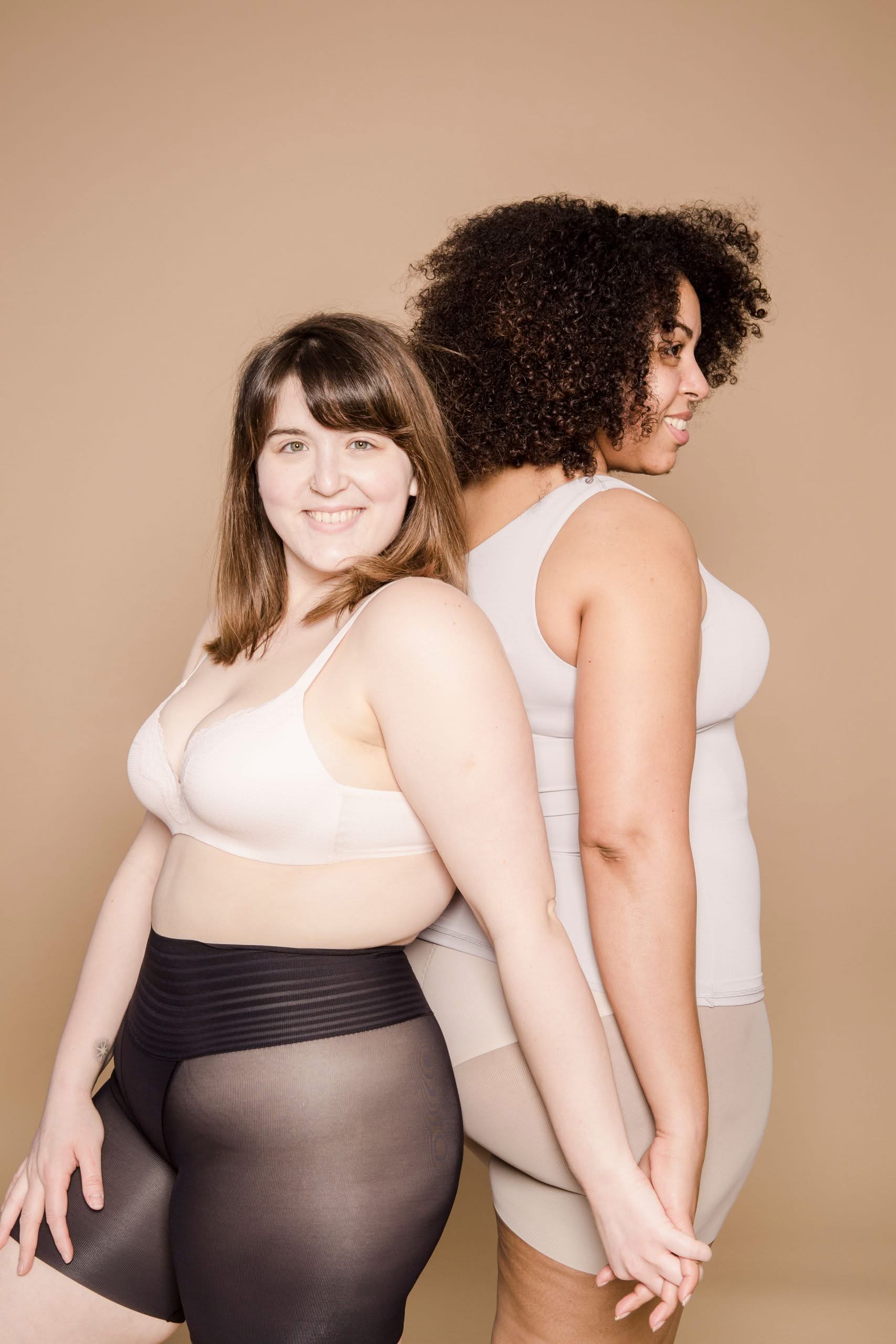
Popular options include high-waisted briefs for abdomen control, bodysuits for full torso shaping, and capri shapers for thighs. These compression garments smooth and contour under clothing.
Choosing the right type depends on your needs, like tummy control or butt lifting. High-waisted shapewear targets the midsection, while boyshorts focus on the buttocks.
Brands like Spanx offer options for shapewear for women in various sizes.
Waist trainers provide firm midsection compression for a slim waist look. Pair them with everyday outfits for a figure-flattering silhouette.
Always select based on coverage and comfort for all-day wear.
Postpartum shapewear and plus-size options ensure inclusivity. Look for breathable fabrics, such as nylon-spandex blends, to avoid discomfort.
Proper fit enhances the smoothing effect without restriction.
Key Categories and Styles
Shapewear is categorized by coverage area, with types like bodysuits offering full torso control. Other styles target hips, thighs, or buttocks for targeted compression.
Select based on your outfit and desired silhouette enhancement.
This comparison table outlines the main types, their focus areas, and ideal uses. It helps compare compression levels from light support to firm control.
| Type | Coverage Area | Compression Level | Best For | Example Brand |
|---|---|---|---|---|
| High-waisted briefs | Abdomen and hips | Medium | Tummy control, muffin top reduction | Spanx |
| Bodysuit | Full torso | Firm | Bridal shapewear, hourglass figure | SKIMS |
| Capri shaper | Thighs and buttocks | Light-Medium | Toned thighs, hip contouring | Maidenform |
| Waist trainer | Midsection | Firm | Slim waist, back smoothing | Spanx |
| Boyshorts | Buttocks and lower abdomen | Medium | Butt lifting, love handles control | SKIMS |
Use this guide for shapewear sizing. Try high-waisted shorts under dresses for smooth lines. Experts recommend seamless shapewear with laser-cut edges for invisibility under clothes.
Materials and Construction
Modern shapewear uses nylon/spandex blends with 360-degree stretch, while laser-cut edges eliminate seams.
These features make seamless shapewear nearly invisible under clothing. They provide a smooth, figure-flattering silhouette without bulk.
Nylon and spandex dominate as the primary materials in body shapers and compression garments. Nylon offers durability, while spandex delivers the stretch needed for contouring.
This blend ensures tummy control and back smoothing in items like high-waisted shapewear or full bodysuits.
Construction techniques like zoned support target areas such as the waist, thighs, and bust. Laser-cut edges prevent digging and are ideal for all-day wear in women’s or men’s shapewear.
Proper materials enhance comfort and the slimming effect.
| Material | Key Benefits | Best For |
|---|---|---|
| Nylon/Spandex | High stretch, breathable, moisture-wicking | Everyday slimming underwear, Spanx-style bodysuits |
| Neoprene | Strong compression, heat retention | Waist trainers, athletic shapewear |
| Latex | Intense firm compression, thermal effect | Corsets, postpartum shapewear |
DuPont fiber specifications guide nylon/spandex quality in accordance with ASTM textile standards.
Choose based on needs, like breathable fabric for longline bras or durable options for plus-size shapewear.
Always check shapewear care labels for machine-washable durability.
Benefits of Wearing Shapewear
Shapewear offers practical contouring benefits that enhance your natural shape under clothing. Users often notice a smoother silhouette with items like high-waisted shapewear or full bodysuits.
These body shapers provide targeted compression for a flattering look.
Research suggests shapewear improves posture and confidence during all-day wear.
Tummy control panels flatten the stomach, while back smoothing reduces bulges. Brands like Spanx and SKIMS popularize this foundation wear for everyday outfits.
Experts recommend choosing breathable fabric options with spandex blends for comfort.
Medium control shapewear suits most needs, offering firm compression without restriction. Postpartum or plus-size shapewear provides inclusive support.
Many report a confidence boost from the slimming effect. Pair seamless shapewear with fitted dresses to enhance your hourglass figure.
Proper sizing ensures durable, machine-washable pieces last longer.
Physical and Aesthetic Advantages
Shapewear delivers contouring effects through compression garments like waist trainers and shaping shorts.
These create a smoothing effect on the midsection and thighs. Users experience a more defined silhouette right away.
Firm compression targets areas such as the abdomen and hips to reduce muffin tops. High-waisted options lift the bust and tone thighs with zoned support.
Bodysuits offer full coverage for figure-flattering results.
- Flattens the stomach with tummy control panels for a slim waist.
- Smooths love handles and back rolls with ergonomic design.
- Lifts the bustline using built-in support in longline bras.
- Tone thighs and contour hips in boyshorts shapers or capri styles.
- Improves posture with thoracic panels in full-body designs.
- Enhances overall silhouette under tight clothing with laser-cut edges.
Practical examples include wearing bridal shapewear for a seamless wedding gown fit or postpartum pieces for recovery support.
Men’s shapewear provides similar toning for dress shirts. Always select light support for beginners to build comfort.
Potential Drawbacks and Risks
Wearing shapewear for more than 8 hours daily can increase intra-abdominal pressure, potentially leading to acid reflux, though a proper fit often helps prevent most issues.
This risk relates to how compression garments, such as waist trainers or high-waisted shapewear, work by applying firm pressure around the midsection.
Experts recommend checking the FDA guidelines on compression levels to stay safe.
Digestive compression is a common concern with tummy-control pieces such as bodysuits or shaping shorts.
Breathable mesh panels in seamless shapewear allow better airflow and reduce strain on the stomach. Choose nylon spandex blends for all-day wear to minimize discomfort.
Circulation restriction may occur with very tight control-top or full-bodysuit styles. Limit wear time and opt for medium control or light support options to promote blood flow.
The FDA advises against excessive pressure in foundation wear for prolonged periods.
Skin irritation and over-reliance pose additional risks with body shapers.
Alternate days to prevent muscle weakening, and select moisture-wicking fabrics like those in Spanx or SKIMS for sensitive skin. Following a shapewear sizing guide ensures zoned support without harm.
How to Choose the Right Shapewear
_3.jpeg)
Select shapewear 1 size smaller than street clothes using the average of your hip and waist measurements.
Many wearers choose the wrong size, leading to issues such as rolling or bulging. This common mistake happens because shapewear sizing differs from regular clothing.
Start by following clear steps to find the perfect fit for your body shaper or compression garment. Accurate measurements ensure a smoothing effect without discomfort.
Experts recommend treating shapewear as specialized foundation wear.
Brands vary in sizing, so check specifics for options like Spanx or SKIMS. A good fit provides tummy control and figure-flattering results. Test for all-day comfort to avoid adjustments.
Use the steps below, along with sizing charts, for women’s or men’s shapewear.
This approach helps achieve a slim waist and enhanced silhouette. Proper choice boosts confidence with invisible shapewear.
Sizing Chart
| Measurements (Waist/Hips in inches) | Size | Common Mistakes |
|---|---|---|
| 24-27 / 34-37 | XS | Choosing a regular clothing size leads to slipping |
| 28-31 / 38-41 | S | Ignoring hip measurement causes muffin top |
| 32-35 / 42-45 | M | Skipping ease allowance results in bulging |
| 36-39 / 46-49 | L | Not testing mobility restricts movement |
| 40-43 / 50-53 | XL | Overlooking seams shows under clothes |
Steps to Select Shapewear
- Measure your relaxed waist and hips with a tape, snug but not tight. Use these numbers as your base for shapewear sizes, such as S-M-L-XL.
- Add 2 inches of ease for medium compression in items like high-waisted shapewear or bodysuits. This allows breathable comfort in nylon shapewear or spandex blends.
- Test squat mobility to ensure the shaping shorts or full bodysuit moves with you. Check for firm compression without pinching during daily wear.
- Inspect for seam visibility under fitted outfits. Opt for seamless shapewear with laser-cut edges for a smooth look.
Brand Size Variance
| Brand | Sizing Tendency | Tip |
|---|---|---|
| Spanx | Runs small | Size up for tummy control bodysuits |
| SKIMS | True-to-size | Ideal for plus-size shapewear |
| Maidenform | Slightly large | Good for postpartum shapewear |
| Miraclesuit | True-to-size | Perfect for bridal shapewear |
Consult shapewear reviews for these shapewear brands. Spanx offers strong back smoothing, while SKIMS provides butt lifting in breathable fabric.
Match to your needs, like love handles control or toned thighs.
Care and Maintenance Tips
Shapewear lasts 6-12 months with proper care. Machine washing on a delicate cycle with a mesh bag preserves elasticity better than hand washing, according to a Textile Care study.
Follow these steps to keep your body shaper in top condition.
Proper shapewear care extends the lifespan of compression garments, such as high-waisted shapewear or full bodysuits.
Neglect can lead to stretched fabric and a loss of smoothing effect. Always check care labels first for specific advice on your spandex blend pieces.
- Machine wash cold, max 30 degreesC, on delicate cycle to protect moisture-wicking properties.
- Use a mesh laundry bag to prevent snags and maintain the seamless edges of shapewear.
- Air-dry flat to retain shape and avoid shrinkage in tummy-control panels.
- Avoid fabric softener, as it blocks wicking and reduces breathable fabric performance.
- Rotate at least 3 pieces for daily wear, giving each a rest to recover elasticity.
- Store flat in a cool, dry place, away from direct sunlight to prevent material breakdown.
- Replace after 100 wears or at signs of pilling, especially in high-compression zones.
These habits ensure your waist trainer or shaping shorts provide consistent contouring and silhouette enhancement.
For plus-size shapewear or postpartum styles, extra gentleness preserves zoned support.
| Compression Level | Estimated Lifespan |
|---|---|
| Light support (control top, boyshorts shaper) | 9-12 months |
| Medium control (mid-thigh shaper, back smoothing) | 8-10 months |
| Firm compression (full bodysuit, longline bra) | 6-9 months |
Frequently Asked Questions
What is Shapewear?
_4.jpeg)
Shapewear is a type of undergarment designed to temporarily alter and enhance the body’s shape by providing compression and support to specific areas, such as the midsection, thighs, and buttocks.
It smooths out lumps and bumps for a sleeker silhouette under clothing and is commonly used for everyday wear or special occasions.
How does Shapewear work?
Shapewear works by applying gentle, targeted compression using stretchy fabrics like nylon and spandex. This holds in areas prone to bulging, lifts and supports curves, and improves posture, creating a more streamlined and confident appearance without restricting movement when properly sized.
What are the benefits of wearing Shapewear?
The benefits of Shapewear include instant body contouring, boosted confidence from a smoother look, improved posture, and enhanced outfit fit. It’s versatile for all body types, offering comfort during long wear and a non-invasive way to achieve a desired shape for events or daily use.
What materials are used in Shapewear?
Shapewear is typically made from breathable, stretchy materials such as nylon, spandex (elastane), polyester, and sometimes cotton blends for added comfort. These fabrics provide firm yet flexible compression, moisture-wicking properties, and durability for repeated wear and washing.
How do I choose the right size of Shapewear?
To choose the right size of Shapewear, measure your body at the bust, waist, hips, and thighs with a tape measure, then compare your measurements to the brand’s size chart. Opt for a snug but not painful fit; too tight causes discomfort, while too loose offers no shaping. Consider the compression level: light for daily wear, firm for maximum effect.
Is Shapewear suitable for everyday wear?
Yes, Shapewear is suitable for everyday wear, especially lighter compression styles that prioritize comfort and breathability. It’s great for smoothing under work clothes or jeans, but take breaks to avoid skin irritation, and select seamless options to prevent visible lines for all-day confidence.