How Much Support Do Unlined Bras Provide and How Do You Choose the Right One?
Key Takeaways
- Unlined bras use fabric, seams, and structure for support and provide a natural shape. They are lighter, more breathable, and just plain comfortable to wear all day long when it is hot.
- Support can be powerful without padding if the underband is tight, the fabric is strong, and the straps are adjusted properly. Seek out wider bands, multi-part cups, and minimal-stretch straps to maximize lift and support.
- Review key features by style to find your best fit. Evaluate the underband, fabric reinforcement, seam placement, strap width and adjustability, and cup design with side panels or inner slings.
- Fit trumps cup sizes for steady support. Measure your underbust for a true band, validate cup volume with no gaping or spillage, and select cup shapes that work for your breast shape and fullness.
- Create a mini unlined bra wardrobe for various occasions. Choose from sleek basics, chic special occasion pieces, and moisture-wicking support for your toughest workouts.
- Whenever possible, look at the unseen engineering to get a feel for quality and durability as well. Power mesh panels, multi-part cups and reinforced stitching enhance support, shape and comfort over time.
About how much support do unlined bras give? For most women, support is provided by a snug band, strategically placed seams and reliable straps, not thick padding.
Seek out double-layer cups, power mesh and side slings for lift and shape. Full-coverage and balconette bras in unlined styles can support soft tissue and post-pregnancy.
To pick well, think about sister sizes, strap width and fabrics that combine breathability with form.
What Is An Unlined Bra?
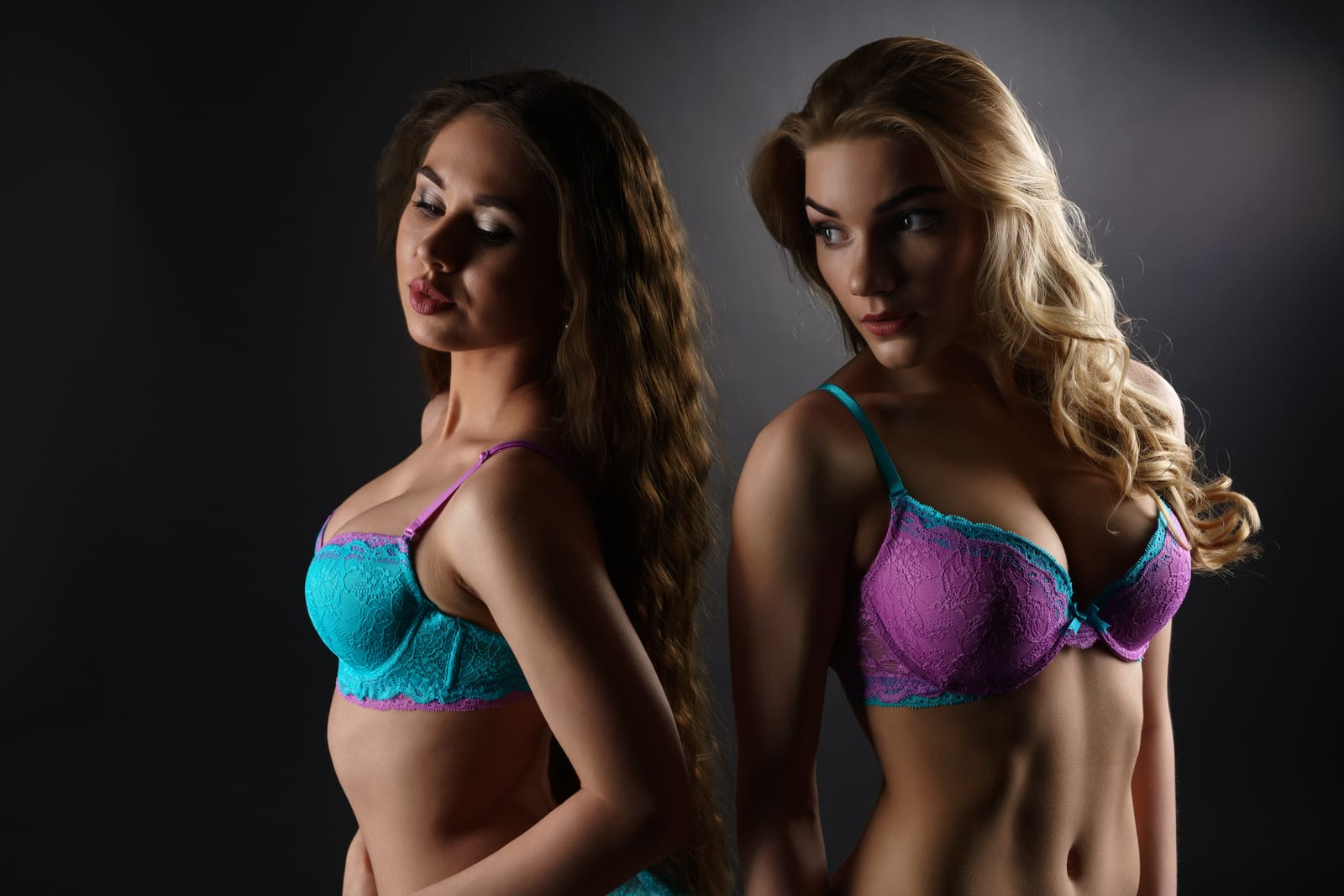
What’s an unlined bra? This bra style provides support and shape through its fabric and seams, resulting in a seamless look that is airy, breathable, and naturally flattering under clothes.
The Definition
Unlined bras utilize one or more layers of fabric, usually lace, mesh, embroidery, or lightweight blends, to construct the cup. Some are whisper-thin, and others fold over fabric for added stability without bulk.
No molded domes, no padded inserts. What you get is fabric designed to support, not to stuff.
Support comes from the fabric’s firmness, cup seaming like vertical or three-part seams, and the frame: band tension, underwire shape, and strap placement. Design is more important than thickness.
Sheerness is graded by fabric. Mesh and fine lace can be semi-sheer, while lined lace or opaque microfiber reads modest and sleek under a blouse.
The Difference
Compared with lined or padded bras, unlined cups eschew foam layers and molded shapes. This eliminates padding on the cup and usually enhances breathability, something we all enjoy in the summer or during marathon work sessions.
They reveal your natural form more than molded or push-up versions. Anticipate less rounding and more of your signature silhouette. If you appreciate a soft, natural shape beneath a T-shirt or silk blouse in the mix, that’s a bonus.
No extra bulk is one of the big differences. Unlined bras have the benefit that without padding, clothes can drape closer to the body, making fitted shirts and structured dresses lay crisp.
They’re lighter and cooler overall. For travel, exercise walks, or menopause heat sensitivities, that breathable feel can be a silent game changer.
The Misconception
The prevailing myth is that unlined bras cannot support. In fact, support comes from the band, which is anchored tightly around the rib cage, cup construction, and strap design. Padding does not lift; structure lifts.
A good unlined bra can actually lift and shape. Seek out firmer fabrics, reinforced seams, or three-part cups. Side slings can center tissue, while a tall, stable band reduces bounce for everyday wear.
They’re not just for the little chested. Full-bust unlined styles employ stronger meshes, wider wings and well-placed seams to provide solid support.
If nipple coverage is a sticking point, opt for denser lace, double-layered mesh, or pair with thin nipple covers. You still maintain breathability but gain modesty.
Comfort and flexibility are tangible benefits. Many of us find an unlined bra more accommodating to our monthly or age-related size fluctuations and it gives us a smooth appearance under clothes with less pronounced edge lines.
In the end, lined versus unlined is just personal preference. Experiment with both in a few fabrics to discover what suits your body, climate, and wardrobe.
How Much Support Do Unlined Bras Give?

Unlined bras can provide ample support when the internal construction is correct. Support is brand, style, and fabric dependent, but fundamentals—underband, fabric, seams, straps, and cup design—do the heavy lifting. Some wearers love the light, almost-there feel with no additional weight or warmth, and others prefer a little more coverage.
Fit is non-negotiable: if one part fails, overall support suffers.
- Support features to compare: underband firmness and width, fabric stretch and layering, seam direction and cup-piece count, strap width, elasticity, and padding, cup coverage, depth, and internal support panels.
1. The Underband
The underband supports the majority of the weight, so consider it your base. It should lay flat and straight around the ribcage, not ride up, and feel snug without pinching. If you can just slide two fingers under it, the tension is generally perfect.
A wider band (about 3 to 5 cm) can add additional stability, particularly for larger busts or more fleshy tissue. Search for firm elastic, secure hook and eye closures, and power mesh wings for excellent anchoring.
If the band feels loose on the tightest hooks, size down in the band and up in the cup to maintain the cup volume.
2. The Fabric
Stronger, low-stretch fabrics lift even better. Non-stretch or limited-stretch cups of woven lace, rigid mesh, or simplex offer more control than ultra-stretch knits.
Double-layered or reinforced zones provide structure without padding. Microfiber can be a second skin, sleek beneath clothes and when bonded or through-lined in strategic zones, surprisingly supportive.
Before buying, press and tug the cup. If it rebounds slowly and feels firm, expect more support. On scorching days, a breeze of lightweight mesh or unlined lace cools down heat and bulk.
3. The Seams
Vertical seams help promote lift, while horizontal seams provide projection and rounding. Most unlined bras feature two to three part cups, which provide weight and shape distribution, avoiding downward drag in the larger sizes.
Smart seam placement, particularly a vertical one through the lower cup, can increase lift without padding. Look for close stitching and reinforcement at stress points.
Neat, tight seams generally wear longer and retain shape after washing.
4. The Straps
Wide, adjustable straps distribute the weight without digging, which alleviates shoulder tension. Low-stretch straps ground the jiggle better than very stretchy ones, especially with larger weights.
Try adjusters for grip. If they slip, you lose support by noon. Padded straps provide comfort for heavier busts, while racerback options can focus lift for narrow shoulders.
5. The Cup Design
Full-coverage cups will support more than demi or plunge styles because they contain tissue and minimize bounce. Multi-part cups sculpt and lift. Side panels or inner slings provide forward support and definition.
Check cup depth and height. Deeper cups flatter projected shapes, while shallower ones can provide room for wide-set or shallow breasts.
Unlined styles define natural shape and remain airy, with zero additional heaviness or constriction, which is excellent for hot weather. Breast size and shape come into play. Some will feel fully supported, while others may still prefer lined options.
Always double-check that you’re wearing the right size because a wrong fit ruins any design.
Why Choose An Unlined Bra?
What’s so special about an unlined bra? The allure is in the breathability, featherlight feel, and effortless complement to daily ensembles from tees to blouses while providing effective support when properly sized and fitted, making it a staple for various body types.
Natural Shape
Unlined bras highlight your natural breast shape since they avoid foam and thick lining. This creates a natural looking, understated silhouette that doesn’t add any bulk or alter proportions. If you’re the type who enjoys seeing your natural shape, this is the easy way to go.
They’re great under fitted tops where a clean line counts. Smooth, thin fabrics can be left unlined for a seamless appearance under clothes with no edge show-through. If nipple peeking is an issue, opt for double-knit lace styles, lined mesh at the apex or wear with nipple covers. You still maintain the unlined, natural shape without all of the bulk.
Fit is more important here than with padding. A snug band, centered straps, and a cup that cups the root of the breast prevent gaping and provide even support.
Breathable Comfort
Airflow is the huge victory. With less fabric and zero padding, unlined cups reduce heat buildup and sweat, aiding in hot climates, crowded commutes, or extended work days. They’re a summer and sensitive skin favorite.
Lighter fabrics like cotton, breathable mesh, or fine lace restrict friction and overheating. Most of us wear them around the house and every day because they’re soft and unrestricting, but supportive enough when the band is snug, which is two fingers under the band, parallel to the floor.
To maintain breathability but get added discretion, seek out bras with denser lace motifs, spacer-mesh linings at the nipple, or simply add thin, reusable covers on hectic days.
Lighter Feel
Unlined bras are generally lighter than lined styles, so they’re easier to forget you’re wearing. That lighter construction translates to less shoulder and back pressure, especially when the band does the majority of the work and straps are tuned to lift, not dig.
They pack small, so they’re travel practical. One or two can span work, casual, and evening wear. Motion just feels easy and unencumbered and makes it so much easier to wear all day.
Versatility is strong: a smooth unlined T-shirt bra under knits, a lace balconette under a button-down, or a sheer plunge for V-neck dresses. The trade-off is coverage. Nipple visibility can occur because there’s only one layer of fabric, so when you need it, plan for style details like darts or lace overlays or accessories.
Without padding to fill gaps, accurate sizing is important. If the band or cup is a little loose, sister sizes offer optimum support.
Find Your Ideal Unlined Bra
Unlined bras can provide constant, daily support when the fit, material, and construction align with your physique and lifestyle. The goal is balanced comfort and shape: a secure band, cups that mirror your natural contour, and details that work for your lifestyle.
A quick checklist helps: snug underbust measurement, cups that contain tissue without cutting in or gaping, straps that stabilize without digging, fabrics suited to climate and skin, and construction (seams, side panels, wing height) aligned with your support needs.
Unlined styles—wireless, lace, mesh, or microfiber—give you a natural look, a seamless silhouette under your clothes, and all-day wear that never feels confining. Since most of us wear the wrong size, experiment with several sizes and styles until you discover the confident, barely-there sensation.
Your Breast Shape
- Round: Even fullness. Most unlined styles work. Balconette or three-part cups hold their round shape even without padding.
- Teardrop (bottom-full): Needs vertical seams or side support to lift from the base.
- Top‑full: Consider higher cup edges or stretch lace to prevent cutting in.
- Side-set: Side panels or inward-pulling straps center tissue and define shape.
- Close-set: Lower gores reduce pressure. Plunge cuts sidestep sternum pain.
- Asymmetric: Stretch cups or removable cookies balance size differences.
- Shallow/wide‑root: Wider underwires and low‑profile cups prevent wrinkling.
- Projected/narrow‑root: Deeper cups and firm vertical seams contain projection.
Certain designs, like an unlined underwire bra, can refine features. Side support wings minimize east-west, while vertical seams add lift, and stretch lace eases minor size fluctuations. Matching cup architecture to your bust shape enhances support and provides a sleek, natural silhouette under thin tops.
Your Band Size
The band does the majority of support, so measuring correctly is key. Take your underbust measurement, not too tight with the tape level and a close fit. Select the band that sits level around your body and does not ride up.
If the band moves or you have to tighten straps too much, it’s too loose and general support decreases. Begin on the loosest hook to leave some wiggle room once the elastic settles.
A level, firm band combines with soft straps to provide comfortable support.
Your Cup Volume
Measure to prevent spilling or gaping and then try on for coverage by raising your arms and leaning forward. Choose cup styles for your fullness pattern: stretch lace for top-full or asymmetry and three-part seams for bottom-full lift.
Higher volumes usually flourish with reinforced seams, wider straps, and higher wings for light containment. Experiment with sister sizes and multiple cuts to arrive at the optimal coverage and ease trade-off.
Your Lifestyle
THE UNLINED BRAS TO MATCH YOUR DAY For long or active days, opt for supportive wireless styles with stable wings and breathable microfiber or cotton. They remain comfortable all day and minimize lines.
For work or formal attire, cotton or microfiber smooth nylon unlined seamless cups produce a crisp shape beneath fine materials. For special occasions, lace or delicate mesh feels elegant and they require gentle care to preserve elasticity and shape.
Various fabrics alter comfort and lifespan, so sample a few to find what suits you. When it fits, the natural feel lets you strut your confidence and stay comfortable in your own skin!
The Unlined Bra Wardrobe
Unlined bras apply a single or dual layer of fabric, lace or embroidery to provide shape without padding. They emphasize your innate shape and many of us dig the airy, close to skin sensation that holds up through fit, seaming and fabric strength.
Build a small, flexible lineup that balances comfort and support across daily life:
- Soft full-cup unlined bras for everyday structure;
- Smooth T-shirt-friendly unlined styles;
- Lace balconettes for lift and lower necklines;
- Plunge cuts for deep V outfits;
- Unlined sports bras with stabilizing features;
- Bralettes for gentle, lounge-ready support;
- Side-support or seamed cups center and shape.
Add some solid neutrals and a few fashion colors. Mix support levels so you’re covered from desk to dinner. Alternate bras every wear and give them a 24 to 48 hour rest to increase longevity.
Everyday Wear
Comfort every day means fit first. Up to 8 out of 10 women have the wrong size, which diminishes support and comfort particularly in unlined bras. A right band that is snug, level, and sits at the mid-back does most of the work, while straps provide lift.
If you have softer, fuller tissue or post-pregnancy, you tend to gravitate towards full-cup or side-support seamed styles for reliable ‘stay put’ support without added bulk. Opt for rugged, easy-care fabrics such as microfiber or mesh blends.
These retain shape after multiple washes and air-dry super fast. Lace can be comfy if it’s lined at stress points. These neutral tones—beige, taupe, brown, soft olive, or charcoal—simply vanish under light shirts on most skin tones.
A smooth-cup or seamless unlined style prevents show-through lines under T-shirts and maintains a natural silhouette. Note that unlined bras may not conceal nipples as well; thin nipple covers are a simple fix.
Special Occasions
For occasions, sophisticated lace or embroidery decorates without cushioning. Search for soft, flat lace that lies smooth under satins and silks. Plunge or balconette cuts flatter low, square necklines and seamed cups can lend secret support to form-fitting frocks.
Because the fabrics are sheer, match your bra to the outfit color or go for a near-skin neutral. A few unlined bras employ firmer mesh, powernet wings and seaming to provide discreet and consistent support underneath eveningwear.
Active Moments
Unlined sports bras or hybrid designs with stabilizing frames minimize bounce without foam. Choose moisture-wicking fabrics to deal with sweat while working out, walking, or on travel days. Seek out wide, padded straps, strong elastic, and a snug band for support.
Racerback styles enhance support and weight distribution. Breathable mesh zones keep you cooler, and the unpadded build dries quickly after intense efforts. In short, material matters: lace, microfiber, and mesh each feel different.
For some shapes—projected, even, or shallow—unlined can be a first pick for comfort, while others opt for the added coverage of lined styles. Rotate, rest, and wash gently to maintain support.
The Unseen Engineering
Unlined bras eschew foam and padding, utilizing single or double layers of fabric, lace or embroidery to provide support. The construction, including fabrics, prints, and embroidery, does the real work of both comfort and shaping. It influences the way a bra reads underneath your clothing.
| Feature | What it is | Why it matters | What to check |
|---|---|---|---|
| Fabric base | Lace, cotton, microfiber | Touch, breathability, stretch recovery | Hand-feel, weight, two-layer zones |
| Frame & band | Wings, cradle, U-back | Anchors lift, stabilizes movement | Width, elastic quality, powermesh |
| Cup architecture | Single vs multi-part | Shape, projection, separation | Seams, sling presence, cup depth |
| Straps | Width, elasticity, placement | Load distribution, comfort | Front adjusters, stretch rebound |
| Stitching | Reinforced, flatlock, bartacks | Durability, smooth feel | Even tension, thread weight |
Inspect the inside: clean finishing, flat seams, and reinforced stress points signal quality. Engineering decisions impact not just all-day comfort, less weight and heat, but the silhouette you see in a tee or blouse.
Power Mesh
Power mesh is a sturdy, flexible knit that delivers solid stretch in control zones. It stabilizes bands and wings without bulk, which comes in handy on those hot days when you want breathability and zero additional weight!
Look for power mesh panels in high-stress areas: side wings, the center cradle, and sometimes an inner sling. After all, these placements keep the cup anchored so the fabric (lace or microfiber) can shape, not strain.
It adds durability and fit stability as you age, if your size shifts. They vary in placement between brands — some incorporate the double-layer mesh at the wings, while others extend it into a tall U-back for additional distribution on fuller busts.
Multi-Part Cups
Multi-part cups employ multiple pieces of fabric to manage shape. Vertical seams add lift from the base. Horizontal or diagonal seams form projection and a rounded profile without foam.
Seams do the work: they lift, center, and separate, reducing that one-piece “mono” look. For fuller busts or softer tissue, these cups provide dependable engineering with a natural shape that still registers smooth under light knits.
A lot of styles incorporate inner slings or side support panels, which direct tissue forward. You’ll find unlined styles in cotton for comfort, lace for glamour, and microfiber for a sumptuous touch, featuring hues that can act as a chic base layer under semi-sheer blouses.
Strategic Stitching
Extra-strong stitching — bartacks at strap joins, denser zigzags along the band — fortifies stress points without making a bra stiff. Fancy stitching can pull double duty, discreetly supporting lace edges so the cup maintains form.
Inspect stitch patterns for consistent tension and thread weight matched to fabric. Uneven lines can indicate premature stretching. Opt for flat, smooth seams for comfort and a cleaner look under tees.
If nipple coverage is important, choose denser lace or a double-layer cup. If not, enjoy the lighter, cooler sensation and how unlined silhouettes accentuate the natural shape.
Conclusion
Unlined bras can provide genuine support when the fit, fabric, and construction suit your body. Anticipate lift from well-placed seams, a stable band, and wider straps. Seek out stretch that moves with you, not against you. For softer tissue or size fluctuations, look for multi-part cups, side support, and a firm band that sits level. Want a natural shape with light coverage? Unlined styles shine in this arena without bulk.
To gain confidence in your fit, begin with precise measurements, experiment with sister sizes, and pay attention to the band and cups once you’ve worn the bra for a few hours. Mix up styles for different outfits and activities. Who says comfort, shape, and support can’t coexist? The right unlined bra demonstrates it, time and again.
Frequently Asked Questions
Do unlined bras provide real support?
Yes. Support is provided by the band, cup pattern, seams, and strap placement — not foam. A good-fitting unlined underwire bra can lift, shape, and center your bust. Seek out multi-part cups, reinforced fabrics, and a tight band to maximize support.
Are unlined bras good for larger busts?
They can be fabulous, especially when choosing styles like an underwire bra with seamed cups, sturdy construction, wider straps, and firm bands. Fit is what matters most; a professional fitting ensures you find the right bra for comfort and support.
What makes an unlined bra supportive?
Engineering, not padding, is key. The band anchors while cup seams contour. Unlined bras offer comfort and a certain amount of lift. Strap width spreads weight, and fabric tension eliminates bounce, providing solid support without volume.
Will an unlined bra show nipples more?
A lot, yes. There’s no foam layer in unlined bras, which can offer comfort. Lace, lined lace, or denser mesh can lessen show-through, while reusable nipple covers provide extra support for a seamless look.
Are unlined bras comfortable for everyday wear?
Almost always, unlined bras offer comfort as they’re light, breathable, and flexible. The right bra fit, fabric quality, and strap design are essential; if the band is snug and the cups encapsulate well, you’ll enjoy support all day.
How should I fit an unlined bra for best support?
Begin with a band that’s firm and sits level. Cups should envelop tissue completely, without any gaps or spills, ensuring the right fit for your bust shape. Check for gore tacking and strap tension to support your styling preferences. Scoop and swoop to find the perfect bra, testing various cup shapes to suit your breast root and fullness.
What types of unlined bras offer the most lift?
Seek out three or four part seamed cups, side slings, and sturdy underwire bras. Full cup or balconette bra styles with firm mesh or good quality lace tend to lift best, while a supportive band and wider straps enhance comfort.