5 Signs You’re Wearing the Wrong Bra Size (And How to Find Your Perfect Fit)
Key Takeaways
- Discover five key fit indicators for band, cups, straps, underwire, and center gore fit to identify spillage, gaping, riding bands, wire poking, and floating gores. Use the mirror test and the two-finger rule to verify support without discomfort.
- Pay attention to some less obvious warning signs like posture shifts, skin irritation, and incessant adjusting during the day. Swap out any bra that distracts you or leaves marks. Opt for breathable fabrics that work with your skin.
- Use bra size as a guideline, not gospel, since brand sizing, styles, and breast shapes all differ substantially. Experiment with various sizes and cuts, then maintain a personal database of brands and styles that fit you perfectly.
- Anticipate body changes from weight fluctuations, hormones, or life stages and check back on your fit often. Maintain a mini rotation with stretchier or other styles to get through fluctuations comfortably.
- Use helpful fit techniques such as scoop and swoop, movement tests, and the two-finger rule each time you try or wear a bra. Strive for a tightly level band, secure but soft straps, and cups that scoop all tissue with no spillover or empty space.
- Go to a professional fitter if you have chronic pain, size questions, or post-surgery needs. Use in-store or virtual fittings to create a supportive, comfortable lingerie drawer that fits your life.
5 signs you’re wearing the wrong bra size: too big or too small refers to common fit issues that indicate your bra no longer supports your body well. I’m talking slipping straps, gaping cups, band riding up, spillage, or wire poking.
As you age, gain or lose weight, or deal with hormonal changes, your breast shape and volume change, making old sizes no longer effective. To help make everyday wear more comfortable and flattering, the meat of the post breaks down each sign and provides easy fixes, including sister sizes and style hacks.
The 5 Telltale Signs of a Bad Fit
A proper fitting bra should be snug, lie flat beneath your clothing, and give you support without discomfort. These common red flags include daily discomfort, leaks or gaping, frequent readjusting, and worn-out materials. Ignoring them results in shoulder strain, skin irritation, and posture problems.
Quick checklist: 1) Band rides up, 2) Cup spillage or wrinkling, 3) Slipping or digging straps, 4) Poking underwire, 5) Floating center gore.
1. The Band
The band is the base. If it rides up your back, the band is too big or the elastic is worn. On the bands, try to fasten on the loosest hook when new. If you need the tightest hook right off, downsize the band or replace the bra.
The band should rest level around your ribcage, snug but ventilated, with no pinching or irritation following a typical day. Do the mirror test: lift your arms and twist side to side. If the band shifts, gaps, or requires constant readjusting, support isn’t there.
Discolored, faded, or stretched out elastic means the fabric is breaking down and won’t give you stable support. It is time to ditch it.
2. The Cups
Spillage at the top or sides (the “double boob” effect) signals cups are too small, especially in T-shirts or soft knits. Empty space, gaping, or wrinkling points to cups that are too big or the wrong shape for your breast root and fullness.
Cups must envelop tissue completely. There should be no spilling over at the neckline or under the arm. If you observe side bulge, verify both cup volume and band size. Stretched-out cups that appear rippled or loose won’t support or contain motion.
Fit tip: Breast shape changes with age, weight, pregnancy, or hormonal shifts. If size or shape shifts, re-fit, sample sister sizes, or try stretch lace or molded edges.
3. The Straps
Straps that slip off shoulders are either too loose, the band is oversize, or the cup style doesn’t suit sloping shoulders. Tighten just enough to stay put without digging or red marks.
If they still drop, attempt J‑hook clips, cross‑back, or racerback styles. Don’t tighten straps to force lift. Most support should come from the band, not the straps.
Constant strap fiddling is a fit fail. Think about a smaller band, an alternate cup shape, or wider-set straps for support.
4. The Underwire
Underwire that pokes, pinches or sits on breast tissue indicates the cup is too small or the wire shape is incorrect. The wire should lay flat on the sternum, hug the breast crease and stop before your underarm tissue.
If a wire floats, digs or has warped, swap out the bra. Metal fatigue and broken channels cause pain and bad support. For wire pain, opt for wire-free designs with strong underbands and molded cups.
5. The Center Gore
The center gore should lie flat on your sternum to ensure even separation. If it floats, the cups are probably too small or the band is too loose.
Close-set breasts or very projected shapes should have a lower or narrow gore. When the gore fits, weight is distributed evenly, which reduces spillage and pressure.
If the gore never tacks and comfort is lousy, change size or switch to plunge, balcony, or stretch-cup designs.
Beyond the Obvious Discomforts
The wrong size bra shows up in quiet ways: posture changes, skin flare-ups, or a steady drop in focus and confidence due to improper breast support. These subtle signs can be easy to overlook, but they accumulate. Track patterns over a week; if the same issues persist, your right bra size needs a second look.
Posture Problems
Hunched shoulders or a slight slouch frequently begin with insufficient support. When cups are too small, breast weight shifts forward. When the band is too loose, straps overwork. Either way, they both drag your shoulders down and beckon that neck tension.
Women with larger breasts experience this acutely, as bad distribution stresses upper back muscles all day long. Experience those late-afternoon bruised-spleen aches around the neck base or between the shoulder blades. If you experience relief the moment you unhook the band, it probably fits wrong.
A good bra distributes weight over the band, not just the straps, and stabilizes your bust so your spine does not have to perform the heavy lifting. Deal with it upfront. Experiment with a tighter band, full-coverage cups that encapsulate tissue without spillage, or wider straps.
If the asymmetry makes things more difficult, think removable cookies to even out the sides. In the long run, your muscles and mood will thank you.
Skin Irritation
Red stain marks that wear off quickly are fine, but deep grooves, chafing, and rashes are not. Pressure lines underneath the band or at the wire root indicate a band that’s too tight or a wrong size bra that doesn’t fit properly. Underwires that dig usually indicate that the wire is resting on tissue rather than the ribcage, further highlighting the importance of finding the right bra size.
Many women complain of chafing in sports bras, particularly near the underbust and underarms. This typically stems from a band that rides up or wearing a wrong size sports bra, which can trap sweat and cause seams to chafe during movement.
Good materials go a long way. Seek out soft linings, dry-fit blends and brushed elastics. Make sure you hand wash at 30 degrees in a mesh bag. This helps keep them soft and less starchy, which can rub skin the wrong way.
If you’re facing heat or humidity, focus on quick-dry fabrics and flat seams for better support and comfort, especially when selecting different breast support garments for your needs.
Daily Annoyance
| Annoyance | Likely Cause | Fix That Helps |
|---|---|---|
| Constant strap slipping | Band too loose, wide-set straps | Tighter band, closer-set or adjustable straps |
| Band riding up | Band too big | Go down in band, sister size cups |
| Visible quad-boob or side spill | Cups too small/narrow | Larger cup, wider wire, full coverage |
| Underwire poking | Cup too small or wire too narrow | Size up cup, try wire-free or flexible wire |
| Bra shifting during workouts | Poor anchor or fabric | High-support sports bra, encapsulation style |
Common attention thieves: If you’re fidgeting every 60 minutes, the bra sucks. Ditch the repeat offender for a second-skin feeling style, encapsulation sports bras for active minds, unlined stretch cups for asymmetry or balconettes for short torsos.
The mission is silent assistance you overlook. A bad fit doesn’t just chafe skin, it chips away at confidence. Any sort of spillage, bulging, or flattening makes your shirt hang weird and it messes with your zeitgeist.
Select styles that correspond to your breast root and fullness. Comfort steers posture, skin, and presence.
Why Your “Size” Isn’t Enough
Knowing your size is a starting line, not the finish. Up to 80% of women wear the wrong size, which shows how labels miss nuance. Brands, materials, and construction vary. A 70C does not equal a 100C in volume, so cup letters alone mislead.
True fit means checking shape, wire placement, band tension, and comfort in motion. Use size charts for orientation, then assess in the mirror: no gaping at the center front, no top-edge cutting, and no red marks after hours. If you’re adjusting straps, scooping bulges back in, or noticing chafing, which is common with sports bras, the labeled size isn’t working.
A well-fitted bra should feel like a second skin.
Breast Shape
Breast shape and volume distribution are what determine whether a bra works. Full-on-top, full-on-bottom, shallow, projected, wide-set, and close-set shapes all confront cup geometry in an individual manner. If you’re shallow and tall, open cups often gape.
Half-cups or shallow t-shirt cups sit smoother. Projected shapes tumble out of shallow cups and thrive with deeper, narrower wires. Underwire has to contain all tissue – even the side fullness. If the wire sits on breast tissue or that center gore floats, then sizing or shape is off.
Most of us have a 1 to 2 cup difference between breasts, fit to the larger side and then use removable padding or some small insert on the smaller side. Consider style tests as information. Try three sizes around your range and note what changes.
Does a smaller band stabilize the gore, or do sloped shoulders need a different strap placement?
Brand Sizing
- UK brands that fit me: 70E to 70F (Panache), 70F (Freya), 70F (Fantasie)
- EU brands that fit me: 70E (Chantelle), 70F (PrimaDonna)
- US brands that fit me: 32DDD–32G (Wacoal), 32F (Natori)
Test 2 to 3 neighboring sizes in the same brand. Fabrics stretch, wires vary, and cup depth changes from model to model. UK double letters, EU number-letter minus doubles, and US a combination convert then try on body.
Maintain a private list like the one above for quicker, more intelligent shopping.
Bra Style
- Everyday T-shirt: Smooth cups, moderate coverage, seamless under thin tops.
- Balconette/half-cup: uplift for full-on-bottom, open neckline.
- Plunge: close-set or projected shapes, flexible gore for lower necklines.
- Unlined/mesh: lighter feel, molds to natural shape.
- Sports: encapsulation for high impact, compression for low to moderate.
- Wireless: comfort days. Select stiff bands and high sides for support.
Structured, unlined and sports bras all fit differently even at the same size. Match style to activity: high-impact training needs encapsulation to curb bounce and chafing. Desk days may welcome breathable unlined cups.
Switch up styles for wear, sweat, and hormones. If a bra pinches, rides up, or gaps, it’s feedback, not failure, so tweak size, style, or brand.
Your Body’s Constant Changes

Bodies change over time, and bra fit ought to change with them. Size and support can fluctuate with weight, hormones, age, pregnancy, postpartum recovery, or medical treatment. Up to 80% of women are wearing the wrong size at any given time, often because they’re comparing fit to an outdated ‘ideal.’
Embracing change, monitoring for emerging pressure points, and planning regular fittings keeps comfort and alignment on track. Refresh your drawer as your needs shift, and consider replacements pragmatic self-care, not a disappointment.
Weight Shifts
Even a 2 to 3 kg change is enough to change band tension and cup volume. If the band rides up your back, the cups wrinkle or straps dig despite tightening, your last size is probably no longer accurate. Notice where weight changed.
More back tissue may call for a firmer 70 to 75 band. Volume loss after training might need a smaller cup or a contour style to restore shape under tees. Rotate sizes if your weight fluctuates with the seasons.
Maintain a “lean” and a “full” fit—say 70D and its sister 75C—so you’re covered without 24/7 pinching. Muscle gain from chest or back workouts matters, as a slightly bigger band with the same cup can keep breathing room.
Swap stretched out bras after major swings. If a previously supportive bra now closes on the tightest hook and still shifts, the elastic is gone. A new band in the right size will balance weight and relieve shoulder tension.
Hormonal Cycles
Hormones can add temporary volume and tenderness during your menstrual cycle, pregnancy, breastfeeding, or menopause. Swelling can be subtle or a whole cup size change. If wire edges press near the underarm just a few weeks, that’s a hormone-related fit tip, not a bad bra.
Reserve spots with forgiving fabrics—stretch lace, spacer foam, or molded wireless styles—to flex with mid-cycle shifts. A soft, wider band distributes pressure when you’re sore.
These changes are typical and frequently temporary. Rotate bras by feel: a lightly lined balconette when volume is stable, a stretch-cup plunge when fuller, and a sports bra with encapsulation on tender days to limit motion without compression pain.
Life Stages
Puberty, pregnancy, postpartum and menopause can reshape tissue and support needs even more dramatically than monthly fluctuations. It’s not unusual to need a different size at each. Breasts can swell up like balloons and feel hot or tender during pregnancy and nursing.
Flexible nursing bras with multi-hook columns and drop down cups minimize friction and accommodate engorgement. Once you’re postpartum, volume will deflate unevenly and asymmetry will be more evident.
Pick stretch cups or removable cookies to even out sides without pushing for symmetry. As your body changes with age or menopause and tissue softens or sits lower, a firm but soft band, wider straps and cups with side support lift without harsh wires.
Post-surgery or treatments, opt for front closures, seamless linings or pocketed bras. Reassess fit after every milestone to fend off back pain, strap grooves, and skin irritation. Never be afraid to experiment with sister sizes or new silhouettes as your body shifts what feels “just right” in the moment.
How to Find Your Perfect Fit

Begin with precise measurements for the right size bra, then validate fit in the mirror and on the move. Try different styles and bra models, and take notes so future bra shopping is more swift and intelligent.
Self-Assessment
Construct a mini-checklist for your desk drawer. Cups that lie flat without gaping, a front band that sits level around your torso, and straps that stay put without digging.
It should feel like a second skin, supportive but easy to forget. Now test comfort day to day. If you see red marks, sense pinching or can’t stop adjusting straps, the size or style is wrong.
Notice when discomfort arrives after a meeting, on a walk, or at your desk so you can align fixes to real life. Add common fit flags: quad-boob or cup overflow, gaping, underwire sitting on breast tissue, band riding up, center gore not tacking, straps slipping.
Trust your body’s feedback. If it feels off, it is.
The Two-Finger Rule
Slide two fingers underneath the back band. It should be tight, not too tight, with consistent pressure as you shift and inhale. If the band rides up, go down a band size and adjust cup size via sister sizing.
Test the straps in the same manner. Two fingers should slip in and the strap should bounce back without squeezing. Excessive strap tightening is usually an indication that your band is loose or your cups are too big, not ‘slippery shoulders’.
Apply this rule every day to decide whether to tighten, loosen, or try a different size.
The Scoop and Swoop
Lean forward, slip your hand inside each cup and gather all tissue from the side and underneath into the cup. Nestle the wire or cup edge in your breast crease and stand up tall.
It captures migrated tissue and exposes real cup volume. If you notice side bulge or the cup cuts in after scooping, go up in cup volume. Remember, cup volume changes with band size: a C with band 70 has less volume than a C with band 100.
For asymmetry, which is typical for most women, fit the larger breast and apply a removable pad or adjuster on the smaller side. Repeat the scoop and swoop each time you wear a bra.
Test Movements
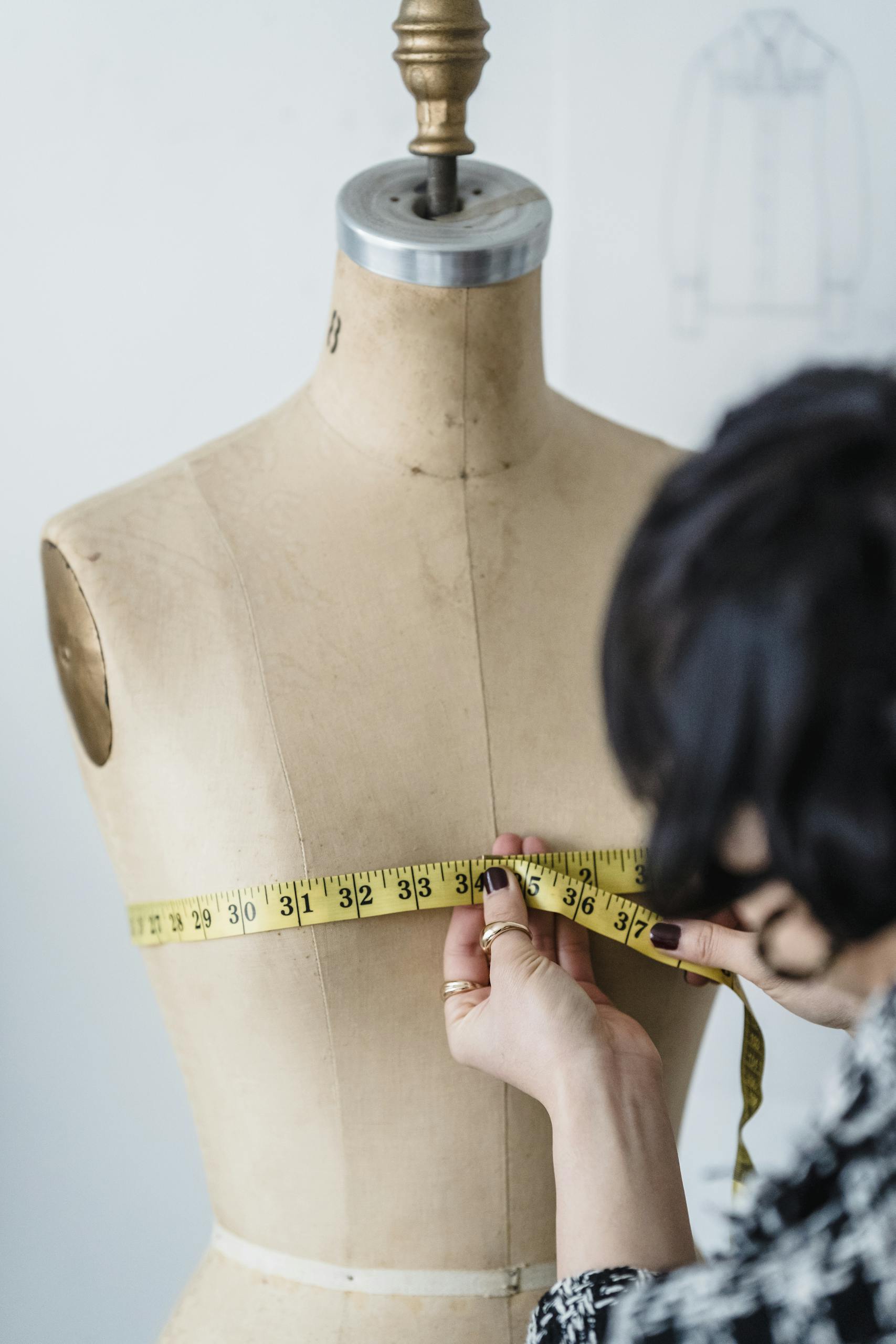
Measure first: underbust (snug, rounded to nearest whole number) gives band. Bust at nipple level provides cup by the difference. Try sister sizes if necessary: go one up or down in band and one over in letter in the opposite direction.
Swing your arms, bend, twist, and powerwalk. Look out for gaping, shifting, rolling or a center gore lifting. Daily tasks don’t lie.
Swap out styles that don’t pass the movement test for bands that anchor, cups that contain, and straps that stabilize without strain.
When to Seek a Professional
Now professional fit support comes in handy when breast pain lingers, sizing gets murky, or life changes alter your shape. In-store or virtual, professional guidance saves time and replaces guesswork with a plan you can actually wear — from daily t-shirt bras to the right size bra for sports and post-surgical needs.
Persistent Pain
Persistent breast, shoulder, neck, or back pain indicates a bad fit, often due to wearing the wrong size bra rather than your body being ‘difficult.’ Deep strap dents, red marks around the ribcage, and underwire poking are signs that your bra isn’t providing the right support. Pain should never be a normal experience when wearing a bra.
Trade in straw men for firm, supportive choices in the right bra size and cup size. A stiffer band, nice and close but not constricting, shoulders the majority of the support, ensuring the bra straps don’t over-exert themselves. For instance, going from a loose 80D to a well-fitted 75E can stabilize tissue without digging, providing the perfect size for your needs.
After any switch, monitor how you feel over a full day—walking, sitting, lifting a tote. If tenderness persists, consult a fitter. Minor adjustments, such as shorter straps or a different underwire curve, usually resolve the issue.
Sizing Confusion
If your size varies from brand to style, enter backup. Arrive with a quick list: previous sizes, what rode up, where it gaped, and which fabrics itched. This context accelerates precise suggestions.
Inquire about sister sizes to maintain cup volume and modify the band. For example, if 75F is a stretch in the band, go for 80E, which has the same volume and more breathing room. Hard to find sizes tend to love balcony or plunge shapes that shift support around.
Leverage the appointment to get band-and-cup combos, wire width and cup depth clarified. Test three per style: your guess, one up, one down, and see which best provides movement, lift and smoothness under a thin top.
When shopping online, use brand-specific fit quizzes or virtual fittings. Send front and side photos in a snug tee if that’s provided and comfortable.
Post-Surgical Needs
After surgery—augmentation, reduction, mastectomy, or lumpectomy—choose bras built for healing: soft, wireless, breathable, and often front-closure for minimal arm strain. Seek out smooth linings, wide bands that disperse pressure, and pockets if you wear a prosthesis.
Comfort and tender support take first place. Opt for moisture-wicking fabrics and seamless or ‘comfort welt’ seams. A high-coverage, compressive style can minimize swelling in the first few weeks. Then shift to a contour or spacer cup as the sensitivity subsides.
Look for fitters that have experience with post-surgical patients. They can recommend medical-grade options and timing for transitioning back into regular bras. Swap out basic underwire styles for the more specialized kind until your care team gives you the greenlight. Scar tissue and swelling require special attention.
Conclusion
Getting a great bra isn’t a once and done thing. Bodies shift, brands run small, and everyday comfort relies on support that really fits your form. If you’re dealing with slipping straps, band riding up, gaping or spillage, wire poking, or back and shoulder aches, you’re experiencing a size or style mismatch. Measuring at home provides a good baseline, but size is just one piece of the puzzle. Fabric, cup shape, band firmness, and strap placement all matter just as much.
To stay safe and cozy, recheck fit every 6 to 12 months, experiment with sister sizes, and sample a few styles for various looks and energies. When in doubt, a professional fitting can save time and guesswork. You deserve support that moves with your body today and tomorrow.
Frequently Asked Questions
How do I know if my bra is too small?
Look for deep red marks, quad-boob spillage, and a band riding up as signs of a wrong size bra. Straps digging in or cups cutting across tissue indicate an incorrect bra fit, especially if you exhale and still feel compressed.
What are signs my bra is too big?
Gapping cups, a band that rides up, or bra straps constantly slipping are telltale signs of wearing the wrong size bra. If the center gore doesn’t lie flat or you can pull the band more than 7 to 8 centimeters, it’s probably too big.
How often should I get remeasured?
Each 6 to 12 months, or after weight fluctuations, pregnancy, nursing, or surgery, it’s crucial to remeasure for the right size bra. If your bra feels different, even if it’s ‘new,’ it may indicate an incorrect bra fit. Bodies change, and your bra size should follow this reality.
Why does the band matter more than the straps?
The band provides around 80% of your support; if it’s loose, the bra straps overwork and dig in. A tight, even band secures the right size bra, increases breast support, and alleviates shoulder burden.
Can different styles fit differently in the same size?
Yes. Cup shapes, materials, and wire widths differ, so a 34D in a plunge might fit differently than in a balconette. When bra shopping, be sure to try a few different styles and sister sizes to ensure the right size bra for your breast size.
What is “sister sizing,” and when should I use it?
Sister sizes adjust both the band and cup size together. For instance, a 32D is roughly equivalent to a 34C and 36B. To achieve the right fit when only one measurement is incorrect, consider going up a band or down a cup size for the perfect size.
When should I see a professional fitter?
If you have trouble with breast pain, asymmetrical breasts, or hard-to-fit sizes, consider seeking help if your current bra does not fit properly or you’re in between bra sizes. A trained fitter offers valuable tips.